


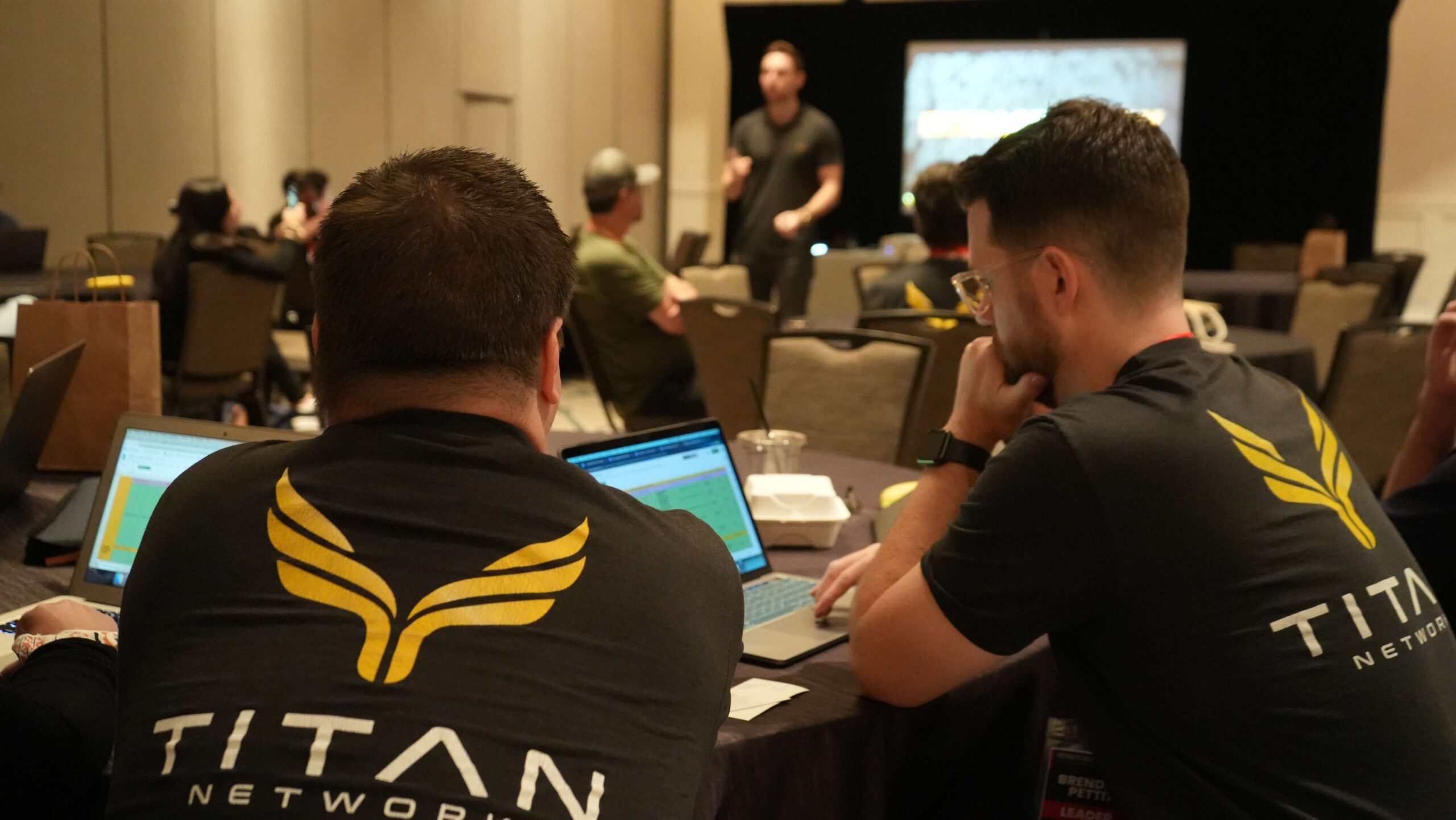
Seller communities vs solo coaching for Amazon growth?
Seller communities vs solo coaching for Amazon growth? The best choice for an established seller is usually not either-or. A strong operator community gives you peer context and ongoing execution support; targeted coaching gives you focused help with a specific constraint. Pairing the two can shorten decision cycles without making one coach the only source of judgment.
Key Takeaways
- Established sellers often see the fastest growth by combining peer communities with targeted coaching rather than choosing one over the other.
- A peer community gives you ongoing execution support and context from operators facing similar margin, inventory, and PPC decisions.
- Coaching works best when it targets one specific constraint, such as a broken reorder cycle or a stalled ad account, instead of becoming your single source of judgment.
- Pairing both formats shortens decision cycles, which directly protects contribution margin by reducing the cost of slow or poorly informed calls.
That distinction matters when Amazon account changes, inventory decisions, and channel expansion compete for the same leadership time. Amazon remains a core Titan channel, now positioned as The Cash Register. The new direction keeps Amazon important but no longer the only focus. Titan’s The Cash Register: Amazon reflects that role inside a broader operating system.
Seller Communities vs Solo Coaching: The Short Answer (and Why It’s a False Choice)
What a seller community actually is (and what it isn’t)
A seller community is a structured network where operators compare decisions, ask questions, and learn from peers facing similar constraints. It is not automatically a vetted mastermind, a coach, or a substitute for doing the work. Quality depends on who participates, how discussions are facilitated, and whether members can bring real operating problems, such as margin pressure, ad efficiency, stock coverage, or a Seller Central change that disrupts a workflow.
What solo coaching actually is
Solo coaching is direct, recurring time with one advisor focused on your business. It can help when the problem is narrow and consequential: a channel launch, a stalled growth plan, or a decision that needs experienced review. The trade-off is concentration risk. Your progress depends on the coach’s fit, availability, and understanding of your model. Coaching does not create a peer bench or a standing stream of operator perspectives by itself.
The 30-second verdict for serious 7-figure sellers
If the team needs perspective across multiple operating issues, start with a credible community. If you have a defined skill gap and need close guidance, add coaching. Titan Network’s 700+ vetted operators and weekly execution rooms are built around peer access and action; its collective sales reach is in the billions. The Cash Register: Amazon keeps marketplace execution in view while Titan’s broader direction connects Amazon with Shopify, TikTok Shop, product sourcing, and AI discovery. The aim is better decisions that compound across channels, not more calls.
How We Evaluated Community and Coaching Options for 7-8 Figure Sellers

Selection criteria: cost transparency, operator access, accountability, and channel breadth
We compared models by the operating conditions a larger seller needs: clear pricing, access to people with relevant experience, a mechanism to turn advice into action, and useful perspective beyond one Amazon tactic. Titan Network’s 700+ vetted operator network offers a practical reference point: participation should connect sellers with peers who understand inventory, cash flow, paid acquisition, marketplace operations, and the demands of scaling a team. The network’s collective sales reach is reported in the billions, though that figure describes members collectively, not a promised outcome for any individual.
- Cost transparency: Can you see the entry price and understand what the fee covers?
- Operator access: Are participants experienced sellers, relevant specialists, or an unfiltered audience?
- Accountability: Is there a repeatable path from discussion to an owner, next step, and follow-up?
- Channel breadth: Does the advice account for Amazon alongside Shopify, TikTok Shop, sourcing, and AI-driven discovery?
What we ruled out and why (course-only programs, open FB groups with no vetting)
A course can teach a framework, but recorded lessons alone do not provide feedback on your current numbers or force a decision. Open Facebook groups and forums can surface useful answers, yet uneven experience and limited accountability make them a weak primary operating system for a complex business. These formats may support learning or quick research; they are not equivalent to vetted peer access or direct coaching. Choose a format that addresses your constraint, not a large content library you may never use.
Top Picks: The Full Spectrum From Open Communities to 1:1 Coaching, Ranked
Prices vary with access, duration, and program structure. The ranges below reflect the supplied market research, not fixed quotes from every provider. Compare the service model and time demands alongside the fee.
| Model | Typical cost | Access and structure | Best fit |
|---|---|---|---|
| Titan Network membership | Titan Genesis starts at $997 | Operator network, weekly execution rooms, community, and coaching access | Owners who need ongoing peer context and execution support |
| Vetting-first mastermind | $5,000 to $25,000+ per year | Small peer group, often 8 to 15 high-revenue sellers; mentor access varies | Experienced operators seeking senior-level peer review |
| Group coaching cohort | $2,000 to $10,000 per cohort | Structured curriculum with group sessions and peer contact | Teams with a defined learning goal and set timeline |
| Solo 1:1 coaching retainer | Focused advisor time and direct accountability | A business facing a specific, urgent constraint | |
| Open communities | Free to low cost | Broad discussion, variable expertise, limited accountability | Early research or occasional troubleshooting |
#1. Titan Network membership ($997 entry) – community + weekly execution rooms + coaching in one system
Best for: established sellers who want operator access and a recurring place to work through decisions, rather than isolated advice. Titan combines community, weekly execution rooms, and coaching within one system. Amazon stays central through The Cash Register: Amazon, while the wider operating direction includes other channels. Questions can move from peer discussion into an execution room instead of ending as another saved post.
#2. Vetting-first paid masterminds ($5K-$25K/yr) – peer depth, higher barrier to entry
Best for: high-revenue owners who need candid discussion with a small group operating at a similar level. Masterminds typically bring 8 to 15 sellers together to review hiring, cash allocation, supply planning, and growth choices. Value depends on member fit and facilitation, so confirm who attends and how often mentors participate before committing.
Pros
- Small-group discussion can provide relevant peer context.
- Higher entry cost may support stronger participant screening.
Cons
- Annual fees can exceed $25,000 with direct mentor access.
- Peer fit and meeting quality vary by program.
#3. Group coaching cohorts ($2K-$10K per cohort) – structured curriculum with peer touchpoints
Best for: sellers who want a defined learning path and scheduled accountability without a full private retainer. Cohorts can help implement a specific operating skill, but check whether examples match your revenue stage and sessions leave room for your team’s actual constraints. A fixed program may be less suitable when the main issue shifts week to week.
#4. Solo 1:1 coaching retainers ($1.5K-$10K/mo) – depth and accountability, single point of failure
Best for: operators with a clear problem that warrants regular, private attention. Individual coaching offers direct feedback and can keep a decision moving. Its limits are the monthly commitment and reliance on one person’s expertise and availability. Before signing, define the target outcome, meeting cadence, access between sessions, and how progress will be assessed.
#5. Open communities (Facebook groups, Discord, forums) – free to cheap, high noise
Best for: sellers looking for quick background research or informal opinions. Open groups cost little, but posts may mix outdated advice with unverified claims, and replies rarely come with accountability. Treat them as a discovery channel, then validate consequential decisions against your account data and qualified operating advice.
The Opportunity Cost Math Nobody Runs
Support has a visible price tag; the time it consumes has one too. That does not make every call a bad investment. Test whether the session changes a decision, removes a bottleneck, or prevents an expensive mistake. Keep discussion tied to a live operating issue, then leave with an owner and next action.
A $10M seller’s hour is worth more than a $500/hr retainer
Hourly opportunity cost is not the same as cash income. It compares leadership time with work that could move the business forward. If a founder spends an hour in a session, ask whether it produced a decision the team can execute, such as changing reorder timing or reallocating ad spend. The Cash Register: Amazon keeps marketplace operations in scope, while the broader Titan system can connect that work to other channels. Support earns its place through useful decisions, not attendance alone.
| Support model | Primary value | Time-cost question |
|---|---|---|
| Peer community | Multiple operator perspectives on recurring issues | Does each session produce a decision or useful peer connection? |
| Solo coach | Focused attention on a defined constraint | Is the advice specific enough to change execution? |
| Hybrid support | Peer context plus targeted guidance | Are the two formats serving distinct needs rather than duplicating calls? |
Case example: breaking the $1M-$3M plateau with peer accountability
A common pattern is a founder who owns every decision, from inventory coverage to campaign changes, while the team waits for direction. Peer accountability can expose that bottleneck: members compare how they assign ownership, review numbers, and follow through. This is an illustrative pattern, not a promised revenue outcome. The useful measure is whether the team moves from discussion to a tracked test with a clear owner.
Dependency risk: what happens when your one coach goes dark
A private advisor can provide depth, but a single point of contact creates continuity risk. If that person becomes unavailable, the business may lose context on active decisions and stall until another source of guidance is found. A peer bench reduces dependence on one calendar and perspective. Titan Network’s 700+ vetted operators offer a broader pool for operational discussion, while The Cash Register: Amazon keeps Amazon execution represented within the wider system. The goal is continuity, not replacing accountable coaching when a specific problem calls for it.
Your Decision Framework by Revenue Stage and Why Hybrid Wins

Choose support based on the constraint slowing execution, not a blanket preference for group access or private advice. A community gives recurring peer perspective; coaching brings focused attention to a defined problem. For operators expanding beyond Amazon, account for how marketplace work connects with Shopify, TikTok Shop, sourcing, and AI discovery. Titan’s The Cash Register: Amazon keeps Amazon execution in view within that broader operating system.
Stage-based picks: under $1M, $1M to $5M, $5M+ and multi-channel
A structured community can provide context and help you avoid decisions based on isolated anecdotes. Add one-on-one help when a specific technical or strategic gap blocks progress.
Use regular operator discussions to identify recurring bottlenecks, then bring a coach in for a high-stakes issue such as inventory planning, margin repair, or team structure. The Cash Register: Amazon remains part of the picture, alongside customer ownership and the operational demands of other sales channels.
Decision questionnaire: time, goals, and budget in 5 questions
- Is the problem recurring across the business, or concentrated in one decision?
- Do you need several operator perspectives or direct feedback from one advisor?
- Who on your team will own the work after each session?
- Can your schedule support calls without displacing higher-value operating work?
- Does the fee fit the budget after accounting for implementation time and the likely business impact?
If the issue is broad and recurring, favor a vetted peer environment. If it is narrow, urgent, and measurable, consider focused coaching. A hybrid makes sense when each format has a separate job, not when both create more meetings without clearer ownership.
Red flags to walk away from in any community or coach
- Guaranteed sales or profit claims without clear evidence and relevant context.
- Unclear pricing, access terms, meeting cadence, or cancellation conditions.
- Advice that ignores your margins, inventory position, team capacity, or channel mix.
- No process for turning recommendations into assigned actions and follow-up.
- Pressure to share sensitive account or financial information without clear safeguards.
Before committing, ask to see the actual session format and clarify what support includes. Titan Network’s 700+ vetted operators and execution rooms offer a peer setting; assess whether that structure fits your operating needs and whether you have a specific coaching requirement to address separately.
Frequently Asked Questions
What is the difference between a seller community and solo coaching?
A seller community gives you repeated access to vetted peers who share operating context, while solo coaching gives you concentrated time with one advisor. The community provides a standing stream of perspectives; coaching provides focused attention on a specific constraint like a channel launch or stalled growth plan.
Which is better for Amazon growth: community or one-on-one coaching?
Neither is universally better; the right choice depends on your current bottleneck. If your team needs perspective across multiple operating issues, a credible community is the stronger start. If you have a defined skill gap needing close guidance, add coaching on top.
How much do seller communities cost compared to solo coaching?
Can a seller community replace a coach?
A seller community can replace a coach for many operating decisions, but not always. Communities give peer context and accountability, yet a narrow, consequential problem may still deserve one advisor’s focused review. Many serious sellers pair both around their current constraint.
What are the pros and cons of solo coaching for ecommerce sellers?
The main pro is concentrated attention: direct, recurring time with an advisor who knows your numbers. The main con is concentration risk, since your progress depends on one coach’s fit, availability, and understanding of your model, with no peer bench behind the advice.
Are free Amazon seller Facebook groups worth joining?
Free Facebook groups are fine for early research or quick troubleshooting, but they make a weak primary operating system for a complex business. Uneven participant experience and limited accountability mean advice rarely turns into an owner, a next step, and follow-up.
What should 7-figure sellers look for when choosing a seller community?
Evaluate four criteria: cost transparency, operator access, accountability, and channel breadth. You want clear pricing, vetted participants who understand inventory, cash flow, and paid acquisition, a repeatable path from discussion to action, and perspective spanning Amazon, Shopify, TikTok Shop, sourcing, and AI discovery.
Keep readingRead inside the Titan community →