


Roundup: The 10 Best Masterminds for 7-Figure Ecommerce Brands (2026)
For a 7-figure ecommerce operator, the right peer room should match your channels, operating stage, and execution needs. Not just promise access to other founders. This Roundup: The 10 Best Masterminds for 7-Figure Ecommerce Brands (2026) applies the same five checks to each option and flags details that need direct verification.
Key Takeaways
- The right mastermind for a 7-figure brand depends on matching the room to your current channels and operating stage, not on founder count or brand hype.
- Every option in this roundup is evaluated against the same five checks, so you can compare them on execution value rather than marketing promises.
- Each listing flags the details that require direct verification with the provider before you commit membership fees.
- Peer rooms that map to a five-channel operating system compound faster than groups built around a single platform like Amazon.
- The real return on a mastermind comes from speed of execution and cross-channel decisions, not from access alone.
Available research does not verify current prices, entry floors, or meeting schedules for most programs. This comparison marks those details as unverified rather than guessing. Build a shortlist, then confirm terms with each provider before paying.
The 10 Best Masterminds for 7-Figure Ecommerce Brands (2026)
Why this list is different from the recycled roundups
Many roundups repeat familiar names without showing how groups differ or which claims they checked. Each option here is assessed against the same fields, and missing public details remain visibly unverified.
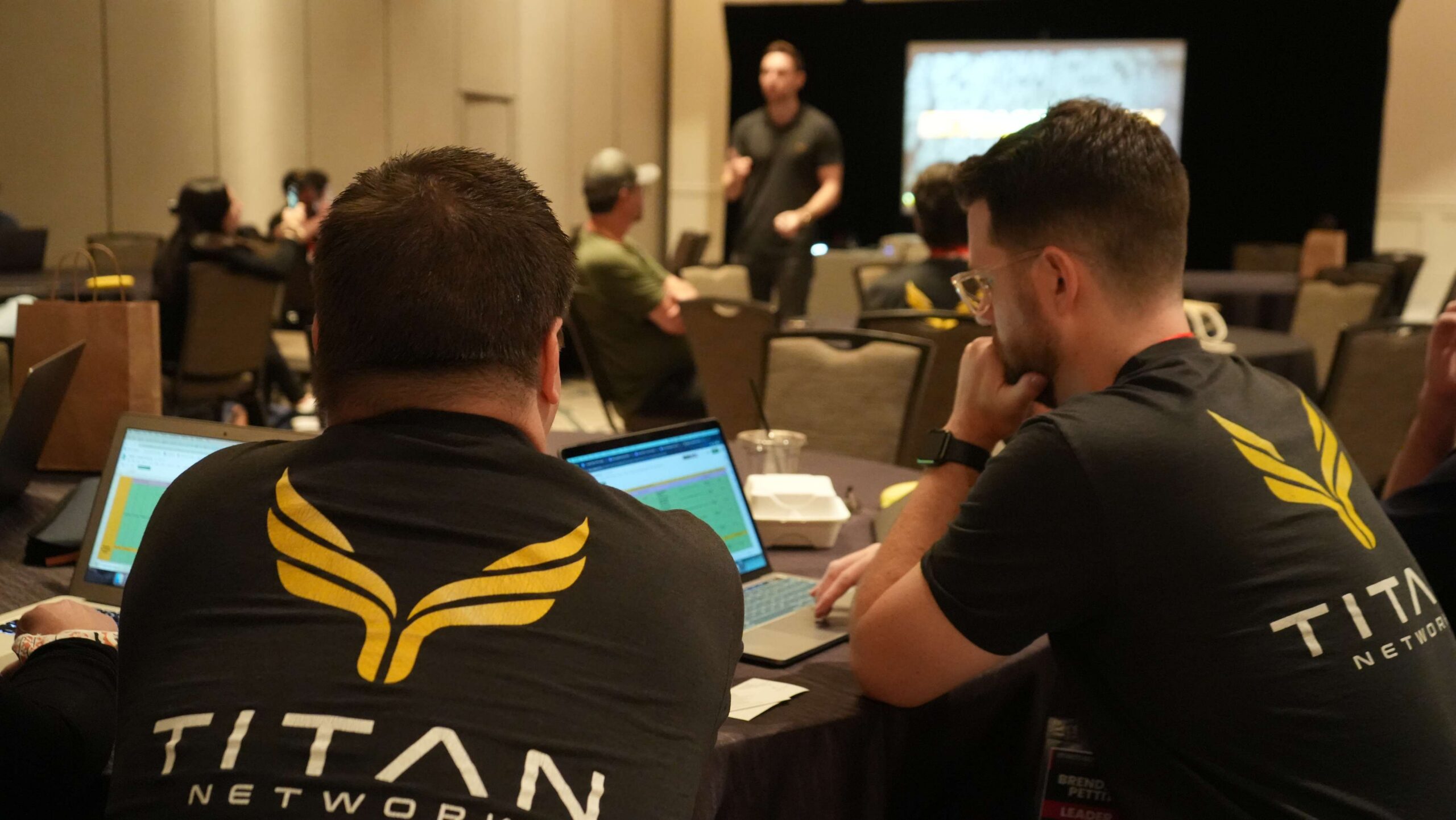
Titan Network’s positioning spans Product/Foundation, TikTok Shop, AI and AEO, Amazon, and Shopify, with membership, weekly execution rooms, coaching, Titan AI, and a vetted network of 700+ operators. The brand describes its network as behind billions in sales. These are supplied brand facts, not a guarantee of member outcomes.
How we evaluated every room: the five-field test
The five fields are price, revenue floor, channel coverage, meeting cadence, and verifiable proof. Price means a published fee or a note to verify it. Revenue floor means a stated eligibility threshold, not an assumed fit based on a program name. Channel coverage distinguishes Amazon, direct-to-consumer (DTC), TikTok Shop, Shopify, and retail.
Cadence covers scheduled virtual sessions, in-person retreats, coaching, or asynchronous discussion. Proof means a public, attributable source or an explicit note that the supplied research could not confirm it. Lean Scaling via MDS reports that a 12-month mastermind commonly costs $20,000 to $50,000 or more, with some programs reaching $100,000; this is broad market guidance, not a fee for any specific group below.
Quick comparison: all 10 masterminds at a glance
This table screens options; it does not rank measured outcomes. For most entries, research supplied no current price, eligibility floor, or meeting calendar. Ask providers to document those terms and clarify what membership includes before comparing annual cost or expected access.
| Option | Price | Revenue floor | Channel focus | Cadence and proof |
|---|---|---|---|---|
| Titan Network | Verify current pricing | Not stated in supplied research | Product, TikTok Shop, AI/AEO, Amazon, Shopify | Weekly execution rooms; brand reports 700+ vetted operators |
| eCommerceFuel | Verify current pricing | Verify with provider | DTC focus per assigned pick | Schedule and public proof not verified here |
| Collective 212 | Verify current pricing | Verify with provider | Amazon focus per assigned pick | Schedule and public proof not verified here |
| Billion Dollar Sellers | Verify current pricing | Verify with provider | Amazon peer benchmarking per assigned pick | Schedule and public proof not verified here |
| Helium 10 Elite | Verify current pricing | Verify with provider | Amazon tools and community per assigned pick | Schedule and public proof not verified here |
| Brand Growth Experts | Verify current pricing | Verify with provider | Amazon and DTC per assigned pick | Schedule and public proof not verified here |
| Amazing Selling Machine Evolution | Verify current pricing | Verify with provider | Amazon curriculum and community per assigned pick | Schedule and public proof not verified here |
| Ecom Babes Collective | Verify current pricing | Verify with provider | Product-based ecommerce per assigned pick | Schedule and public proof not verified here |
| Independent peer room | Set by members | Set by members | Choose by group | Set meeting rhythm and evidence standards |
| Self-built operator circle | Set by members | No formal floor | Choose by group | Member-managed schedule and proof checks |
The Top Picks, Compared Without the Sales Pitch

The labels describe intended fit in this roundup, not independently measured performance. Confirm current details directly, especially if your decision depends on a revenue threshold, live operator access, or support outside Amazon. Match channel coverage and cadence to the problem your team needs to solve.
1. Titan Network: Best overall for cross-channel execution
Best for: 7- and 8-figure founders coordinating product decisions, marketplace sales, social commerce, AI discovery, and owned-store growth. Titan Network suits founders seeking an operating room spanning Product/Foundation, TikTok Shop, AI and AEO, Amazon, and Shopify.
Price and floor: Verify current pricing; research provided no revenue floor. Cadence and proof: The brand describes weekly execution rooms and a vetted network of 700+ operators behind billions in sales. Who this is not for: Founders seeking an Amazon-only group or passive course without ongoing execution.
2. eCommerceFuel: Best value for established DTC peers
Best for: Operators prioritizing peer discussion with established DTC brands. Consider it if owner-level problem solving matters more than a cross-channel curriculum.
Price and floor: Verify current pricing and eligibility. Coverage and cadence: DTC is the assigned focus; channel breadth and meeting schedule were not verified. Proof: Request current membership criteria and a description of member access. Who this is not for: Founders needing documented TikTok Shop or Amazon execution support.
3. Collective 212: Best for operator-led Amazon scale
Best for: Amazon sellers seeking an operator-centered peer environment, especially when marketplace execution, catalog decisions, and seller perspectives are the priority.
Price and floor: Verify current pricing and entry requirements. Coverage and cadence: Amazon is the assigned focus; schedule and other channel coverage remain unverified. Proof: Ask for public documentation of membership terms and current format. Who this is not for: Brands whose next growth constraint is Shopify retention or cross-channel planning.
4. Billion Dollar Sellers: Best for Amazon peer benchmarking
Best for: Amazon operators comparing decisions and operating practices with marketplace sellers. The value depends on access to relevant operators and candid discussion, not the group name alone.
Price and floor: Verify current pricing and member criteria. Coverage and cadence: Amazon peer benchmarking is the assigned focus; schedule and non-Amazon scope were not verified. Proof: Confirm which membership claims are publicly documented. Who this is not for: Founders seeking a structured, multi-channel execution system.
5. Helium 10 Elite: Best for a tool-anchored Amazon room
Best for: Sellers seeking an Amazon-oriented community connected to a software ecosystem. Check whether its resources and operator access address your bottleneck; tool access alone does not establish strategic counsel.
Price and floor: Verify current pricing and eligibility. Coverage and cadence: The assigned fit is Amazon and tool-linked community; meeting schedule and coverage beyond Amazon are unverified. Proof: Confirm current program terms. Who this is not for: Brands prioritizing retail expansion or broad Shopify and TikTok Shop coordination.
6. Brand Growth Experts: Best for coaching across Amazon and DTC
Best for: Founders seeking coaching across marketplace and direct sales. This may suit a brand managing separate Amazon and Shopify economics if the coaching covers its operating questions.
Price and floor: Verify current pricing and revenue eligibility. Coverage and cadence: Amazon and DTC are the assigned focus; session frequency and retail or TikTok Shop support were not verified. Proof: Request program structure and documented terms. Who this is not for: Teams seeking a specified weekly execution cadence without confirming it is included.
7. Amazing Selling Machine Evolution: Best for structured curriculum
Best for: Operators who value a defined learning path with community access. A curriculum can standardize team understanding, but a 7-figure brand should check that it addresses current constraints rather than basic seller setup.
Price and floor: Verify current pricing and entry criteria. Coverage and cadence: The assigned fit is structured curriculum with community; channel scope and live meeting rhythm are unverified. Proof: Review the current syllabus and access terms. Who this is not for: Experienced teams seeking primarily bespoke peer problem-solving.
8. Ecom Babes Collective: Best for product-based founders scaling from $1M
Best for: Product-based founders scaling beyond the early operating stage. Confirm the member profile so discussion reflects comparable inventory, acquisition, and cash-flow realities.
Price and floor: Verify current pricing and any revenue threshold. Coverage and cadence: Product-based ecommerce is the assigned fit; channel mix and meeting schedule were not verified. Proof: Ask for current program details and documented membership terms. Who this is not for: Founders requiring confirmed Amazon-specific or enterprise retail expertise.
9. Mastermind alternatives: What to do if none fit
Best for: Founders with a narrow need, such as fixing email retention, improving marketplace operations, or testing an acquisition channel. A focused advisor, specialist agency, or short-term working group may fit better than annual peer membership.
Price, floor, and cadence: Verify these with the chosen provider or arrangement. Proof: Ask for scope, deliverables, contactable references, and a clear boundary between advice and execution. Who this is not for: Founders wanting a continuing peer network who can identify a suitable one.
10. Build your own peer room if revenue floors lock you out
Best for: Operators who do not meet a formal entry threshold or want peers with a closely matched business model. Keep the group small enough for operating detail, and set expectations for confidentiality, attendance, and preparation before the first session.
Price and floor: Members set costs and eligibility together. Coverage and cadence: Choose peers across Amazon, DTC, TikTok Shop, Shopify, or retail, then agree on a regular schedule. Proof: Each member can verify their own operating context. Who this is not for: Founders unwilling to recruit peers or maintain the group’s rhythm.
Which Room Fits Your Brand? A Two-Minute Fit Check
Match your current revenue, primary growth constraint, and operating channels. Use these checks to narrow the field before committing time or budget.
Brands between $1M and $3M: rooms with realistic floors
Joining before qualifying may mean rejection, a poor peer match, or pressure to stretch beyond current needs.
Lean Scaling via MDS says many founders consider a mastermind after reaching $250,000 to $500,000 in revenue, with the strongest fit often after seven figures. Treat this as broad guidance, not a universal cutoff. Ask how members are grouped by scale, business model, and stage; choose peers who can discuss comparable inventory commitments, acquisition costs, and cash-flow limits.
Retention before acquisition: what should you fix first?
If loyal customers buy once but prospects leave before checkout, diagnose the customer journey before adding paid traffic. Review product-page conversion, checkout abandonment, repeat-purchase timing, email and SMS flows, and win-back campaigns. Retention work can recover revenue from existing demand; more ad spend before diagnosing drop-off can send visitors into the same leaky funnel.
Ask: “If we paused new acquisition for a month, where would the next revenue gain come from?” If the answer is unclear, prioritize customer research, lifecycle messaging, merchandising, and repeat-order economics. A useful peer room should help identify the bottleneck and assign a concrete test, not just trade channel tactics.
Channel filters: Amazon-only, DTC-only, or the five-channel mix
Choose an Amazon-focused room if marketplace economics. Catalog strategy, advertising, and inventory. Dominate your decisions. Choose a DTC-oriented room if your immediate work centers on Shopify conversion, customer ownership, and retention. Confirm that members have practical experience with the channels you operate.
If your constraint crosses channels, look for discussion connecting Product/Foundation, TikTok Shop, AI and AEO, Amazon, and Shopify. Check whether the room can help coordinate product supply, channel-specific creative, marketplace demand, and owned-customer data without treating each channel as a separate business. Name your bottleneck and ask whether the format gives you regular time to work on it.
How to Vet a Mastermind Before You Pay
A vetting call should produce specifics you can compare, not broad promises. Ask every provider the same questions, record answers, and request written terms when price, eligibility, or access affects your decision. Treat unclear details as unknown.
The 8 questions to ask on every vetting call
Use this checklist to test the format against your bottleneck and the time your team can commit.
- What is the current total price, payment schedule, and renewal policy?
- Is there a revenue floor or another eligibility requirement?
- Which channels and business models are represented among active members?
- How often do members meet, and what happens during each session?
- Can members ask peers or coaches questions between scheduled meetings?
- How are member revenue claims checked, and what does the provider disclose?
- What are the cancellation, refund, and transfer terms?
- What work, preparation, or attendance is expected during the first 90 days?
Request a sample agenda and written description of membership. This distinguishes a weekly working session from occasional calls, a resource library, or informal discussion.
Red flags: recycled content, AI slop, and unverifiable member claims
Be cautious if a provider repeats benefits without explaining who is in the room, how members interact, or the schedule. Generic copy and AI-generated material do not prove a program is poor, but they do not establish peer access or coaching quality.
Ask for sources behind member counts, revenue claims, and success stories. Check whether claims are attributable and current, and whether group figures are distinguished from individual outcomes. Keep unverifiable claims out of your decision model. Watch for pressure to pay before reviewing written terms or speaking with a relevant member.
A simple ROI worksheet: cost, target revenue lift, break-even
Start with first-year cost, including fees, travel, and staff time. Estimate contribution margin on incremental revenue, not gross sales. Divide total cost by that margin to calculate break-even revenue. This is an illustration, not a forecast.
Identify one or two measurable changes the room could help deliver, such as improving repeat purchases or reducing a specific acquisition inefficiency. In the first 90 days, track completed decisions, launched tests, and clear ownership of next steps. Revenue may take longer to connect, so early activity is not a guaranteed return.
Mastermind FAQ: Pricing, Floors, and Fit in 2026

Use these answers as a final screen. Fees, eligibility, and formats can change; confirm current details and rely on documented terms rather than category labels.
What is the best mastermind for a 7-figure ecommerce brand in 2026?
Choose the room matching your channels, operating stage, and immediate constraint. Compare meeting format, member access, price, and proof standards. A good fit should help your team make and execute better decisions, not merely offer a large community.
How much does a 7-figure ecommerce mastermind cost?
Lean Scaling via MDS reports that a 12-month mastermind commonly costs $20,000 to $50,000 or more, with some programs reaching $100,000. This is broad market guidance, not a quote for a provider. Confirm fees and include travel and time costs.
What revenue level do you need before joining?
There is no universal threshold. Lean Scaling via MDS says many founders consider joining after $250,000 to $500,000 in revenue, with strong fit often after seven figures. Check current criteria and whether members face comparable challenges.
Which masterminds cover TikTok Shop and Amazon as well as Shopify DTC?
Do not infer coverage from a name or general ecommerce positioning. Ask whether active members and sessions address each channel and connect product planning, marketplace operations, social commerce, and owned-store growth. Request a current agenda or written scope.
How do I verify a mastermind’s claims myself?
Request written pricing, eligibility rules, meeting cadence, refund terms, and the basis for public member claims. Check that evidence is attributable and relevant to the current program. Mark undocumented details unverified and decide whether that uncertainty is acceptable before paying.
Frequently Asked Questions
What is the difference between this roundup and other mastermind lists?
Roundup: The 10 Best Masterminds for 7-Figure Ecommerce Brands (2026) applies the same five-field test to every option and marks missing details as unverified instead of guessing. Many recycled lists repeat familiar names without showing how groups differ or which claims they actually checked.
Keep readingRead inside the Titan community →