


Recommended groups for Amazon PPC advice?
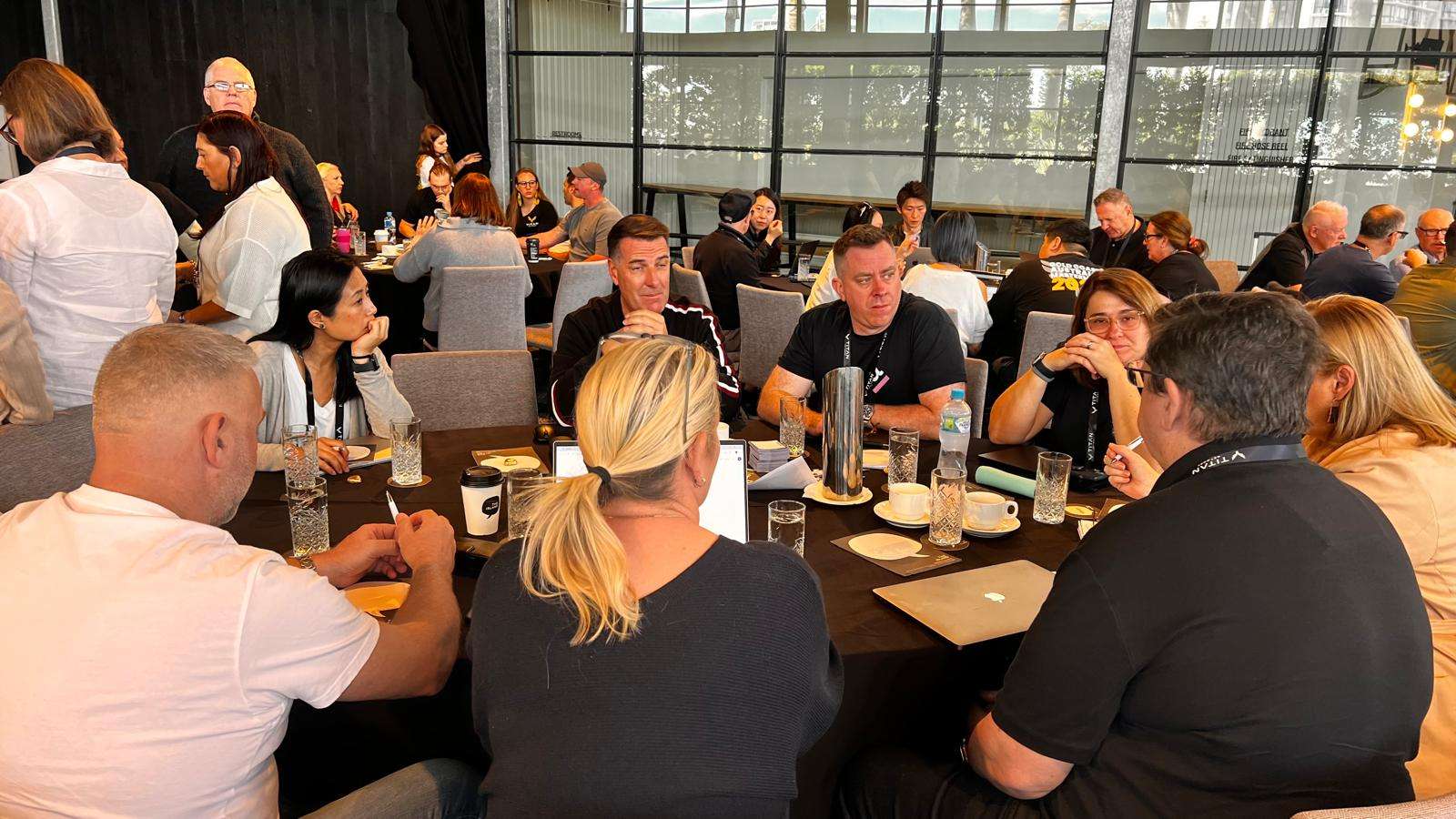
Recommended groups for Amazon PPC advice depend on the signal you need: vetted operator networks for decisions tied to profit and execution, Reddit for fast peer feedback, Facebook for broad seller discussion, and Slack or Discord for focused, real-time exchanges. The right room depends on your brand’s scale, question, and tolerance for noise.
Key Takeaways
- Match the community to the decision at stake: vetted operator networks justify paid membership when the advice connects directly to profit and execution.
- Reddit works best for fast peer feedback on tactical PPC questions, not for long-term strategic input.
- Facebook groups offer breadth but come with significant noise, so filter answers by the track record of the sellers responding.
- Slack and Discord communities deliver real-time exchanges that suit operators running time-sensitive bid and budget calls.
- Your brand’s scale should dictate the room you choose, because advice that helps newer sellers often costs 7 and 8 figure operators margin when applied blindly.
For operators growing beyond Amazon, advice is most useful when it connects bids and search terms to inventory, contribution margin, creative, and customer acquisition across channels. Amazon remains a core Titan channel, now positioned as The Cash Register.
Top Picks at a Glance
- Vetted operator networks: Best for experienced sellers seeking discussion grounded in operating decisions, not isolated bid tips. Titan Network is built around operators and cross-channel execution.
- Reddit: r/AmazonSeller and r/FulfillmentByAmazon offer open, no-cost discussion.
- Facebook: Amazon Sellers Network and the Helium 10 Community are recognizable starting points for broad seller conversation. Membership and moderation can change, so inspect current activity before joining.
- Slack and Discord: Useful when a community has active channels for sponsored ads, keyword research, or account operations. Access, cost, and quality vary by group.
Who This Guide Is For (and Who It Isn’t)
This guide is for sellers who manage campaign structure, search-term reports, ACoS or TACoS, and inventory constraints, and want better peer judgment. It is less useful if you expect a group to replace account analysis or make decisions for you. Titan’s new direction keeps Amazon important but no longer the only focus. The Cash Register: Amazon reflects that role within a broader operating system spanning Product, TikTok Shop, Shopify, and AI discovery.
The Curated List: Top Communities for Amazon PPC Advice (With Pros and Cons)

Member count alone does not measure community quality. Look for current discussion of campaign structure, match types, placement adjustments, search-term harvesting, conversion rate, and margin. The table separates each format’s potential from details that need a live check: membership, access terms, and moderation can change, and reliable public figures are not available for every group.
| Community | Platform and access | Scale and activity | Moderation and useful signal | Trade-off |
|---|---|---|---|---|
| Titan Network | Vetted operator network; access terms should be confirmed directly. | Designed for serious brand operators. Check current programming and participation before joining. | Peer discussion connects Amazon decisions with broader ecommerce execution. | Paid or selective access may not fit sellers seeking only a free tactical answer. |
| r/AmazonSeller and r/FulfillmentByAmazon | Reddit; open and free to read or participate. | Public threads can surface varied experiences and quick feedback. | Advice quality varies, and short posts may lack context. | |
| Amazon Sellers Network and Helium 10 Community | Facebook groups; check each group’s current entry terms. | Broad participation can help with operational questions and seller perspectives. | Large audiences can bring repeated questions, promotion, and uneven expertise. | |
| Slack and Discord communities | Private or invite-based workspaces; cost and eligibility vary. | Activity depends on the specific server and its active members. | Channels can organize PPC, analytics, and account issues. | Some spaces are quiet, hard to discover, or thin on verified operator experience. |
| Podcasts, YouTube channels, and conferences | Mostly public media or ticketed events; check each source. | Content cadence and event schedule vary. | Useful for structured learning, platform updates, and hearing the reasoning behind tactics. | Usually one-to-many, with limited feedback on your account’s specific constraints. |
Titan Network: Vetted Operator Room for 7- and 8-Figure Brands
Titan Network suits founders who need more than a bid adjustment: useful discussion links advertising choices to margin, stock cover, launch timing, and channel mix. Titan reports that sellers who participate in peer networks are 2x more likely to exceed profit goals, based on Titan Network internal data. This is an internal association, not a guarantee that membership causes a specific result. The Cash Register: Amazon keeps Amazon central within the wider business system.
Reddit: r/AmazonSeller and r/FulfillmentByAmazon for Free, Fast Signal
Reddit is a practical first stop for several perspectives without a membership fee. Search prior discussions before posting, then share the campaign objective, date range, spend, sales, and recent change. Replies can suggest questions to investigate, but anonymous advice rarely includes a full account, attribution window, or margin picture. Verify recommendations in Seller Central and your own reporting before changing bids or budgets.
Facebook Groups: Amazon Sellers Network and Helium 10 Community
These groups cover marketplace questions from keyword indexing to listing conversion and campaign cleanup. Their scale helps surface recurring issues, but the most-liked answer is not necessarily a tested playbook. Review recent posts, administrator rules, promotional content, and whether replies include numbers and context. A focused question about match type or placement performance usually prompts more useful discussion than a broad request for account advice.
Slack and Discord Communities for Real-Time PPC Discussion
No single public Slack or Discord directory establishes one standard Amazon PPC community, so verify the specific group before investing time. Ask who moderates it, whether sellers or service providers dominate, how active the PPC channels are, and whether members discuss decision logic. Real-time chat can shorten feedback loops, but fast replies are not automatically sound analysis. Test important guidance against search-term performance, conversion rate, and contribution margin.
Podcasts, YouTube Channels, and Conferences as Adjacent Sources
Use media and events to build a knowledge base, then bring precise questions to a peer group. A presentation can explain keyword match types or sponsored product structure; an operator discussion can help interpret those concepts under your budget, catalog, and stock limits. Confirm current mechanics in official Amazon Ads documentation, since campaign settings and reporting can change. Keep a source log with the claim, date, and how it applies to your account.
How to Evaluate a PPC Group Before You Waste a Month in It
Useful groups improve the quality and speed of your decisions, not just the volume of opinions in your feed. Before joining, check whether members discuss campaign structure, search-term reports, placement performance, conversion rate, and contribution margin with enough context to make advice testable. A group that cannot distinguish a temporary ACoS spike from a margin problem may cost more in attention than its membership fee.
The 6-Point Due Diligence Checklist for Any Community
Review the group against six practical criteria before committing time or money:
- Active discussion: Look for recent, substantive PPC threads, not just announcements or unanswered questions.
- Relevant experience: Check whether contributors explain their role and the types of accounts they have operated.
- Useful context: Strong replies ask about goals, date ranges, spend, sales, and account constraints before suggesting changes.
- Moderation: Read the rules and check whether moderators remove spam, unsupported claims, and unsolicited pitches.
- Practical learning: Members should explain the reasoning behind advice and what to monitor after a change.
- Business fit: Discussion should account for your catalog, inventory, margin, and growth priorities.
For a week, note how often members ask specific diagnostic questions or suggest testable next steps. This reveals whether the group supports better judgment or mainly generates activity. Amazon remains a core Titan channel, now positioned as The Cash Register. The Cash Register: Amazon keeps Amazon in view while connecting marketplace decisions to the broader business system.
Red Flags That Signal Low-Quality Advice
Be cautious of universal bid rules offered without questions about campaign objective, placement, price, or margin. Other warning signs include screenshots without dates or context, guaranteed ACoS claims, pressure to buy a service before getting an answer, and advice that ignores inventory limits. A large member count does not prove that a group is active, well moderated, or populated by experienced operators.
Useful signals
- Replies identify assumptions and name metrics to review.
- Members distinguish a hypothesis from a verified result.
Warning signs
- Advice relies on one account screenshot or a universal formula.
- Promotion overwhelms peer discussion and moderation.
When opinions conflict, compare recommendations against the same reporting window and business objective. Where practical, change one meaningful variable at a time, then review its effect on sales, spend, and margin. Keep group advice subordinate to your account evidence.
Free vs. Paid: When Paying for Access Actually Returns Its Cost
Free communities suit quick perspective, platform questions, and learning campaign-management basics. Consider a paid group if it provides consistent access to credible operators, structured discussion, or relevant feedback that would otherwise take substantial time to obtain. Assess the fee against the value of a better decision or a costly test avoided, not promises of a specific sales result.
Set a review date before paying. Track participation, answer quality, actions taken, and whether those actions improved decisions. The Cash Register: Amazon is Titan’s Amazon-focused channel within a wider operating model, not a promise of PPC performance. Keep Amazon important while building beyond a single-channel plan, and renew only if the community continues to support that work.
The Decision Framework: Matching the Right Group to Your Stage and Scale
The right fit changes with operating constraints. A founder building reporting discipline needs accessible feedback and foundational context. A larger brand needs peers who can weigh advertising against inventory, contribution margin, creative, and channel priorities. Use revenue as a starting point, not a rule: catalog complexity, team capacity, and the cost of a wrong decision matter too.
| Business stage | Best starting point | What to seek | Watch for |
|---|---|---|---|
| Free communities and founder-led subreddits | Clear explanations of campaign structure, search terms, and basic measurement | Advice that assumes a large budget or ignores cash flow | |
| Paid coaching groups or structured masterminds | Accountability, relevant operating experience, and feedback tied to business goals | High fees without regular access or useful working sessions | |
| Vetted operator networks such as Titan Network | Peer judgment across Amazon, Shopify, TikTok Shop, product, and AI discovery | Discussion limited to isolated campaign tactics |
Under $1M Revenue: Free Communities and Founder-Led Subreddits
At this stage, free discussion can explain terminology, reveal reporting gaps, and pressure-test campaign questions without adding a fixed membership expense. Bring your data and verify advice before changing budgets. Prioritize a repeatable diagnostic process over collecting tactics. If replies ignore margin, spend, or inventory position, treat them as prompts for further analysis, not instructions.
$1M-$10M: Paid Coaching Groups and Structured Masterminds
As spend and catalog complexity grow, slow decisions can cost more than a membership fee. A paid group may fit if it offers scheduled working sessions, relevant operator access, and a clear way to bring live business questions. Set a trial period and define expected value, such as faster campaign reviews or stronger coordination between ad spend and stock planning. Avoid paying for content alone if your team already has the knowledge and needs decision support.
$10M+: Vetted Operator Networks Like Titan for Cross-Channel Execution
At larger scale, PPC choices connect to inventory depth, cash conversion, pricing, and customer acquisition across channels. Titan Network is designed for operators working through those connected decisions. The Cash Register: Amazon keeps Amazon central as the operating system expands beyond an Amazon-only plan. Amazon remains a profit and demand channel, not the entire growth strategy.
How to Find a Real Amazon PPC Mentor Inside Any Community
Look for a mentor who asks about the business before prescribing a tactic. Test the fit with a focused question and listen for reasoning, assumptions, and metrics to monitor. A credible operator can explain what evidence would change a recommendation and where their experience may not apply.
- State your goal and the decision you need to make.
- Share the relevant campaign and business context.
- Ask what they would inspect before changing anything.
- Follow up with the result and the lesson from the test.
How to Get Actual Answers Instead of Opinion Noise: Insider Engagement Tips

A strong community cannot help much if your question hides the decision, data, or constraints. Explain what changed, the outcome you want, and what you have already checked. Clear framing draws more useful replies and reduces back-and-forth.
How to Post a PPC Question That Gets Operator-Level Replies
Use a compact format: objective, date range, campaign type, spend, sales, ACoS or TACoS, recent change, and the decision under review. Add context such as price, conversion rate, inventory cover, and whether the campaign supports launch, defense, or profitable growth. Ask one question at a time. “Should I lower bids?” is too broad; explain the performance pattern and ask which diagnostic to run first.
What to Share, What to Withhold, and How to Build Reputation Fast
Share enough detail for analysis, but remove account identifiers, customer information, and confidential commercial terms. Crop screenshots to relevant reporting fields and state the reporting window. Build credibility by answering questions within your experience, distinguishing tested results from hypotheses, and returning with outcomes. A useful follow-up explains what changed and what happened to spend, sales, and margin.
Common Questions About Amazon PPC Advice Groups
Should I pay for coaching or use free resources? Start free for occasional feedback or core concepts. Consider paid access when structured review and experienced input address recurring decisions worth more than the fee.
Are there Slack communities for Amazon PPC? Some private workspaces include advertising channels, but access and activity vary. Ask about current participation and moderation before joining.
Which subreddits help with PPC? r/AmazonSeller and r/FulfillmentByAmazon offer seller discussion. Check each answer’s date and context before applying it to your account.
Frequently Asked Questions
What is Amazon PPC strategy?
An Amazon PPC strategy is a plan that ties bids, match types, and placement decisions to contribution margin and inventory position, not just ACoS targets. Strong operators connect advertising choices to stock cover, launch timing, and channel mix so ad spend supports profit across the whole business.
How to structure an Amazon PPC campaign?
Structure Amazon PPC campaigns around clear campaign objectives: separate exact, phrase, and broad match into distinct campaigns, isolate auto targeting for search-term harvesting, and keep placement adjustments deliberate. This organization makes search-term reports readable and lets you scale winners without budget cannibalization.
What's a good CTR on Amazon ads?
Judge CTR against your own campaign data and category benchmarks, since conversion rate and contribution margin matter more than any single metric.
What are the six pillars of Amazon product listing optimization?
The six pillars of Amazon product listing optimization generally cover keyword research, title optimization, bullet points, product images, A+ content, and reviews or social proof. Treat listings and PPC as one system: stronger conversion rate lowers your effective cost per sale and improves every ad campaign’s profitability.
How many types of ads are on Amazon?
Amazon offers three main ad types: Sponsored Products, Sponsored Brands, and Sponsored Display, plus Sponsored TV in some markets and DSP access for larger advertisers. Most sellers should master Sponsored Products first, since those campaigns drive the majority of marketplace sales and search-term data.
Where can I get reliable Amazon PPC advice from experienced sellers?
Vetted operator networks like Titan Network offer the most accountable Amazon PPC advice because discussion is tied to real operating decisions, margin, and execution. Reddit and Facebook groups provide free, fast peer feedback, but treat every recommendation as a hypothesis to test against your own campaign data.
Are Facebook groups or Reddit better for Amazon PPC questions?
Reddit is better for fast, free feedback on specific PPC questions, while Facebook groups like Amazon Sellers Network and the Helium 10 Community offer broader seller discussion at larger scale. In both cases, ask focused questions with numbers and context, then verify advice in Seller Central before changing bids or budgets.
Keep readingRead the Amazon operator playbook →