


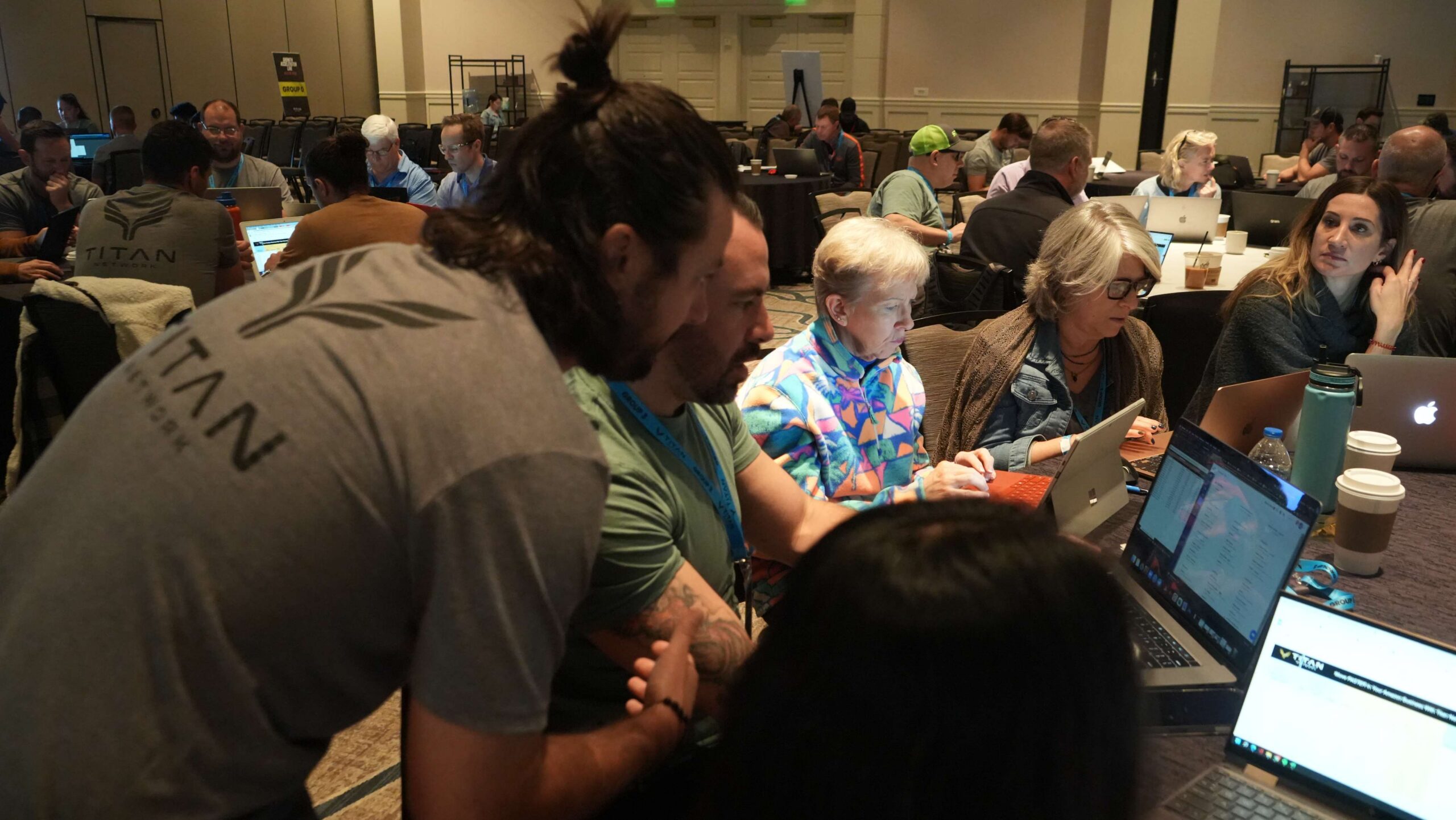
Is a Vetted Peer Network Better Than Public Forums for Scaling?
Is a Vetted Peer Network Better Than Public Forums for Scaling? Usually, yes, when a decision involves sensitive numbers, channel strategy, or a costly operating change. Public forums help with discovery; trusted peers are better for candid feedback on decisions that affect profit.
Key Takeaways
- Public forums work well for discovery and broad answers, but they rarely give you honest feedback on decisions that move your profit line.
- A vetted peer network is the better choice when you are weighing sensitive numbers, channel expansion, or an expensive change to how you operate.
- Exposing real margin and inventory data to anonymous strangers carries risk, which is why vetting matters for serious operators.
- Feedback from operators running 7 and 8 figure brands reflects comparable scale, so the advice holds up against your actual unit economics.
- The strongest setup pairs both: forums to surface new tactics, and a trusted room to pressure-test the decisions before you commit capital.
The difference is not just community size. It is whether members have relevant operating experience, clear confidentiality expectations, and enough context to give actionable advice.
Is a Vetted Peer Network Better Than Public Forums for Scaling? The Short Answer
Why trust, not size, decides whether a network helps you scale
A large audience can reply quickly without helping you decide. Scaling questions depend on context such as margin structure, inventory exposure, customer acquisition costs, team capacity, and channel mix. If you cannot share those details safely, peers may see only part of the problem and offer generic advice.
Trust allows candid discussion; relevant operator experience helps test assumptions against real constraints. Judge a conversation by whether it clarifies an action, owner, and next step, not by how many people see your post.
What counts as a vetted peer network vs a public forum (clear definitions)
A vetted peer network screens members through criteria such as business stage, operator experience, referrals, or an application. Members may meet in moderated groups or execution sessions, with norms intended to support confidentiality. Vetting does not guarantee good advice, so ask how expectations are set and conduct concerns handled.
A public forum generally has fewer entry barriers. Reddit, Facebook groups, and open Slack channels can surface perspectives quickly, but identities, incentives, and experience vary. They suit low-stakes discovery better than confidential operating discussions.
How we evaluated and ranked these options
This comparison weighs member relevance, confidentiality expectations, feedback quality, execution speed, and cost. A strong fit gives a scaling operator peers who understand the business model, a suitable setting for sensitive context, and discussion that moves toward a decision.
Top Picks: Where Serious Operators Actually Scale

These options serve different needs, from ecommerce execution to broad founder discussion. Titan Network ranks first for operators who need cross-channel context; the others may suit founders with a narrower marketplace focus or a need for general executive peers.
| Option | Access and focus | Confidentiality and feedback | Best fit |
|---|---|---|---|
| Titan Network | 700+ vetted ecommerce operators across five channels | Membership, weekly execution rooms, coaching, and operator network | Brands building beyond Amazon |
| Million Dollar Sellers | Vetted network for 7- to 9-figure ecommerce entrepreneurs | Peer setting for experienced ecommerce founders | Established sellers seeking ecommerce peers |
| Entrepreneurs’ Organization | Peer groups across industries | Structured founder-peer discussion; confirm local group norms | Founders seeking cross-industry perspective |
| Public forums | Open participation across Reddit, Facebook, and Slack | Variable identity, moderation, and advice quality | Early discovery and low-stakes questions |
#1. Titan Network – 700+ vetted ecommerce operators, five-channel Omni OS, weekly execution rooms
Best for: 7- and 8-figure ecommerce operators moving beyond Amazon-only growth. Titan Network brings together 700+ vetted operators across Product/Foundation, TikTok Shop, AI & AEO, Amazon, and Shopify. Its operating model connects membership, Titan AI, weekly execution rooms, coaching, and a vetted operator network.
This cross-channel focus suits founders weighing product decisions, marketplace economics, and customer ownership together. Members get relevant operator discussion and a recurring setting for execution. The network’s size provides context; fit depends on whether its rooms and support match your constraints.
#2. Million Dollar Sellers – Vetted peers for established ecommerce brands
Best for: 7- to 9-figure ecommerce entrepreneurs seeking peers with substantial online-business experience. Million Dollar Sellers positions itself as a vetted, high-caliber network, offering established sellers a more targeted peer setting than a general public group.
Its ecommerce focus suits marketplace and online retail questions. Before joining a private group, clarify confidentiality expectations, member access, and discussion structure; public descriptions cannot show how consistently members follow those norms.
#3. Entrepreneurs’ Organization (EO) – Peer groups across industries
Best for: Founders seeking structured peer exchange beyond ecommerce. EO’s cross-industry orientation brings perspectives from leaders facing different operational and organizational challenges, which may help when an issue extends beyond channel tactics.
The trade-off is that feedback may not reflect marketplace mechanics, advertising economics, or inventory constraints. Ask about the specific group’s composition and confidentiality practices, then assess whether members have enough category context.
#4. Public forums – Reddit, Facebook groups, and Slack channels
Best for: Broad discovery, quick terminology checks, and low-stakes questions. Open communities expose you to different opinions, but self-reported expertise and moderation vary. Treat replies as leads to investigate, not necessarily decision-ready recommendations.
Do not post customer lists, account details, or confidential performance data in an open thread. Treat unsolicited service pitches and link-exchange offers cautiously; Google’s spam policies identify link schemes as a policy concern. Public visibility can surface ideas, but it cannot replace confidential, context-rich operating advice.
The Real Costs of Scaling Advice in Public Forums
Public forums surface ideas quickly, but open access limits what founders can safely share. A scaling decision may depend on margins, customer acquisition costs, supplier terms, or account performance. Leaving out details that could identify a business or expose a vulnerability can prevent useful feedback. The cost may be a poor answer, a slower decision, a missed risk, or reluctance to ask the next question.
Confidentiality leaks: what happens when candid feedback gets shared outside the room
Peer feedback may criticize a product, positioning, or operating choice. In public, a founder has limited control over who reads, copies, or shares a discussion. One public forum user described the impact of a discussion about them being leaked: “a discussion was started by one person about me, and it was FAR from kind, and was leaked to me. It shouldn’t have happened.”
This shows why confidentiality is an operating condition, not a courtesy. If founders expect candid feedback to circulate, they may soften questions or withhold sensitive facts. A private group can set clearer expectations, but screening and stated norms cannot guarantee every member will honor them. Ask how confidentiality is handled before sharing information that could harm a business relationship or expose proprietary plans.
“a discussion was started by one person about me, and it was FAR from kind, and was leaked to me. It shouldn’t have happened”
Public forum user describing a leaked discussion
Client poaching and self-promotion: why “drop your site below” threads attract spam tactics
Threads inviting people to post a site or business can attract potential helpers, but also make posters visible to sellers and competitors. One user reported: “local MSPs constantly try to steal my client from me.” This is one person’s experience, not proof that every forum creates poaching. It illustrates why operators may avoid disclosing customer names, account details, or commercial relationships in public.
Self-promotion adds a screening burden: a thread can mix thoughtful critique with unsolicited pitches, referral requests, and link-exchange offers. Google’s spam policies identify link schemes as a concern, so trading links for rankings is not a safe shortcut. Verify public replies and check policy implications before acting on them.
Signal vs. noise: how anonymous open communities degrade feedback quality
Open communities include varied experience, but responses rarely come with verified operating histories or full business context. Advice about traffic, creative, or channel expansion can overlook contribution margin, inventory limits, or the actual bottleneck. One operator described pursuing discovery channels before fixing positioning: “A list of channels was never my bottleneck. I chased podcasts and newsletters before I could clearly say who the product was for and why they needed it.”
Another reported technical work without a meaningful traffic payoff: “i improved my site technical but still no good traffic like at most 100 daily clicks.” These examples show why tactics need diagnosis first. A useful answer identifies the constraint, explains its reasoning, and fits the company’s stage. Treat anonymous replies as hypotheses and validate them against your data before committing budget or team time.
Decision Framework: Forums for Discovery, Vetted Networks for Execution
Choose a setting based on the decision, not audience size. Public forums help identify terminology, tools, or possible approaches. A vetted peer network suits advice that depends on confidential details, experienced judgment, or coordinated execution across channels. Use this framework before sharing information or committing to membership.
5-question flowchart: which model fits your stage, margin, and risk profile
Work through these questions in order. Match the conversation to its exposure and cost; neither format suits every question.
- Does the question involve private data? If it requires customer, supplier, account, margin, or team details, favor a setting with clear confidentiality expectations.
- Could a wrong answer materially affect profit or inventory? If yes, seek feedback from operators who understand your model and constraints.
- Is the issue specific to your growth stage? If it involves scaling a team, expanding channels, or managing working capital, prioritize relevant peer experience.
- Are you exploring a low-risk idea? For definitions or possible tools, public discussion can be an efficient starting point.
- Do you need a decision and follow-through? If the next step needs an owner, deadline, and review, choose a structured peer setting rather than relying on an open thread.
If the first two checks apply, keep identifiable details out of public posts and seek context-rich feedback in a setting suited to the sensitivity.
Checklist: how to evaluate a peer network before joining
Ask specific questions before paying or sharing operating data. Screening may improve member relevance, but the group’s format and norms determine whether you can use it confidently.
- What qualifies members, and how is operator experience checked?
- Are members at a stage and business model relevant to your current decisions?
- What confidentiality expectations apply, and how are conduct concerns addressed?
- Do sessions produce decisions, introductions, or practical next steps?
- Can you preview the cadence, coaching access, and time commitment?
- How will you judge whether the membership cost is justified by useful execution?
When public forums still make sense: early-stage discovery and low-stakes questions
Open communities are useful when an incomplete answer has little downside. Use them to learn category language, compare publicly documented tools, identify questions to investigate, or find research sources. Keep posts narrowly framed and remove customer, supplier, and account identifiers.
For budget allocation, pricing, channel economics, or sensitive commercial relationships, treat public replies as hypotheses. Verify claims against first-party data and qualified advice before changing the operating plan.
How to Measure Whether a Peer Network Is Actually Helping You Scale

A peer network earns its place when it helps your team decide faster and act. Member count, activity, and introductions are inputs, not proof of value. Set a baseline before joining, then review whether conversations produce measurable progress on a real operating constraint.
Metrics that matter: execution speed, decisions made, revenue per hour of peer time
Track the time from raising a problem to choosing an action, decisions moved into execution, and hours spent preparing for and attending sessions. To assess revenue per hour of peer time, compare relevant contribution or revenue changes with time invested, while accounting for other factors that influenced performance. Credit the group only when its advice has a plausible connection to results.
Red flags that a community is big but not valuable
Watch for repeated introductions without follow-through, advice that ignores your margin or stage, unclear membership standards, and few chances to ask focused questions. High post volume can mask low relevance. If members cannot explain how discussion becomes action, treat activity as engagement, not an outcome.
Building your own operating system: where Titan Network fits for 7 and 8 figure operators
For 7- and 8-figure operators building beyond Amazon, Titan Network connects Product/Foundation, TikTok Shop, AI & AEO, Amazon, and Shopify in one operating system. Its 700+ vetted operators, Titan AI, membership, weekly execution rooms, coaching, and vetted network support work across those channels. Judge fit by whether relevant rooms and operator perspectives help your team move a current priority forward.
Frequently Asked Questions
What is a vetted peer network and how does it differ from a public forum?
A vetted peer network screens members through business stage, operator experience, referrals, or applications, while a public forum like Reddit or an open Slack channel has few entry barriers. Vetting creates a setting where you can share margins, inventory exposure, and channel economics candidly instead of posting sanitized questions to strangers.
Why do public forums fail at scaling meaningful business relationships?
Public forums fail at scaling decisions because members lack shared context, verified experience, and confidentiality norms. You cannot safely post real CAC, margin structure, or channel mix in an open thread, so replies stay generic. Large audiences answer fast without helping you decide.
How does confidentiality in vetted networks encourage honest feedback?
Confidentiality lets operators share sensitive numbers and costly operating plans without competitive exposure, which is what makes feedback actionable. When peers see the full problem, including margin and inventory constraints, they can test assumptions against real economics instead of offering safe, surface-level advice.
What are the risks of client poaching in open communities?
Client poaching, unsolicited service pitches, and link-exchange offers are common in open communities where identities and incentives are unverified. Treat replies as leads to investigate, never post customer lists or account details in public threads, and check how any private group handles conduct concerns before relying on it.
How do you measure the value of a vetted peer network?
Measure value by whether conversations produce a clear action, owner, and next step, not by audience size or post volume. Also weigh member relevance to your business model, confidentiality expectations, feedback quality, execution speed, and cost against what the membership actually delivers.
Is vetted membership alone proof that a network will give good advice?
No, vetting is a starting filter, not proof of value. Ask how expectations are set, how conduct concerns are handled, what the member mix looks like, and how meetings are structured before trusting any group with consequential scaling decisions.
When should an ecommerce operator use a public forum instead of a peer network?
Public forums work best for discovery, quick terminology checks, and low-stakes questions where confidentiality is not a concern. Once a decision touches sensitive numbers, channel strategy, or a costly operating change, a vetted peer network with relevant operator experience is the better setting.
Keep readingRead inside the Titan community →