How to Remove an Amazon Review — Advanced Playbook for Protecting Brand Equity & Profit
Negative Amazon reviews hit your bottom line harder than most sellers realize. At the $1M-$10M revenue level, a single 1-star review can suppress conversion rates by 15-20%, directly impacting your EBITDA and organic ranking velocity. When you’re managing multiple ASINs with substantial ad spend, review damage compounds fast. Best Amazon Seller Mastermind communities like Titan Network provide proven strategies and peer accountability to help sellers address these challenges efficiently.
Report reviews violating Amazon policies via Seller Central, request removal for abuse or policy breaches, and use Amazon’s escalation channels for persistent issues.
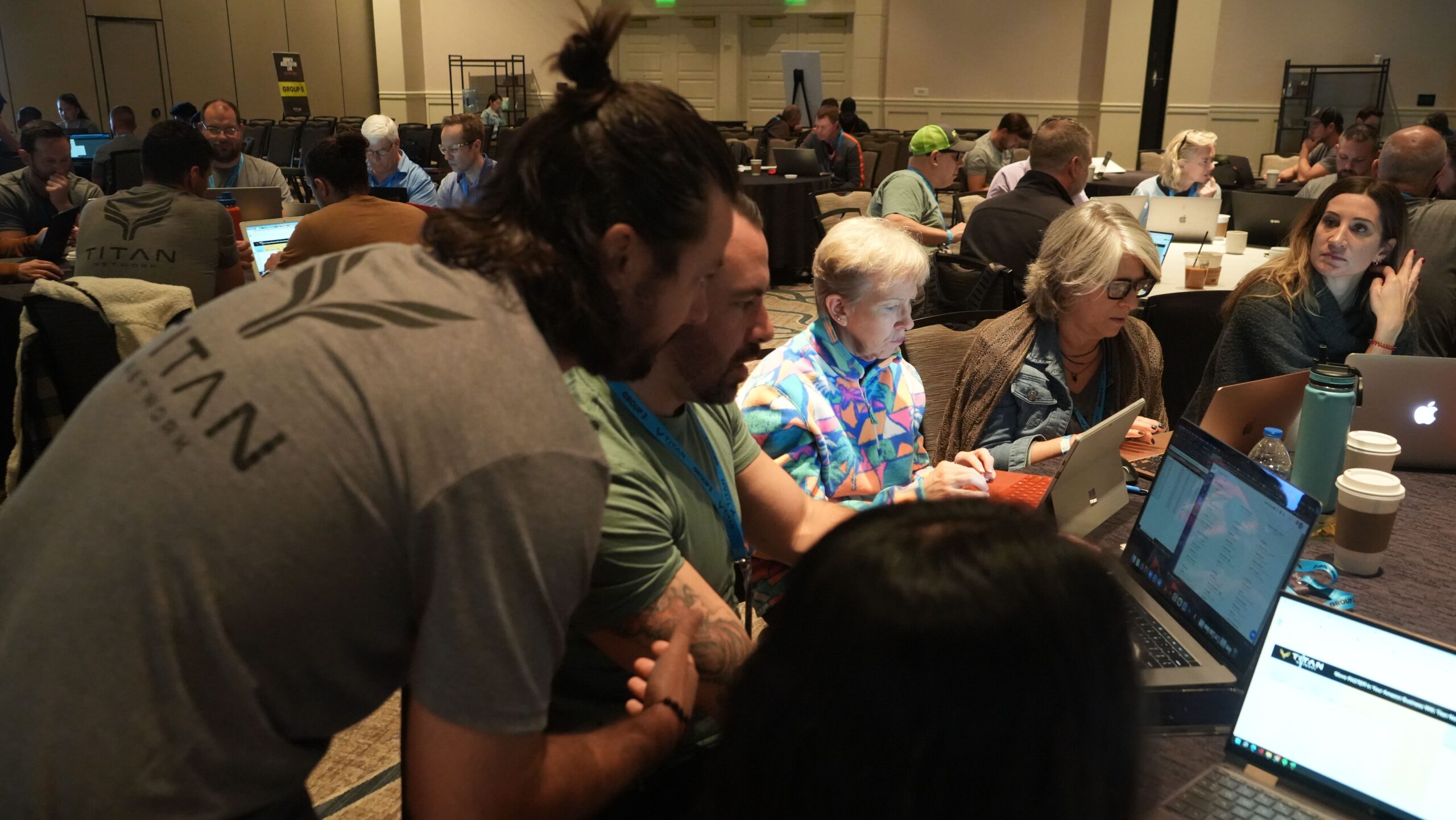
For sellers seeking expert guidance on how to remove an amazon review and protect their brand equity, leveraging resources such as Titan Network Events can offer actionable insights and direct support from experienced Amazon entrepreneurs.
Amazon Review Types — What Can (and Can’t) Be Removed
Most established sellers waste time targeting the wrong review type. Amazon’s system distinguishes between product reviews (customer experience with your item), seller feedback (service and fulfillment experience), and Q&A responses. Each has different removal criteria and escalation paths.
Review Type
Typical Content
Policy Removal Criteria
Seller Action Path
Product Review
Item quality, features, performance
Off-topic, abuse, promotional content
Report abuse link + SC escalation
Seller Feedback
Shipping, customer service, packaging
Product-focused content, policy violations
Direct removal in Seller Central
Q&A Response
Direct questions about product
Irrelevant, spam, competitor attacks
Report to Amazon support
Product reviews discussing shipping delays or customer service issues violate Amazon’s content guidelines since these relate to seller performance, not product quality. Seller feedback mentioning product defects can be removed because it belongs in product reviews. This distinction becomes your primary lever for removing amazon reviews that damage conversion rates unfairly.
Amazon’s Review Removal Policies — Grounds, Timeframes, and Critical SOPs
Amazon’s Community Guidelines prohibit reviews containing promotional content, competitor attacks, off-topic service complaints, obscene language, and incentivized feedback. Reviews must reflect genuine product experience from verified purchasers. Content discussing shipping, customer service, or seller-specific issues belongs in seller feedback, not product reviews.
Implement this 4-step weekly review monitoring SOP: Daily automated alerts for new reviews below 3 stars, immediate flagging of policy violations with screenshots and order data, documentation in your review dispute tracker, and escalation within 48 hours for high-impact removals. Amazon typically responds to removal requests within 72 hours, but complex cases involving fake review clusters can take 7-14 days.
Critical timing matters for how to remove reviews on amazon effectively. Report violations within 90 days of posting for fastest processing. Document everything with order numbers, customer communication history, and policy violation specifics. Amazon’s automated systems flag patterns, so consistent reporting builds credibility for future escalations.
The margin protection justification is clear: preventing policy-violating reviews from accumulating reduces chargebacks, maintains Buy Box eligibility, and preserves the conversion rates that drive your EBITDA growth. Titan members leverage our documented SOPs and peer accountability systems to operationalize this process across their entire catalog without overwhelming their ops team.
How to Remove Your Own Amazon Review — Step-by-Step for Test Orders and Staff Accounts
Established sellers often need to delete review amazon entries from test orders, staff purchases, or friends and family who left reviews before understanding Amazon’s Terms of Service. These reviews violate Amazon’s policies if they’re not from genuine, unbiased customers.
Desktop removal process: Navigate to Your Account > Profile > Your Reviews, locate the specific review, click the three-dot menu next to it, and select “Delete review.” Mobile users access this through the Amazon app: Profile icon > Account & Login Info > Your Reviews > three-dot menu > Delete. Reviews typically disappear within 24-48 hours after deletion.
How to Remove a Negative Product Review as a Seller — Policy Violations, Abuse, and Reporting Methods
Strategic review removal requires identifying clear policy violations: reviews discussing shipping delays, customer service interactions, or seller-specific complaints belong in seller feedback, not product reviews. Reviews containing profanity, competitor sabotage attempts, or obviously fake content from non-purchasers qualify for immediate removal action.
Execute this 5-step removal process for how to remove an amazon review systematically: First, document evidence with screenshots, order numbers, and policy violation specifics. Second, click the “Report abuse” link directly under the violating review. Third, escalate through Seller Central: Performance > Account Health > Contact Us > “Report a violation” with your documented case file.
For high-impact reviews damaging primary ASINs, email community-help@amazon.com with comprehensive documentation including customer communication history, order details, and specific policy violations. Follow up at 48 hours, then 5 business days, maintaining detailed logs for Brand Registry escalation if needed.
Advanced Escalation Protocol
Pro tip: Utilize Amazon’s Vine program filter to prioritize removal requests. Non-Vine verified purchase reviews from accounts with suspicious patterns get faster removal approval. Document review velocity, account age, and purchase history patterns when reporting coordinated attacks.
The profit lever is substantial: removing 1-2 strategically damaging negative reviews can boost session-to-sale conversion by 2-4%, directly impacting your EBITDA on high-volume ASINs. One Titan member recovered $23,000 in quarterly revenue by successfully removing three competitor attack reviews that suppressed their top SKU’s conversion rate.
Pro Methods — How to Remove Seller Feedback and Abuse Outside Amazon’s Automated System
Seller feedback removal operates through different mechanisms than product reviews. Navigate to Seller Central > Performance > Feedback, then use the “Request Removal” button for feedback discussing product quality, features, or defects rather than your service performance. Amazon’s automated system approves these removals within 24-48 hours since product-focused content violates feedback guidelines.
For FBA orders, leverage Amazon’s automatic feedback removal system by documenting that shipping or delivery complaints should be directed to Amazon, not your seller account. Submit removal requests citing Amazon’s fulfillment responsibility, which triggers their automated approval process for service-related complaints on FBA orders.
When facing coordinated competitor attacks or serial negative feedback patterns, document the abuse with account names, timing patterns, and order correlation data. Escalate through Seller Performance email and Brand Registry with comprehensive evidence files. Titan members utilize our proprietary monitoring dashboards to identify these patterns early and execute coordinated response strategies that protect brand equity across their entire catalog.
Advanced Automated and AI Tools for Amazon Review Monitoring & Removal
Systematic review management requires choosing between manual monitoring, Seller Central’s basic tools, third-party automation platforms, or professional agencies. Each method scales differently for portfolio sellers managing multiple brands and hundreds of ASINs.
Method
Speed
Efficiency
ToS Compliance
Investment Level
Best For
Manual Reporting
Slow
Labor-Intensive
Yes
Low
Single-brand sellers
Seller Central Tools
Medium
Medium
Yes
Low
Policy violations only
Third-Party Platforms
Fast
High
Yes
Medium
Multi-brand portfolios
Professional Agencies
Fastest
Ultra-High
Yes
High
Premium brands
Third-party tools like FeedbackFive and Helium 10’s Review Insights automate monitoring and flag policy violations across your catalog. These platforms track review velocity, identify suspicious patterns, and generate removal request documentation, saving 15-20 hours weekly for sellers managing 50+ ASINs.
Titan members access our systemized review dispute tracker that integrates with Amazon’s API to automatically flag violations, generate removal requests, and track success rates across their portfolio. One member reduced negative review impact by 34% after implementing our automated monitoring system, recovering over $180,000 in annual revenue through systematic amazon remove review protocols and proactive reputation management.
For hands-on learning and advanced strategies, consider attending Titan Network Workshops to deepen your expertise in review monitoring and removal.
How to Ask Customers to Change or Remove a Review — Profitable Post-Resolution Playbook
Customer review modification requests must comply strictly with Amazon’s messaging policies. Contact customers only through Amazon’s messaging system after genuinely resolving their issue, never offering incentives or compensation for review changes. The approach focuses on service recovery and relationship repair, not review manipulation.
Follow this resolution ladder: Issue sincere apology acknowledging their experience, resolve the root cause completely with replacement, refund, or technical solution, demonstrate you’ve improved the product or process, then politely request they consider updating their review if their experience has improved. Wait 48-72 hours after resolution before making any review-related requests.
For a broader perspective on e-commerce reputation management, you might also find value in this Titan Network blog post.
Proven Customer Messaging Template
Compliant Review Request Script
Template: “Hi [Name], I wanted to personally follow up on your recent order. We’ve implemented [specific improvement] based on your feedback and replaced your item at no charge. If you feel your experience has improved and the issue is resolved, would you consider updating your review to reflect your current experience? We truly value your feedback and want to ensure you’re completely satisfied.”
Time your request strategically: send the message 48-72 hours after confirming the customer received their replacement or resolution. This timing allows them to evaluate the improved experience while your service recovery remains fresh in their memory. Track your conversion rate from negative to positive reviews—successful resolution and polite requests typically convert 15-25% of legitimate complaints into neutral or positive reviews.
The EBITDA impact compounds quickly: converting a 1-star review to a 4-star review can boost listing conversion rates by 3-8%, depending on your current rating distribution. One Titan member generated an additional $47,000 in quarterly revenue by systematically implementing this post-resolution review recovery process across their catalog, focusing on high-traffic ASINs where single reviews significantly impact conversion metrics.
When Amazon denies legitimate removal requests, document their response and re-submit with additional evidence highlighting specific policy violations. Include customer communication history, order timeline discrepancies, and comparative examples of similar reviews Amazon has removed. Escalate denied cases to Brand Registry within 30 days, as registry holders receive priority review from specialized teams trained in intellectual property and brand protection.
Combat fake and defamatory reviews by building comprehensive evidence files: screenshot the review with timestamp, document the reviewer’s account history and purchase patterns, identify linguistic patterns suggesting coordinated attacks, and cross-reference timing with competitor product launches or your promotional activities. Submit this evidence package through multiple channels: standard abuse reporting, Brand Registry escalation, and community-help@amazon.com for coordinated attack documentation.
For persistent abuse patterns, maintain running case files with review dates, account names, and response tracking. Amazon’s algorithms flag accounts with repeated violations, but manual escalation accelerates enforcement. Titan members leverage our network’s collective intelligence to identify cross-brand attack patterns and coordinate response strategies, often achieving 60-70% success rates on complex removal cases that individual sellers struggle to resolve independently.
Prevention delivers higher ROI than removal. Implement automated “Request a Review” triggers at optimal timing: 3-5 days post-delivery for consumables, 7-14 days for durable goods, allowing customers adequate evaluation time while maintaining purchase satisfaction momentum. Configure these triggers through Amazon’s native tools or third-party platforms, targeting customers with successful delivery confirmation and no return activity.
Monitor your returns and replacement data weekly to identify unhappy customers before they review. Proactively contact customers who request returns or report issues, offering immediate solutions and demonstrating exceptional service that often prevents negative reviews entirely. Track patterns in return reasons and customer service tickets to identify product improvements that eliminate common complaint sources.
Weekly Review Management Checklist
Monday: Review weekend activity and flag urgent violations Wednesday: Submit removal requests for documented violations Friday: Follow up on pending requests and document outcomes Monthly: Analyze patterns and update SOPs based on success rates
Titan members systematize this prevention approach through our accountability framework, with weekly peer check-ins ensuring consistent execution across their operations. This systematic approach typically reduces negative review velocity by 40-60% while improving overall customer satisfaction scores and long-term brand equity protection.
For further discussion and peer support, you can connect with Titan Network to join a community of experienced Amazon sellers.
The Titan Network Advantage — Why Review Management is Best Done with a Peer-Led System
Individual sellers face review challenges in isolation, but Titan members leverage collective intelligence and proven systems. Our member-exclusive dashboards track removal success rates across different violation types, provide templated escalation documents, and offer direct access to members who’ve successfully resolved similar situations. This peer-led approach accelerates resolution timelines and improves success rates through shared expertise and coordinated advocacy.
Real results demonstrate the power of systematic review management: Titan member Sarah Chen faced coordinated fake review attacks across her supplement line, threatening $200,000 in quarterly revenue. Through our network’s escalation protocols and member-supported documentation strategies, she achieved removal of 12 fake reviews within 3 weeks, recovering her conversion rates and protecting her brand’s long-term equity. The systematic approach and peer accountability ensure these wins become repeatable processes, not one-time victories.
Don’t manage review risk in isolation. Join the world’s most successful Amazon sellers who systemize reputation protection, optimize removal protocols, and defend their margins through collective action and proven accountability systems. For additional peer discussions, see this Amazon Seller Forums thread on review removal.
You can remove an Amazon review only if it violates Amazon’s policies, such as containing abuse, spam, or off-topic content. Legitimate negative product reviews based solely on customer experience typically cannot be removed. Your best approach is to report policy violations through Seller Central and escalate persistent abuse, while leveraging customer service to resolve issues and request review updates.
About the Author
Dan Ashburn is the Co-Founder at Titan Network—the world’s leading community for Amazon sellers scaling to 7 and 8 figures. A former top 1% Amazon FBA seller turned growth strategist, Dan has spent the last decade engineering data-driven campaigns that have generated millions in marketplace sales and DTC revenue for Titan’s partners.
At Titan Network, Dan, alongside his cofounder Athena Severi and their team of top talent, architects full-funnel growth frameworks that help margin-squeezed, time-poor brands unlock quick wins, shore up profits, and expand beyond Amazon. Their playbooks fuse advanced PPC automation, creative conversion-rate optimization, and airtight supply-chain SOPs—giving sellers the step-by-step systems, expert mentorship, and peer accountability they need to dominate crowded niches while safeguarding EBITDA.
A sought-after speaker at Prosper Show, SellerCon, and White Label Expo, Dan demystifies algorithm shifts and shares ROI-focused tactics—from DSP retargeting hacks to DTC attribution modeling—empowering operators to make confident, cash-generating decisions. Titan Network has positioned itself as the world’s premier Amazon Seller Mastermind, providing high-quality tactical strategies and pinpointing growth levers that move the profit needle this quarter.