


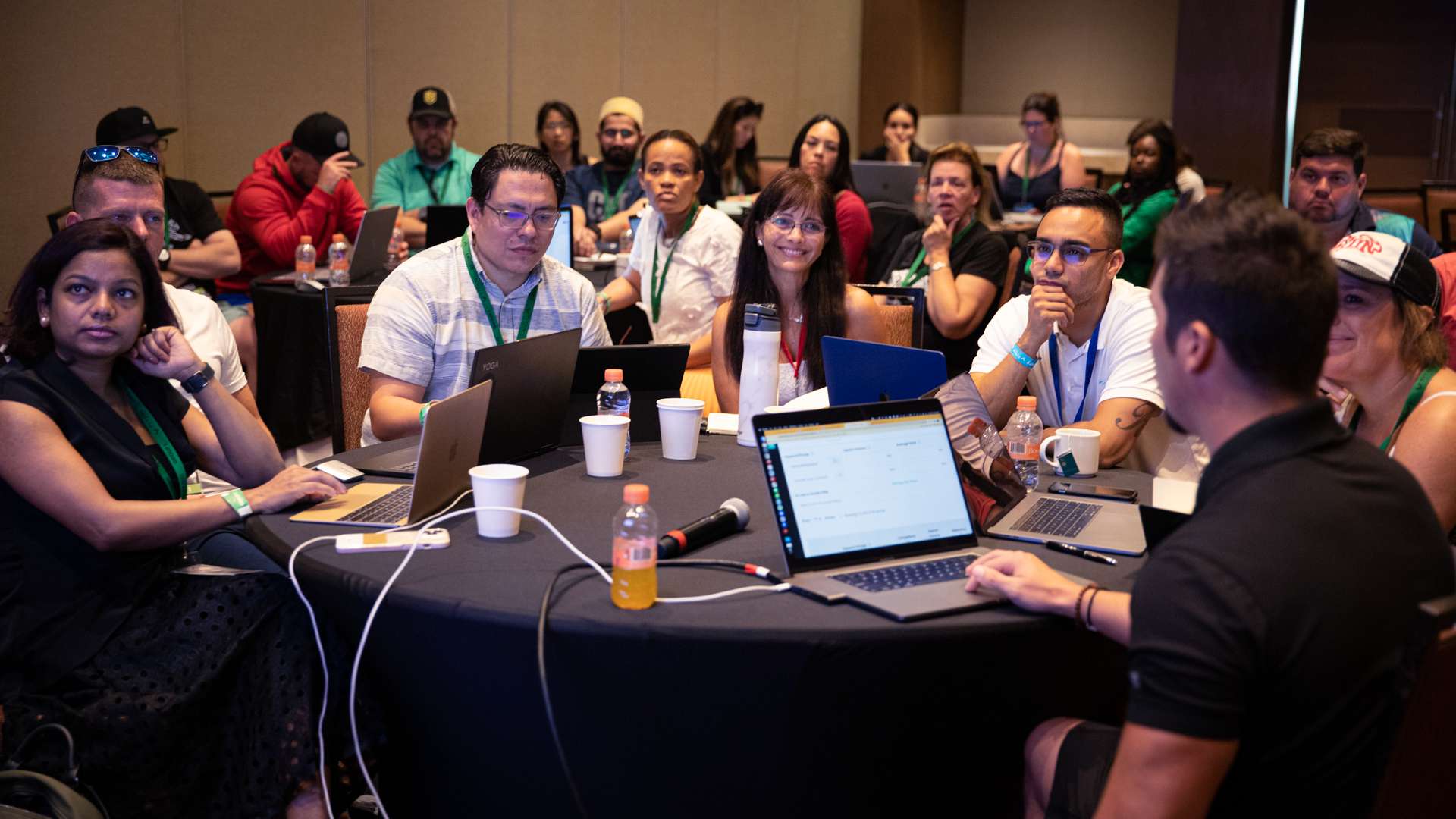
Cheapest premium groups for brand scaling?
Cheapest premium groups for brand scaling? The right choice is the least expensive option that gives your team useful operator access and a clear path to better decisions. Compare total cost, channel coverage, and execution support, not just the monthly fee. A low-cost membership may suit a founder who needs targeted advice; a brand coordinating Amazon, TikTok Shop, Shopify, product development, and AI discovery may need a wider operating system.
Key Takeaways
- The cheapest premium group is not the one with the lowest monthly fee; it is the one where the cost per useful operator connection actually moves your decisions.
- Total cost should include time spent, channel coverage gaps, and the speed at which members can act on advice, not just the sticker price.
- Founders who need targeted answers on one channel can get value from low-cost memberships, while multi-channel brands coordinating Amazon, TikTok Shop, Shopify, product, and AI discovery need broader execution support.
- Operator access only pays off when the network gives you a path to implement quickly, because advice without execution speed compounds nothing across channels.
- Evaluate each group against profit impact, defensibility, and customer ownership so the membership becomes an operating advantage rather than another subscription.
Pricing alone cannot prove value. Use the framework below to compare group memberships with agencies and in-house hires, then check each provider’s current terms. Pricing and features can change, so treat unverified rates as due-diligence items rather than assumptions.
What Premium Groups Are and What Scaling Actually Costs
A premium group for brand scaling is a paid membership, peer network, or operator-led community intended to help ecommerce founders make better decisions and move execution forward. Depending on its model, it may offer group coaching, expert access, working sessions, templates, or peer discussion. The key distinction is access versus delivery: a group can help your team solve problems, while an agency typically performs contracted work and an in-house hire owns execution day to day.
Premium groups vs. agencies vs. in-house teams: the real cost stack
A membership usually has a recurring fee, plus staff time and any separate services you buy. An agency retainer can include strategy and execution, but scope, ad spend, creative production, and onboarding may be billed separately. An employee adds salary, benefits, recruiting, and management time. Compare total monthly cost with the work completed: marketplace strategy, campaign management, listing improvements, creative testing, or channel expansion.
What ‘premium’ means at each price tier ($50/mo to $25k/mo)
Price tiers describe different buying models, not a shared standard for quality. At the lower end, expect a membership or content library with limited direct support. Higher membership fees may include more frequent operator access or structured group sessions. Agency and fractional-team costs can reach much higher levels when they include dedicated execution.
Who this comparison is for
This comparison is for founders weighing expert access against agency expense or internal headcount. It is most useful if you understand your margins, inventory position, and channel economics, and can name the bottleneck you need to solve. If your main constraint is cash for inventory or ad spend, a recurring membership may not be the next best purchase.
How We Evaluated: The Price-First, ROI-Driven Framework

To assess the cheapest premium groups for brand scaling, start with evidence you can verify: published or written pricing, membership inclusions, how often members reach operators, and whether support matches your sales channels. Then inspect the operating model. A group centered on Amazon tactics may not solve a Shopify conversion issue or a TikTok Shop launch. Favor clear access terms and useful working sessions over broad claims about community size.
Selection criteria: real pricing, operator outcomes, channel coverage
Ask for the current fee, billing cadence, cancellation terms, onboarding requirements, and a precise list of included sessions or tools. Look for named practitioners and examples of the problems they help members address. Match coverage to your operating plan: product and sourcing, Amazon, TikTok Shop, Shopify, and AI or answer-engine discovery. A group need not cover every channel, but gaps should be explicit.
The ROI formula: monthly cost vs. incremental profit contribution
Use this test: net monthly contribution = incremental gross profit attributable to group-supported actions minus the full monthly membership cost. Track the baseline before joining, record actions taken after sessions, and separate contribution from revenue. If a recommendation changes listing conversion, contribution margin, or inventory turns, estimate its profit effect using your own data. Do not credit the group for gains caused by unrelated promotions or seasonality.
Hidden costs most buyers miss: onboarding, ad spend minimums, time
Membership dues are only one line item. Check for onboarding fees, required software, event travel, private coaching upgrades, ad spend expectations, and minimum commitments. Count founder and team hours spent attending sessions and implementing advice. A group costs more in practice if it creates meetings without decisions or requires unbudgeted creative, inventory, or contractor spend.
- Confirm total fees, renewal dates, and cancellation terms in writing.
- List included operator access, session frequency, and channel coverage.
- Set a baseline metric and an owner for implementing each useful recommendation.
Top Picks: The Cheapest Premium Groups for Brand Scaling, Ranked
There is no defensible price ranking without current, comparable vendor quotes. The table separates stated positioning from pricing buyers should confirm directly. Treat the order as a fit-oriented shortlist, not a claim that every option has a published fee or identical scope. The cheapest premium groups for brand scaling are a bargain only when their access and expertise address a real operating constraint.
| Option | Positioning | Coverage or access | Pricing status |
|---|---|---|---|
| Titan Network | Five-channel ecommerce operating system | Product/Foundation, TikTok Shop, AI and AEO, Amazon, Shopify; membership, weekly execution rooms, coaching, Titan AI, and a vetted network of 700+ operators | Confirm current membership pricing and terms |
| EcomCrew Premium | Entry option described in the brief for solo operators | Verify current programming, operator access, and channel fit with the provider | Current rate not provided; request a quote or pricing page |
| SellerLabs Community Tiers | Amazon-first budget option described in the brief | Verify included community support and whether it extends beyond Amazon | Current tier rates not provided |
| Collective [M] | Peer mastermind option described for Shopify brands | Confirm participant profile, meeting format, and ecommerce operating focus | Current rate not provided |
| Growth Mentor | Mentor access described as a per-hour option | Confirm mentor availability, relevant experience, and session pricing | Current rates not provided |
#1 Titan Network – operator network with five-channel execution rooms and AI operators
Best for: Founders moving beyond Amazon-only growth who need coordinated execution across product, TikTok Shop, AI and AEO, Amazon, and Shopify. Titan Network’s stated model combines membership, weekly execution rooms, coaching, Titan AI, and access to a vetted network of 700+ operators. That breadth fits brands whose bottleneck is coordination across channels rather than one isolated tactic. Ask for current pricing and confirm which membership elements match your needs.
#2 EcomCrew Premium – lower-commitment entry for solo operators
Best for: A solo founder looking for an entry point into ecommerce education and peer support. The research brief identifies it as a low-cost option, but provides no current price or verified feature list. Before comparing costs, confirm the fee, cancellation policy, practitioner access, and whether the material addresses your stage. A low monthly payment helps only if the format fits how you work.
Pros
- Positioned for solo operators seeking a lower-cost starting point.
Cons
- Current pricing and included support require direct verification.
#3 SellerLabs Community Tiers – budget Amazon-first option
Best for: An Amazon-focused seller who wants community support without paying for broad cross-channel programming. The brief describes budget tiers but supplies no current rates or tier-by-tier inclusions. Confirm whether the community offers active operator discussion, practical marketplace guidance, and the Seller Central topics your team needs. If Shopify or TikTok Shop is a near-term priority, check whether support extends beyond Amazon.
Pros
- Amazon-first positioning may suit a seller with a marketplace-specific need.
Cons
- Pricing, tier details, and support outside Amazon are unverified here.
#4 Collective [M] – peer mastermind for Shopify brands
Best for: A Shopify brand seeking discussion with peers at a similar stage. The research brief characterizes it as a mid-tier mastermind, but provides no current fee, participant criteria, or meeting schedule. Ask how members are matched, what preparation is expected, and whether sessions address unit economics, retention, conversion, and fulfillment. Peer advice can help when members have relevant operating experience and sessions have a clear format.
Pros
- Peer-mastermind positioning may fit founders seeking structured discussion.
Cons
- Current pricing and membership format need confirmation.
#5 Growth Mentor – per-hour access to mentors
Best for: A founder who can define a narrow question and wants to compare individual mentor sessions with a recurring membership. The brief presents Growth Mentor as a low-cost per-hour route to vetted operators, but provides no current session rate or availability details. Verify mentor experience in your category, session costs, and whether the relationship includes follow-up. Hourly access suits targeted decisions better than ongoing implementation ownership.
Pros
- Hourly format can suit a defined, limited-scope question.
Cons
- Rates, mentor fit, and follow-up terms are not established here.
The 10-Point Vetting Checklist and Red Flags of Cheap-but-Useless Groups
A low membership fee reduces cash exposure, not the risk of losing time on advice your team cannot use. Before joining, check who leads sessions, how members get access, and whether the group addresses your operating constraints. Ask for terms in writing; vague answers about participation, cancellation, or results are a reason to pause. A useful group makes its format and limits clear before you pay.
10 questions to ask before you pay
Use these questions on a sales call or in a written inquiry. Specific answers make it easier to compare a membership with another group, a consultant, or keeping the budget in-house.
- What is the full price, billing schedule, and renewal date?
- What is the cancellation process, and how much notice is required?
- Are onboarding, events, tools, or private sessions billed separately?
- Which sessions and resources are included in the fee?
- How often can members ask questions directly of an operator?
- Who leads the group, and what ecommerce work have they done?
- What types of brands and stages are represented among active members?
- Does the programming cover your channels and team’s bottlenecks?
- How does the group distinguish advice from execution services?
- Can you speak with a current member whose needs resemble yours?
Red flags: fake member counts, no named operators, contract lock-ins
Large member counts do not show how many people participate or receive useful support. Ask for active-member context and a sample session format. Be cautious if no operators are named, expertise is described only in broad terms, or the provider avoids explaining how members get answers. A busy chat feed is not a substitute for relevant guidance.
Review the agreement for automatic renewal, minimum terms, cancellation windows, and fees outside the advertised price. Pressure to commit before seeing the terms, promises of guaranteed growth, or reluctance to explain who provides support are warning signs. Low pricing can be a sensible trial, but unclear obligations can erase the savings.
Step-by-step: how to choose the right group for your stage
First, name one bottleneck: marketplace performance, product development, creative testing, channel expansion, or team execution. Identify who will attend sessions and own follow-through. Compare providers against that need, their access model, total cost, and cancellation terms. Do not pay for broad coverage if your immediate problem is narrow.
Set a review date and define what evidence would justify renewal, such as decisions implemented, team hours saved, or a measurable improvement in a relevant operating metric. If the group offers a short commitment, use that period to test participation and fit. If your team cannot attend or act on advice, preserve the budget for a constraint it can address now.
ROI Examples and FAQ: When a Cheap Premium Group Beats an Agency

A lower-cost membership can beat an agency on economics when your team needs guidance and can execute internally. The comparison changes if you need dedicated delivery, specialized capacity, or someone accountable for implementation. Judge both options by incremental gross profit, the labor required to act on recommendations, and the time needed to see a measurable effect.
Worked ROI example: $500/mo group vs. $8k/mo agency retainer
The agency wins in this illustration despite its higher fee. The group wins only if its lower cost is paired with enough profit impact and your team can do the work.
Treat those figures as a calculation example, not a performance claim. Use your own contribution margin, baseline sales, implementation hours, and costs for creative, inventory, or advertising. Attribute gains cautiously: do not credit a promotion or seasonal demand to a membership without a clear connection.
Cheap groups can support scaling when members get relevant operator input, show up consistently, and implement recommendations. At the 7-figure stage, prioritize peer and operator experience with comparable channel complexity, clear access to decision-makers, and guidance that accounts for margin and cash flow, not just revenue growth.
Move to an agency or in-house team when execution capacity is the constraint, work needs specialized ownership, or missed deadlines cost more than the added fee. Before switching, define scope, success measures, reporting cadence, and decision rights. A group can remain useful for strategic input, but it is not a delivery team.
Frequently Asked Questions
What are premium groups for brand scaling?
A premium group for brand scaling is a paid membership or operator-led community that helps ecommerce founders make better decisions and move execution forward. Depending on the model, it offers group coaching, expert access, working sessions, templates, or peer discussion. The key distinction is access versus delivery: groups help your team solve problems, while agencies and hires own the work.
How much do premium groups for brand scaling cost and what is the cheapest option?
Lower tiers typically offer content libraries with limited direct support, while higher fees add more operator access. Confirm current rates and written scope with each provider, since published pricing changes.
Are cheap premium groups effective for scaling a brand?
A cheap premium group is effective only when its access and expertise address a real operating constraint and your team can act on its input. If nobody owns implementation, even a low fee becomes wasted overhead. A low-cost membership can suit a founder needing targeted advice; brands coordinating multiple channels often need a wider operating system.
What should I look for in a premium ecommerce group?
Look for real, written pricing, named practitioners, clear access terms, and channel coverage matched to your operating plan across product, Amazon, TikTok Shop, Shopify, and AI discovery. Also check cancellation terms, onboarding requirements, and a precise list of included sessions. Favor working sessions and operator outcomes over broad claims about community size.
How do I calculate the ROI of joining a premium group?
Calculate ROI as net monthly contribution: incremental gross profit attributable to group-supported actions minus the full monthly membership cost. Track your baseline before joining, record actions taken after sessions, and separate contribution from revenue. Do not credit the group for gains caused by unrelated promotions or seasonality.
What hidden costs should I watch for with premium group memberships?
Beyond monthly dues, check for onboarding fees, required software, event travel, private coaching upgrades, ad spend minimums, and contract commitments. Count founder and team hours spent attending sessions and implementing advice. A group costs more in practice if it creates meetings without decisions or forces unbudgeted spend.
How do premium groups compare to agencies and in-house hires for scaling?
A membership carries a recurring fee plus staff time, an agency retainer often bills strategy, ad spend, and creative separately, and an employee adds salary, benefits, and recruiting costs. Compare total monthly cost against work completed: marketplace strategy, campaign management, listing improvements, creative testing, or channel expansion.
Keep readingRead the Amazon operator playbook →