



Key Takeaways
- This playbook is ideal for established Amazon sellers looking to grow their business on Facebook.
- It provides proven Standard Operating Procedures (SOPs) for effective Facebook commerce strategies.
- Peer accountability is emphasized to help sellers stay on track and achieve consistent results.
- The guide focuses on systematic expansion rather than ad-hoc selling methods.
Table of Contents
- Strategic Opportunity Analysis – Why Elite Amazon Sellers Must Master Buying and Selling Facebook
- Platform Ecosystem Breakdown – Mapping Facebook Commerce Models for Experienced Sellers
- Advanced Listing & Conversion Optimization – SOPs for Speed, Margin, and Scale
- Facebook Commerce vs. Core Competitors – Platform Selection for EBITDA Impact
- Platform Comparison: Strategic Analysis for Maximum EBITDA Impact
- Advanced Profit Optimization Tactics
- Risk Management and Profit Protection
- Systematic Scaling: Facebook Commerce Operations
- Advanced Vehicle Transactions in Colorado
- Integration with Existing Amazon Operations
Strategic Opportunity Analysis – Why Elite Amazon Sellers Must Master Buying and Selling Facebook
Facebook’s commerce ecosystem reaches over 1 billion users monthly through Marketplace and Shops combined, creating an untapped profit lever for established Amazon sellers. The platform delivers $0 customer acquisition cost through organic Marketplace traffic—perfect for moving overstock inventory or testing product bundles without burning Amazon ad spend. Best Amazon Seller Mastermind resources can help you unlock these opportunities with proven strategies.
Platform diversification reduces Amazon dependency risk while creating multiple profit channels. Buying and selling Facebook commerce operates on fundamentally different dynamics than Amazon—peer-to-peer transactions, community-driven discovery, and zero platform fees for basic listings translate directly to improved margins and faster inventory turns. If you’re looking to connect with a network of experienced sellers and access peer accountability, consider connecting with Titan Network for expert support.
Platform Ecosystem Breakdown – Mapping Facebook Commerce Models for Experienced Sellers

Facebook Marketplace – Local, Personal, High Velocity
Facebook Marketplace excels at instant, peer-to-peer transactions with zero listing fees and immediate buyer pools. The platform’s strength lies in local pickup transactions that eliminate shipping costs and deliver same-day cash flow. List, respond, and transact within minutes—ideal for liquidating slow-moving SKUs or testing market response to new bundles. For a deeper dive into optimizing your Facebook Marketplace approach, check out this comprehensive guide to selling on Facebook Marketplace.
Facebook Shops – Building a Merchandising Engine
Facebook Shops integrates with existing e-commerce platforms like Shopify and BigCommerce, creating scalable catalog experiences. The profit lever here is full-funnel traffic capture—every interaction feeds data for retargeting campaigns through Facebook’s DSP. Sync your core SKU set, implement the Facebook pixel, and segment audiences based on purchase behavior for high-LTV customer acquisition.
Buy & Sell Groups – The Community Multiplier
Niche Facebook Groups deliver ultra-targeted audiences with established buying intent. Join 3-5 relevant groups in your vertical or geographic area, cross-post listings with branded imagery for social proof, and leverage community trust to move inventory faster than traditional marketplaces.
| Platform Feature | Marketplace | Shops | Groups |
|---|---|---|---|
| Listing Fees | $0 | $0 (2.9% payment processing) | $0 |
| Payment Integration | External (Cash/Venmo) | Native checkout | External |
| Average Response Time | Under 2 hours | 24-48 hours | Under 1 hour |
| Best Use Case | Fast liquidation | Brand building | Niche targeting |
Advanced Listing & Conversion Optimization – SOPs for Speed, Margin, and Scale
Listing Workflow – Fast, Editable, Conversion-Driven
Standardize photo protocols: 3-6 images in natural light, include tape measure for scale, show all flaws upfront to eliminate negotiation friction. Keep descriptions under 90 words using bullet points—include SKU, dimensions, condition, and defects. This SOP eliminates 80% of buyer questions while maintaining trust.
Price 15% below eBay sold comps for quick turnover. Relist every 7 days with 7% price drops if receiving fewer than 12 views or 3 messages. This systematic approach maximizes velocity while preserving margin thresholds. For more advanced tips on optimizing your listings, you might also enjoy this blog post on Facebook Marketplace selling strategies.
Marketplace SEO & Response Systems
Front-load primary keywords in the first 40 words of listings—buying and selling Facebook algorithms prioritize early keyword density. Deploy scripted responses for speed: “Available for pickup, cash/Venmo preferred, respond ASAP.” Set auto-responders for off-hours to maintain engagement momentum.
Negotiate in $5 increments only, never below pre-calculated margin floors. This systematic approach preserves profitability while appearing flexible to buyers.
Facebook Commerce vs. Core Competitors – Platform Selection for EBITDA Impact
Titan Network Facebook Commerce Mastery – The Elite Choice
Best for: Established sellers scaling beyond Amazon with systematic, profit-focused approaches
Titan Network’s Facebook commerce training combines advanced listing optimization, cross-platform inventory management, and peer accountability systems. Members access proven SOPs for rapid inventory liquidation, community-driven buyer acquisition, and integrated profit tracking across all Facebook commerce channels.
The program delivers measurable EBITDA improvements through systematic process implementation—members typically see 25-40% faster inventory turns and 15-20% margin improvements within 60 days of implementation. For those interested in hands-on learning, explore upcoming Titan Network Events designed for Amazon and Facebook sellers.
Generic Facebook Marketing Courses – Surface-Level Approaches
Best for: Beginners seeking basic platform familiarity
- Lower upfront cost
- Basic platform navigation
- Limited advanced features
- Requires significant time investment to scale
- No structured accountability system
- Lacks peer mentorship
Titan Network Facebook Commerce Mastery – Complete System Integration
Best for: Established Amazon sellers ready to systematically expand into Facebook commerce with proven SOPs and peer accountability.
Titan Network’s Facebook Commerce Mastery integrates seamlessly with your existing Amazon operations, providing battle-tested workflows that our members use to generate additional six-figure revenue streams. The system includes velocity-based pricing algorithms, cross-platform inventory management SOPs, and weekly accountability sessions where members share real margin data and optimization wins.
What sets this apart is the community-driven optimization process. You’re not just getting tactics—you’re joining a network where top sellers actively refine Facebook commerce strategies together. Members report average margin improvements of 23% within 90 days through our peer review system and advanced bundling techniques.
Platform Comparison: Strategic Analysis for Maximum EBITDA Impact

Understanding where Facebook fits in your multi-platform strategy requires analyzing each channel’s profit levers and operational demands. Here’s how the major platforms stack up for experienced sellers focused on buying and selling facebook marketplace inventory alongside their core operations.
| Platform | Listing Cost | Average Time-to-Sale | Payment Security | Audience Reach | Best Use Case |
|---|---|---|---|---|---|
| Facebook Marketplace | $0 | Under 24 hours (local) | Variable | 1B+ users | Fast liquidation, overstock |
| Facebook Shops | 2.9-3.5% | 1-7 days | High | Global reach | Brand building, catalog sales |
| eBay | Up to 12% | 2-14 days | High | Global, niche focused | Collectibles, auction format |
| Mercari | 10% final value | 2-7 days | Medium | US focused | Small goods, nationwide shipping |
| OfferUp | $0 | 1-5 days | Low-Medium | US local markets | Local pickup, used items |
The key insight here is velocity versus margin trade-offs. Facebook Marketplace delivers the fastest cash flow with zero fees, making it ideal for moving excess Amazon inventory that’s tying up working capital. Meanwhile, Facebook Shops provides the scalability needed for systematic expansion beyond Amazon’s ecosystem.
Advanced Profit Optimization Tactics
Elite sellers maximize Facebook commerce through systematic approaches that treat each transaction as part of a larger profit ecosystem. The most effective tactic involves bundling slow-moving Amazon inventory with high-demand local items to accelerate turnover rates. For more expert insights, read this blog post on advanced profit optimization for Facebook sellers.
Implement velocity-based pricing: List items 15% below eBay sold comps for immediate movement, then relist every 72 hours with 5% price drops if you receive fewer than 12 views. This systematic approach prevents inventory stagnation while maintaining acceptable margins. Track your fb marketplace guidelines compliance to avoid listing removals that disrupt this rhythm.
For maximum efficiency, establish “porch pickup” protocols that eliminate meet-up time. This saves 15+ minutes per transaction and allows you to process multiple sales simultaneously. Create standardized messaging templates your VA can deploy: “Item available for immediate porch pickup, Venmo preferred, address provided after payment confirmation.”
Expert Insight: The most profitable Facebook sellers treat the platform as a cash flow acceleration tool, not a primary sales channel. Use it strategically to free up capital for your next Amazon inventory purchase.
Risk Management and Profit Protection
Protecting margins requires systematic risk protocols that prevent the common pitfalls that erode profitability in Facebook commerce. Establish buyer verification standards: only transact with profiles showing 2+ years history and minimum 5 previous transactions or ratings. For a broader perspective on social media commerce compliance, see this social media marketing compliance guide for businesses.
For high-value items over $500, implement escrow protocols or use Facebook’s built-in payment protection when available. Never accept PayPal Friends & Family for items over $100—the chargeback risk isn’t worth the fee savings. Create digital receipts for every transaction using a simple PDF template that includes item description, buyer information, transaction ID, and date.
When listings get flagged or removed, immediately repost using alternate wording while staying within facebook marketplace guidelines. Keep 2-3 variations of successful listing templates ready for quick deployment. This prevents revenue disruption while you appeal or adjust your approach.
Systematic Scaling: Facebook Commerce Operations
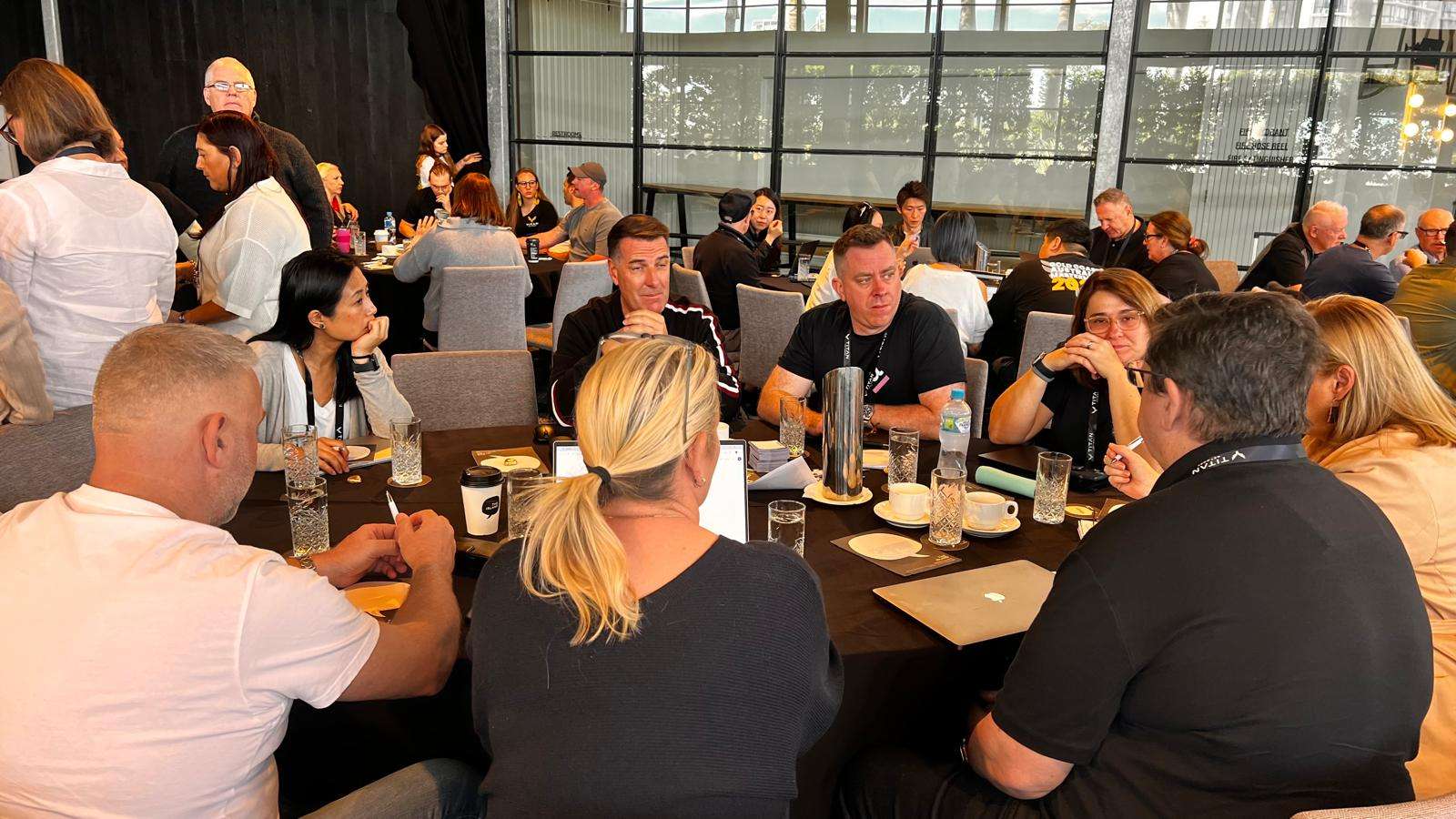
Scaling buying and selling facebook operations requires treating each platform component as part of an integrated profit system. The most successful sellers implement cross-platform inventory management where Facebook serves as both an acquisition channel for underpriced goods and a velocity outlet for Amazon overstock. For additional strategies, review this new playbook for winning at Facebook commerce.
Establish automated workflows that sync your Amazon inventory management system with Facebook listings. When Amazon stock levels hit predetermined thresholds, automatically generate Facebook Marketplace listings at calculated margins. This prevents capital tie-up while maintaining cash flow velocity. Use tools like Zapier or custom APIs to connect your existing Amazon seller tools with Facebook’s commerce APIs.
For acquisition, monitor Facebook Groups and Marketplace for wholesale lots, liquidation sales, and bulk inventory opportunities. Set up saved searches with specific keywords related to your product categories, then check these feeds twice daily during peak posting hours (7-9 AM and 6-8 PM local time).
Advanced Vehicle Transactions in Colorado
Vehicle sales on Facebook require specialized compliance protocols, particularly in Colorado where emissions and title transfer regulations are strictly enforced. Before listing any vehicle, verify current emissions certification through Colorado’s official testing network and ensure all recall notices have been addressed through NHTSA databases.
For title transfers, Colorado requires specific documentation timing. Sellers must provide signed title, completed bill of sale (Form DR2173), and odometer disclosure statement. Buyers have 24 hours to obtain temporary permits and 30 days to complete full registration. Remove license plates before handover and report the transfer online within 5 business days to avoid liability issues.
High-value vehicle transactions benefit from escrow services or Colorado-licensed dealer facilitation for added protection. For vehicles over $15,000, consider requiring pre-approved financing verification before showing the vehicle to serious buyers only.
Integration with Existing Amazon Operations
The most effective approach to buying and selling facebook inventory involves seamless integration with your current Amazon seller workflows. Use Facebook commerce as a testing ground for new product categories before committing to Amazon’s higher barrier-to-entry requirements and storage fees.
Implement a systematic approach: source products locally through Facebook Marketplace, test demand and pricing through Facebook Shops, then scale successful products to Amazon FBA once you’ve validated market demand. This reduces Amazon launch risks while building multiple revenue streams from the same inventory investments.
Track key metrics across both platforms: cost per acquisition, average selling price, time to sale, and total margin per SKU. This data reveals which products perform better on which platform, allowing you to optimize inventory allocation for maximum profitability. Facebook’s immediate feedback loops provide market intelligence that improves your Amazon product selection and pricing strategies.
Advanced Strategy: Use Facebook’s local market insights to identify regional demand patterns that inform your Amazon advertising geo-targeting and inventory distribution decisions.
Success in Facebook commerce requires the same systematic approach that built your Amazon business: consistent processes, data-driven decisions, and continuous optimization. The sellers who master buying and selling facebook alongside their Amazon operations create more resilient, profitable businesses with multiple profit centers working in synergy.
Frequently Asked Questions
How can established Amazon sellers leverage Facebook Marketplace to reduce inventory and increase cash flow?
Amazon sellers can use Facebook Marketplace to quickly offload excess inventory through zero-fee, local peer-to-peer sales, generating immediate cash flow without additional ad spend. This approach accelerates inventory turns while preserving healthy margins, especially on slow-moving SKUs, freeing up capital for reinvestment.
What are the key differences between Facebook Marketplace, Facebook Shops, and Buy & Sell Groups for commerce purposes?
Facebook Marketplace offers high-velocity, local transactions with no listing fees, ideal for quick inventory liquidation. Facebook Shops provide a branded storefront experience with scalable catalog management and integrated checkout, suited for building long-term customer relationships. Buy & Sell Groups operate as community-driven peer networks, enabling targeted niche sales and bulk transactions with strong social proof dynamics.
How does integrating Facebook commerce with existing Amazon operations help in systematic business scaling?
Integrating Facebook commerce diversifies revenue streams and reduces Amazon dependency risk by unlocking organic traffic and alternative sales channels. Synchronizing inventory management and SOPs across platforms improves operational efficiency, while peer accountability within networks like Titan Network ensures disciplined execution and consistent margin optimization.
What strategies and SOPs are recommended for maximizing profit margins and minimizing risks when selling on Facebook?
Implement advanced listing optimization focusing on keyword relevance and high-converting creatives to boost conversion rates. Use peer-to-peer retargeting tactics and dynamic pricing to protect margins. Establish SOPs for inventory allocation prioritizing high-margin SKUs and enforce risk management protocols such as transaction verification and dispute resolution workflows to safeguard cash flow.
Keep readingRead the Amazon operator playbook →