


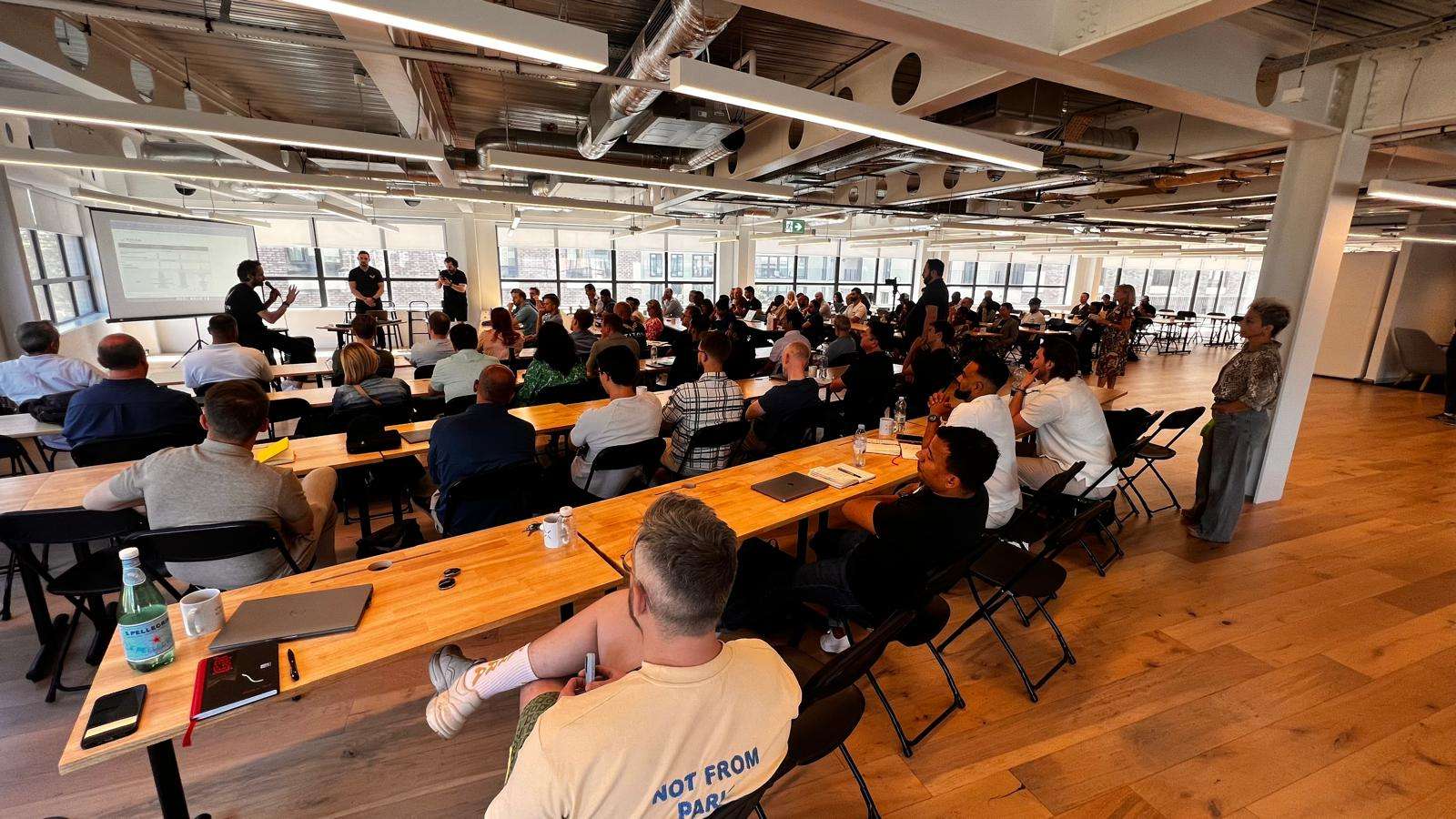
Best coaching ecosystems for mid-seven-figure Amazon sellers.
Beyond the Course: What a True Coaching Ecosystem for 7-Figure Amazon Sellers Actually Delivers
Operating a high-volume Amazon business requires specialized support that traditional courses cannot provide. When your brand generates millions in annual revenue, standard video tutorials and generic advice no longer move the needle. You need a comprehensive operational infrastructure designed specifically for your scale. Best coaching ecosystems for mid-seven-figure Amazon sellers deliver more than just high-level mentorship. They provide integrated systems, direct access to active eight-figure operators, and structural accountability to optimize your bottom line.
The Coaching Ecosystem Defined
A true coaching ecosystem is an integrated operational support structure. It combines peer accountability, proprietary standard operating procedures (SOPs), direct access to active eight-figure practitioners, and shared resources to systematically scale cash flow and enterprise value.
Defining the Coaching Ecosystem: More Than Just Mentorship
Standard masterminds often devolve into casual networking groups where sellers share superficial tips. A true ecosystem functions as an external operations department for your business. It delivers vetted, battle-tested solutions to complex problems, including supply chain disruptions, international expansion hurdles, and advanced Amazon DSP management. Instead of leaving you to figure out implementation alone, an ecosystem provides the exact templates, scripts, and workflows required for immediate execution.
The Core Pillars: Community, Systems, and Elite Expertise
An elite scaling environment stands on three distinct pillars. First, a curated community of true peers ensures that discussions focus on real operational problems, not basic Seller Central navigation. Second, a library of operational systems and SOPs lets you delegate critical tasks to your team with confidence. Third, coaches who currently run massive brands can confirm that the tactics are working now, not based on conditions from years ago.
Why Generic Advice Fails 7-Figure+ Sellers: The Growth Plateau Problem
At the seven-figure mark, obstacles shift from finding products to managing working capital, hiring key personnel, and defending market share against aggressive competitors. Generic Amazon training focuses on launch tactics and basic keyword research. Applying entry-level strategies to a mature business often leads to wasted ad spend, bloated inventory, and eroded profit margins. To break through growth plateaus, you must optimize operating cash flow and build a resilient supply chain.
The TitanOS Framework: Your Benchmark for an Elite Ecosystem
To scale systematically, you need a structured operational framework. Within Titan Network, we use the TitanOS framework to help sellers audit their businesses, identify hidden profit leaks, and build repeatable processes. This framework can serve as a benchmark for what high-level sellers should expect. It focuses on driving efficiency across every department, from product development to PPC optimization, turning the business from a chaotic daily grind into a structured, sellable asset.
Identifying the Elite: Top Coaching Ecosystems Built for Multi-Million Dollar Amazon Operations

Selecting the right partner to guide your scaling journey requires careful evaluation. Look beyond marketing claims and analyze the operational support that is actually provided. Best coaching ecosystems for mid-seven-figure Amazon sellers must include direct access to practitioners who manage businesses at or above your scale. That alignment keeps guidance grounded in constraints you face today, including cash conversion cycles, team structure, and inventory risk.
| Evaluation Criteria | Standard Masterminds | Elite Coaching Ecosystems |
|---|---|---|
| Coach Background | Former sellers or theoretical consultants | Active 8-figure brand owners and category leaders |
| Operational Resources | Generic PDFs and occasional webinars | Plug-and-play SOPs, sourcing offices, and hiring networks |
| Accountability Structure | Self-guided, informal check-ins | Dedicated program directors and structured milestones |
| Primary Focus | Top-line revenue growth | EBITDA maximization and enterprise value creation |
The Key Filter: Evaluating Coach Experience with $5M+ Businesses
Many self-proclaimed coaches have never scaled a brand past one million dollars, or they rely on methods that no longer fit the platform. When your business generates five million dollars or more, you face unique challenges with international tax compliance, complex supply chains, and multichannel logistics. Demand coaches who actively run eight-figure operations, since they are far more likely to provide guidance that maps to your current constraints and bottlenecks.
Beyond PPC: Assessing Breadth of Expertise (Supply Chain, Team, International)
Advertising optimization is only one piece of the scaling puzzle. An elite ecosystem should include deep expertise in global sourcing, freight consolidation, inventory management, and organizational design. If a program cannot help you negotiate better payment terms with overseas factories or support hiring a strong operations manager, it is not built for your level of business.
Community Strength: Peer-to-Peer Learning for Advanced Sellers
The value of a high-level network comes from the collective intelligence of its members. In an ecosystem of real seven-figure and eight-figure sellers, you gain access to a trusted brain trust. Members share vetted service providers, flag emerging competitor tactics, and collaborate on co-container shipping opportunities. This kind of collaboration is only possible when entry criteria are enforced and discussions stay operator-focused. Learn more about the foundational marketplace concept at the value of a high-level network.
Implementation Support: SOPs, Team Training, and Accountability Infrastructure
Knowledge without execution is useless. The main reason advanced sellers stall is a lack of time and follow-through. Elite ecosystems solve this problem by providing ready-to-use SOPs you can hand directly to team members. In addition, they can offer training resources for employees so PPC managers and logistics coordinators can upskill without consuming founder time.
Titan Network: A Case Study in Ecosystem Design
Consider the journey of a Titan member who joined our community while stuck at three million dollars in annual sales. By implementing our sourcing infrastructure and using our on-the-ground team in China, the member renegotiated product costs and improved gross margin by eight percent. That margin improvement increased available cash flow, which supported the launch of three new product lines, showing how operational depth beats surface-level advisory calls.
The ROI Calculation: Is a Coaching Ecosystem Worth the Investment for Your $5M+ Business?
Evaluating a high-level mastermind requires moving away from cost-based thinking and focusing on return on investment. For an enterprise generating five million dollars or more in annual revenue, even minor adjustments to supply chain, ad efficiency, or inventory management can produce meaningful returns. Best coaching ecosystems for mid-seven-figure Amazon sellers are not just an expense; they are a strategic investment that can improve EBITDA and help you prepare for an exit.
When analyzing the financial impact of structured guidance, consider the compounding effect of marginal gains. A two percent reduction in manufacturing costs, combined with a five percent reduction in wasted ad spend and a ten percent improvement in inventory turnover, can add significant profit back into cash flow. These outcomes are not guaranteed, but they are common targets when established brands apply disciplined operating systems.
The Enterprise Value Multiplier
In e-commerce, aggregators and private equity firms do not buy revenue; they buy clean, predictable EBITDA. A coaching environment that helps you move from a founder-dependent business to a systems-driven operation can increase valuation multiples during an acquisition, turning operational improvements into real exit value.
Quantifying Profit Drivers: How Ecosystems Improve EBITDA and Margin
To scale past five million dollars, focus on cash flow efficiency rather than vanity metrics. Strong programs target cost of goods sold (COGS) through consolidated shipping networks, factory negotiation processes, and tariff planning. Lower landing costs widen gross margins and can free up budget for higher-intent search terms, stronger creative testing, or deeper inventory positions on winning SKUs.
Time Savings and Operational Efficiency: Freeing Up Founder Time
Founder time is best spent on vision, product roadmap, and key partnerships, not troubleshooting inventory discrepancies or rebuilding basic PPC structures. A strong scaling environment reduces day-to-day drag by providing workflows, delegation plans, and standards for team execution. That structure supports a shift from primary operator to CEO, with more attention on decisions that protect margin and increase enterprise value.
Avoiding Costly Mistakes: The Price of Stagnation vs. Strategic Growth
At this scale, a single mistake can cost hundreds of thousands of dollars. Listing suspensions, flawed launches, or over-ordering inventory can create a cash crunch quickly. Access to experienced peers helps you pressure-test decisions before you commit capital, so you can spot pitfalls early and keep cash deployed in the highest-return initiatives.
Team Empowerment: Scaling Beyond the Founder’s Direct Involvement
You cannot build a multi-million-dollar brand alone. Sustainable scale requires training your team to make sound, data-driven calls without constant oversight. Best coaching ecosystems for mid-seven-figure Amazon sellers include training resources that your advertising managers, logistics coordinators, and product developers can use. When the team can execute to a clear standard, you reduce dependency on the founder and make the business easier to operate and easier to sell.
The True Cost of “Free” Advice: Why Cheap Options Lead to Expensive Setbacks
Relying on free forums, social media groups, or bargain coaching is risky for advanced operators. Advice in public channels is often outdated, incomplete, or geared toward first-time launches. Applying beginner tactics in competitive categories can erode margin fast, waste ad spend, and create long-term damage to brand health and operational consistency.
Your Decision Framework: Ecosystem vs. Agency vs. Internal Hire for Advanced Amazon Scaling
When planning the next stage of growth, decide how to allocate resources across strategy and execution. Many sellers struggle to choose between hiring an agency, recruiting full-time staff, or joining a coaching ecosystem. Each option changes management overhead, speed of execution, and how much know-how stays inside the company.
The right choice depends on your current bottlenecks. If you lack strategic direction and operating systems, adding more execution can amplify chaos. Best coaching ecosystems for mid-seven-figure Amazon sellers provide a blueprint and accountability so you can decide when agencies make sense and which roles belong in-house, all tied back to margin and exit goals.
Comparing Scaling Strategies
Pros of a Coaching Ecosystem
- Provides business strategy and peer accountability
- Delivers plug-and-play SOPs to train an existing team
- Offers platform-wide insights from active eight-figure operators
- Builds internal capability rather than long-term dependency on vendors
Cons of a Coaching Ecosystem
- Requires founder commitment to implement the plan
- Demands upfront time to install systems and standards
- Does not handle day-to-day tactical execution
When an Agency Falls Short: The Limits of Task-Based Support
Agencies execute specific tasks such as PPC management or creative production. Yet many lack full context on your cash cycle, supply chain constraints, and team capacity. An agency will not fix working capital management, improve factory terms, or build internal scorecards. Relying only on agencies can create disconnected initiatives, high retainers, and little long-term internal knowledge.
Building In-House: The Challenges of Talent Acquisition and Management
Recruiting, onboarding, and managing strong talent is expensive and time-consuming. Hiring a senior operator without clear SOPs and accountability can lead to slow progress and frustration on both sides. You also need ongoing training as Amazon changes, which increases management load and pulls attention away from higher-level decisions.
The Ecosystem Advantage: Integrated Strategy, Accountability, and Peer Growth
A coaching ecosystem combines strategy, operating resources, and peer accountability. That combination helps you build internal capability so knowledge and process stay inside the business. Over time, this approach reduces founder dependency and supports a healthier, more transferable operation.
A Hybrid Approach: Combining Ecosystems with Specialized Talent
Many eight-figure brands use a hybrid model. They join an ecosystem to install operating systems, raise decision quality, and get coaching from active operators. Then they route those standards to in-house team members and specialized agencies for execution. You keep control of the operating system while still moving fast on specialist work.
Next Step: Make a Decisive Move
Stagnation in e-commerce usually means slipping backward. If you are ready to stop guessing, find profit leaks, and scale alongside serious operators, take the next step. Apply to join Titan Network, and we will show you the systems, accountability, and peer support that can help you run a stronger, more valuable brand.
References
Frequently Asked Questions
What challenges do mid-seven-figure Amazon sellers face when trying to scale profitably?
At the seven-figure mark, the game changes. You’re no longer just finding products, you’re managing working capital, hiring key personnel, and defending market share against aggressive competitors. The real battle is optimizing operating cash flow and building a resilient supply chain to break through growth plateaus and avoid margin squeeze.
Why isn't generic Amazon advice effective for businesses generating millions in revenue?
Generic advice, often focused on launch tactics or basic keyword research, simply doesn’t move the needle for established brands. Applying entry-level strategies to a mature business can lead to wasted ad spend, bloated inventory, and eroded profit margins. Your obstacles are complex operational issues, not beginner-level tasks.
What distinguishes a true coaching ecosystem from a standard mastermind for advanced Amazon sellers?
A true coaching ecosystem functions as an external operations department, delivering vetted, battle-tested solutions to complex problems like supply chain disruptions or advanced Amazon DSP management. Standard masterminds often become casual networking groups, sharing superficial tips without providing the exact templates, scripts, and workflows needed for immediate execution.
What kind of expertise should coaches in an elite Amazon seller ecosystem possess?
For multi-million dollar operations, you need coaches who actively run eight-figure brands themselves. They should have deep expertise beyond PPC, covering global sourcing, freight consolidation, inventory management, and organizational design. This ensures their guidance maps directly to your current constraints and bottlenecks.
How do coaching ecosystems provide practical support for implementing strategies?
Elite ecosystems provide more than just knowledge, they deliver implementation support. This includes proprietary standard operating procedures (SOPs), direct access to active eight-figure practitioners, and shared resources. They give you the exact templates and workflows required for immediate execution, helping you delegate critical tasks with confidence.
What are the core components of an effective coaching ecosystem for high-volume Amazon businesses?
An elite scaling environment stands on three pillars: a curated community of true peers, a library of operational systems and SOPs, and coaches who currently run massive brands. This combination ensures discussions focus on real operational problems, allows confident task delegation, and confirms tactics are working now.
Keep readingRead inside the Titan community →