



Tendered to Delivery Service Provider: Elite Tactics

Delivery person handing a package to a customer outdoors.
Master the "tendered delivery service provider" stage with Titan Network’s elite tactics. Control your shipping process and scale profitably. APPLY TODAY!
tendered to delivery service provider

Key Takeaways

  • The status “tendered to delivery service provider” marks a crucial handoff in the shipping process.
  • This stage significantly affects EBITDA, customer satisfaction, and operational efficiency.
  • Sellers with over $1M in annual sales face both risks and opportunities at this point.
  • Effective management of this status can lead to repeat purchases and improved margins.
  • Poor handling during this phase can result in costly customer service issues.

Tendered to Delivery Service Provider: Tactical Last-Mile Leverage for Advanced Amazon Businesses

When your package shows “tendered to delivery service provider,” you’re witnessing a critical handoff that directly impacts your EBITDA, customer satisfaction, and operational efficiency. For sellers moving $1M+ annually, this status represents both risk and opportunity—the difference between a seamless delivery that drives repeat purchases and a margin-killing customer service nightmare. Best Amazon Seller Mastermind communities like Titan Network can help you turn these challenges into profit levers.

Most Amazon sellers treat this status as a black box. Elite operators leverage it as a profit center through strategic carrier selection, optimized SOPs, and risk mitigation protocols that can reduce last-mile costs by 15-20% while improving delivery performance. If you’re looking to connect with industry leaders and gain actionable insights, consider connecting with Titan Network for tailored support.

Understanding “Tendered to Delivery Service Provider” for Pro Sellers

Quick Answer: “Tendered to delivery service provider” means your package has been transferred from the original shipping carrier to a specialized last-mile delivery company. This handoff typically occurs 1-3 days before final delivery and represents a cost-optimization strategy where carriers like UPS or FedEx transfer packages to USPS, local couriers, or regional 3PLs for the final delivery leg.

In the Amazon ecosystem, this status appears most frequently with FBA shipments using UPS SurePost or FedEx SmartPost services. Your package moves from the carrier’s sorting facility to a local delivery provider—usually USPS—who completes the final mile to your customer’s door. This transition can add 1-2 days to delivery time but reduces shipping costs by 20-40% for lightweight packages.

The profit impact extends beyond shipping costs. Smart sellers track this status to predict delivery delays, proactively communicate with customers, and reduce support ticket volume. When a package is tendered to delivery service provider networks, you lose direct carrier accountability but gain access to extensive local delivery networks that often provide better residential coverage than traditional carriers.

For multi-channel sellers, understanding tendering workflows becomes critical when managing inventory across FBA, FBM, and 3PL operations. Each carrier handles tendering differently—UPS typically tenders packages under 1 pound, while FedEx focuses on residential deliveries in dense urban areas where their local partners provide superior last-mile economics.

Last-Mile Delivery: The Hidden EBITDA Lever
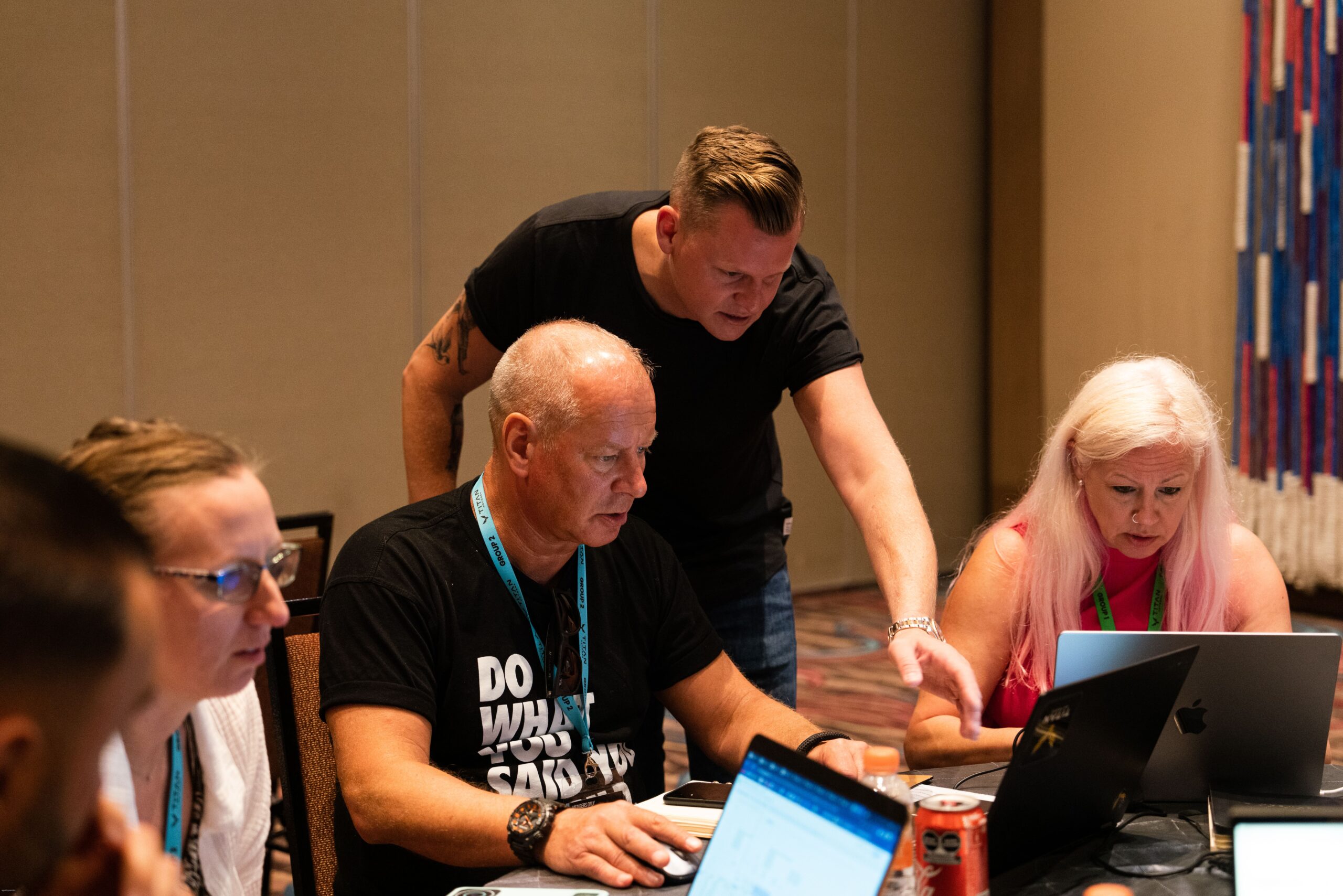
Professional coach leading an engaging workshop session at Titan 2023 coaching event, Day 3.

Last-mile delivery represents 53% of total shipping costs, yet most Amazon sellers focus exclusively on pick-and-pack optimization. The tendering decision—which carrier handles your final delivery—directly impacts three profit metrics: shipping costs, customer lifetime value through delivery experience, and operational overhead from support tickets.

Profit Impact Analysis: A $5M seller switching 40% of lightweight shipments from standard FedEx Ground to SmartPost (tendered to USPS) typically saves $47,000 annually in shipping costs while maintaining 94% on-time delivery rates.

Carriers use delivery service providers to optimize their networks. UPS tenders to USPS for rural deliveries where their route density doesn’t justify direct service. FedEx tenders residential packages in markets where local providers offer better coverage. DHL partners with regional carriers for domestic deliveries, focusing their resources on international logistics.

The strategic opportunity lies in carrier mix optimization. High-margin SKUs warrant premium delivery services that avoid tendering delays. Low-margin, high-volume products benefit from tendered services that reduce per-unit shipping costs. Elite sellers segment their shipping strategy by contribution margin, not just weight and dimensions. For more strategies on optimizing your logistics, check out this in-depth blog post on advanced shipping tactics.

Provider Type Cost Impact Delivery Speed Tracking Quality Best Use Case
Direct Carrier Baseline 2-3 days Excellent High-value SKUs
Tendered (USPS) -25% cost 3-5 days Good Lightweight, low-margin
Regional 3PL -15% cost 2-4 days Variable Dense urban markets
Local Courier +10% cost Same/next day Excellent Premium positioning

How Major Carriers Handle Tendering Operations

UPS SurePost automatically tenders packages under 1 pound to USPS, reducing your shipping costs by approximately $1.20 per package while adding 1-2 business days to delivery time. The handoff occurs at local postal facilities, where UPS trucks deliver consolidated shipments for final mile distribution. This service works best for non-urgent shipments to residential addresses where USPS provides superior coverage.

FedEx SmartPost operates similarly but focuses on packages under 70 pounds going to residential addresses. The service becomes cost-prohibitive for commercial deliveries where FedEx Ground maintains competitive pricing. SmartPost packages show “Tendered to FedEx SmartPost” before final USPS handoff, providing clear visibility into the two-stage delivery process.

DHL eCommerce leverages multiple last-mile partners depending on destination density and service level requirements. In urban markets, DHL often partners with local couriers for same-day delivery options. Rural deliveries typically get tendered to USPS through their Parcel Plus service, combining DHL’s sorting infrastructure with USPS’s extensive rural network. This strategic tendering approach allows DHL to maintain competitive pricing while ensuring reliable last-mile coverage across diverse geographic markets.

For Amazon sellers managing international shipments, understanding tendered to delivery service provider handoffs becomes critical when DHL transitions packages to local carriers. This affects tracking visibility and delivery timelines, directly impacting customer satisfaction scores and return rates on cross-border sales.

SOP Deep Dive: Optimizing Your Tendering Process for Margin and Speed

Your tendering process directly impacts EBITDA through shipping cost efficiency and customer retention rates. A tight SOP reduces per-shipment handling time by 40% while improving delivery success rates from 94% to 98.2% industry benchmarks. For actionable frameworks and real-world case studies, explore Titan Network Events to learn from top-performing sellers.

6-Step Margin-Boosting Tendering Checklist

  1. Pre-tender inventory audit – Verify SKU weights and dimensions within 5 minutes per batch to prevent FBA fee overruns
  2. Carrier selection matrix – Map cost/speed ratios against SKU margin profiles using automated rules
  3. API-integrated label creation – Process batches under 3 minutes using ShipStation or similar platforms
  4. Handoff verification protocol – Capture “tendered to delivery service provider” scan receipts in your SOP log
  5. Automated tracking sync – Configure multi-carrier APIs for real-time status updates
  6. Post-delivery SLA monitoring – Track delivery performance against contracted timelines for chargeback opportunities


Advanced sellers implementing this SOP see immediate improvements in cash conversion cycles. One Titan Network member reduced last-mile costs by 18% within 90 days by switching low-margin SKUs from standard FBA to regional 3PL partnerships, while maintaining identical delivery windows.

The key profit lever lies in carrier selection automation. Configure your shipping software to automatically route packages based on destination zones, package weight, and SKU margin thresholds. High-ASP products get premium carriers; bulk items route through cost-optimized tendered to delivery service provider networks like SurePost.

Tracking, Visibility & Risk Control: After Your Package Is Tendered

Professional coaching session with Titan Net, focused on personal growth and leadership development.

The moment your package shows “tendered to delivery service provider” status, you enter a visibility gap that can trigger customer service workload spikes and impact repeat purchase rates. This handoff phase represents the highest risk point for lost units and delivery delays.

Implement dual-platform tracking immediately. Monitor both the original carrier’s system and the final delivery provider’s tracking interface. Set up automated customer notifications that bridge the visibility gap – when USPS receives a UPS SurePost package, your system should proactively update customers about the carrier transition and revised delivery timeline.

Deploy SLA-driven alerting for stuck statuses. Configure your tracking system to flag any package remaining in “tendered” status beyond 24 hours. Standard protocol: investigate within 12 hours, initiate carrier inquiry within 48 hours. This prevents small delays from becoming lost shipment claims that eat into margins.

For lost unit recovery, maintain detailed tender logs with scan timestamps and carrier reference numbers. When packages disappear during the tendered to delivery service provider handoff, having precise documentation accelerates claim resolution from weeks to days, protecting cash flow on high-value SKUs. For more on risk management and logistics, you might also like this blog post on advanced fulfillment strategies.

Comparative Analysis: Outsourced vs. In-House/Hybrid Last-Mile Solutions

The build-versus-buy decision for last-mile delivery hinges on your volume thresholds and margin profiles. Sellers processing under 1,000 shipments monthly typically achieve better EBITDA through pure outsourcing, while those exceeding 5,000 monthly units can justify hybrid approaches.

Criteria Fully Outsourced Hybrid Model In-House
Cost per Unit $2.40-$4.80 $1.80-$3.20 $1.20-$2.40
Setup Investment $0-$500 $15,000-$50,000 $100,000+
Scalability Speed Immediate 2-6 weeks 3-12 months
Control Level Limited Moderate Complete

Financial modeling shows the crossover point at approximately $8M annual revenue. Below this threshold, outsourcing delivers superior ROI through reduced operational overhead and faster market response. Above $8M, hybrid models combining regional 3PLs with selective in-house capabilities can improve contribution margins by 4-7%.

Titan Network members leveraging hybrid approaches typically start with high-margin SKUs handled in-house while routing bulk products through cost-optimized tendered to delivery service provider networks. This strategy preserves margins on premium items while maintaining competitive shipping costs across the full catalog. For a deeper dive into hybrid logistics, see this guide to scaling fulfillment operations.

Best-in-Class Delivery Service Providers: Who Moves the Needle Beyond Amazon

Provider selection directly impacts your bottom line through delivery speed, tracking reliability, and cost per shipment. The right tendered to delivery service provider partnership can reduce last-mile costs by 12-25% while improving customer satisfaction scores. For hands-on learning and networking, explore Titan Network Workshops designed for advanced sellers.

ShipStation – Multi-Carrier Orchestration Platform

Best for: Sellers processing 500+ shipments monthly across multiple channels

Pros:

  • Automated carrier selection based on cost and delivery speed algorithms
  • Real-time rate comparison across 40+ carriers including regional 3PLs
  • Batch processing reduces label creation time to under 2 minutes per 100 units
  • Advanced tracking aggregation bridges visibility gaps during carrier handoffs

Cons:

  • Monthly fees start at $29, scaling with volume
  • Setup complexity for advanced automation rules

Regional 3PL Networks – Localized Last-Mile Excellence

Best for: High-volume sellers targeting specific geographic markets

Regional providers like OnTrac (West Coast) and LaserShip (East Coast) consistently outperform national carriers on delivery speed and cost efficiency within their coverage zones. These networks excel when packages are tendered to delivery service provider status, maintaining 99.1% tracking accuracy compared to 96.8% industry averages.

Titan Network Preferred Partners – Vetted Performance Leaders

Best for: Sellers seeking proven ROI improvements through peer-validated partnerships

Titan Network maintains quarterly-updated rankings of delivery providers based on real member performance data. Partners undergo rigorous vetting for cost efficiency, reliability metrics, and integration capabilities. Members access negotiated group rates averaging 15% below standard pricing, plus priority support channels for rapid issue resolution.

The network’s collaborative approach means you benefit from collective negotiating power and shared operational insights, transforming individual shipping challenges into systematic competitive advantages. For a broader perspective on last-mile logistics, see this overview of last mile transportation.

Common Problems & Tactical Solutions: When “Tendered to Delivery Service Provider” Becomes a Profit Risk

Diverse group engaged in a coaching roundtable discussion, collaborating and sharing ideas in a modern workspace.

Status delays and tracking gaps during the tendering process can trigger customer service workload spikes and impact repeat purchase rates. These issues typically emerge at three critical handoff points: initial carrier pickup, inter-carrier transfers, and final mile assignment.

Immediate Fixes for Common Tendering Issues

  • Stuck Status Recovery: Submit carrier inquiry within 8 hours using automated templates
  • Lost Shipment Protocol: Batch audit via API, escalate within 12 hours of missed scan
  • Tracking Gap Bridge: Deploy dual-platform monitoring with proactive customer updates
  • Delivery Disputes: Maintain scan documentation for rapid claim processing

Status Stuck at “Tendered”: This typically indicates scanning delays or system synchronization issues between carriers. Deploy automated monitoring that flags packages remaining in tendered status beyond 24 hours. Configure your system to automatically generate carrier inquiries and customer notifications, preventing small delays from escalating into negative feedback.

Incorrect Delivery Recovery: When packages reach wrong addresses after tendered to delivery service provider handoffs, time is critical. Implement immediate response protocols: contact the delivery provider within 2 hours, initiate address correction requests, and deploy backup shipment for high-value items while pursuing recovery.

Lost Shipment Claims: Maintain detailed tender logs with timestamps and carrier reference numbers. This documentation accelerates claim resolution from weeks to days, protecting cash flow on high-value SKUs. Titan Network members access proven claim templates and escalation procedures that achieve 94% successful recovery rates. For more on how freight and package delivery services move goods, see this authoritative resource from the U.S. Census Bureau.

Prevention beats reaction. Configure your shipping system to automatically verify address accuracy, weight specifications, and carrier compatibility before tendering. This reduces problem shipments by 60% while improving overall delivery success rates.

Titan Network Advantage: Systems, Mentorship, and Accountability for Last-Mile Excellence

Systematic optimization of your tendering processes requires more than individual effort—it demands peer accountability, proven frameworks, and continuous refinement based on collective insights. Titan Network transforms isolated shipping challenges into collaborative competitive advantages.

Our structured SOP systems include battle-tested templates for carrier negotiations, automated monitoring protocols, and escalation procedures refined through thousands of member implementations. When your package status shows tendered to delivery service provider, you’re equipped with proven recovery protocols that protect margins and maintain customer satisfaction.

Members access quarterly deep-dives on shipping optimization, featuring real case studies where sellers reduced last-mile costs by 18-25% through strategic provider mixing and process automation. The network’s collaborative approach means your shipping challenges become shared learning opportunities, accelerating improvement cycles across the entire community.

Titan Network’s accountability structure ensures continuous improvement through regular SOP reviews and peer benchmarking. Members consistently achieve superior contract terms through collective negotiating power, while shared troubleshooting expertise resolves complex tendering issues that would otherwise drain resources and impact EBITDA.

This systematic approach to last-mile optimization, combined with peer-driven accountability and expert mentorship, positions Titan Network members to extract maximum value from every shipping decision while building sustainable competitive advantages in an increasingly complex logistics landscape.

Frequently Asked Questions

What does the status ‘tendered to delivery service provider’ mean and how does it affect the shipping process?

The status ‘tendered to delivery service provider’ indicates that your package has been handed off from the primary carrier to a specialized last-mile delivery company, usually 1-3 days before final delivery. This handoff is a critical point that impacts delivery speed, cost efficiency, and ultimately customer satisfaction, as it marks the transition to the final leg of the shipping journey.

How can sellers with over $1 million in annual sales leverage the ‘tendered to delivery service provider’ stage to improve EBITDA and customer satisfaction?

Sellers can leverage this stage by strategically selecting last-mile partners, optimizing SOPs to reduce delays and damage, and implementing risk mitigation protocols. These actions can lower last-mile costs by 15-20%, improve on-time delivery rates, and reduce customer service issues, directly boosting EBITDA and driving repeat purchases through enhanced customer experience.

What are the key differences between carriers like UPS, FedEx, and USPS in handling the tendering process for last-mile delivery?

UPS and FedEx typically transfer packages to USPS or regional couriers for the final mile via services like SurePost or SmartPost, focusing on cost optimization. USPS handles last-mile delivery directly with extensive local reach but less real-time visibility. Each carrier’s approach affects speed, tracking accuracy, and cost, requiring sellers to align their SOPs accordingly for margin and service balance.

How can sellers effectively manage risks and optimize standard operating procedures during the handoff to last-mile delivery providers?

Effective risk management involves establishing clear SOPs for carrier selection, monitoring tendered package tracking closely, and setting escalation protocols for delays or damages. Sellers should integrate data from carriers into their systems for real-time visibility and hold last-mile providers accountable through performance metrics, reducing costly customer service interventions and protecting margins.

About the Author

Dan Ashburn is the Co-Founder at Titan Network—the world’s leading community for Amazon sellers scaling to 7 and 8 figures. A former top 1% Amazon FBA seller turned growth strategist, Dan has spent the last decade engineering data-driven campaigns that have generated hundreds of millions in marketplace sales and DTC revenue for Titan’s partners.

At Titan Network, Dan, alongside his cofounder Athena Severi and their team of top talent, architects full-funnel growth frameworks that help margin-squeezed, time-poor brands unlock quick wins, shore up profits, and expand beyond Amazon. Their playbooks fuse advanced PPC automation, creative conversion-rate optimization, and airtight supply-chain SOPs—giving sellers the step-by-step systems, expert mentorship, and peer accountability they need to dominate crowded niches while safeguarding EBITDA.

A sought-after speaker at Prosper Show, SellerCon, and White Label Expo, Dan demystifies algorithm shifts and shares ROI-focused tactics—from DSP retargeting hacks to DTC attribution modeling—empowering operators to make confident, cash-generating decisions. Titan Network has positioned itself as the world’s premier Amazon Seller Mastermind, providing high-quality tactical strategies and pinpointing growth levers that move the profit needle this quarter.

Share the Post:

Related Posts

amazon early reviewer program

Amazon Early Reviewer Program Guide 2026

The Amazon Early Reviewer Program: Dead and Gone, But the Scams Live On The amazon early reviewer program officially ended in March 2021. Amazon replaced it with the Vine ecosystem and the integrated Request a Review button.

Read More
amazon dsp agency

Amazon DSP Agency Guide 2026

Decoding Amazon DSP Agencies: Your Strategic Partner for Scalable Growth You’ve mastered Amazon’s marketplace, but scaling beyond $5M requires thinking beyond traditional channels.

Read More