



Sponsored Products Amazon 2026: Ultimate Seller Guide for Growth

Featured book cover with Amazon logo and Sponsored Products title design.
Dominate with sponsored products Amazon strategies designed for 7-8 figure sellers. Join Titan Network now to master campaigns and scale profitably. APPLY TODAY!

sponsored products on amazon

Key Takeaways

  • Sponsored products on Amazon are essential for sellers generating 7–8 figure revenues to maximize profitability.
  • These pay-per-click ads account for 88% of Amazon’s search-based advertising revenue.
  • Sponsored products effectively increase sell-through velocity and Buy Box win rates.
  • Understanding the mechanics of sponsored products directly improves EBITDA for Amazon sellers.

Sponsored Products on Amazon, The Ultimate Growth Engine for 7–8 Figure Sellers

If you’re running a 7–8 figure Amazon operation and not maximizing sponsored products on amazon, you’re bleeding margin. These pay-per-click units drive 88% of Amazon’s search-based ad revenue because they work, directly accelerating sell-through velocity, Buy Box win rates, and EBITDA for sellers who understand the mechanics.

Elite sellers use advanced campaign structures, dynamic bidding, and creative optimization to maximize Sponsored Products’ impact on Buy Box dominance and EBITDA growth.

The difference between amateur and elite execution isn’t budget size, it’s systematic optimization of every profit lever. From campaign architecture that scales with your inventory to bidding strategies that protect margin while driving volume, this playbook delivers the tactical frameworks your business needs to dominate. For those looking to connect with a community of high-level sellers, consider joining the Titan Network for expert support and networking.

The Strategic Value of Sponsored Products, Why They’re Non-Negotiable for Margin and EBITDA

Sponsored products on amazon function as direct accelerants of your most critical KPIs. These PPC units align perfectly with COGS calculations because you only pay when customers click, creating immediate attribution between ad spend and conversion potential. For established sellers, the math is compelling: average conversion rates of 9–12% with strategic ACOS management directly translating to measurable EBITDA impact.

The velocity component drives compounding returns. Higher click-through rates signal Amazon’s algorithm that your products deserve more organic visibility, creating a flywheel effect where paid performance amplifies organic rankings. This dual-channel growth protects you from algorithm changes while building sustainable competitive moats.

Eligibility, Buy Box Dominance, and Margin-Protecting Ad Readiness
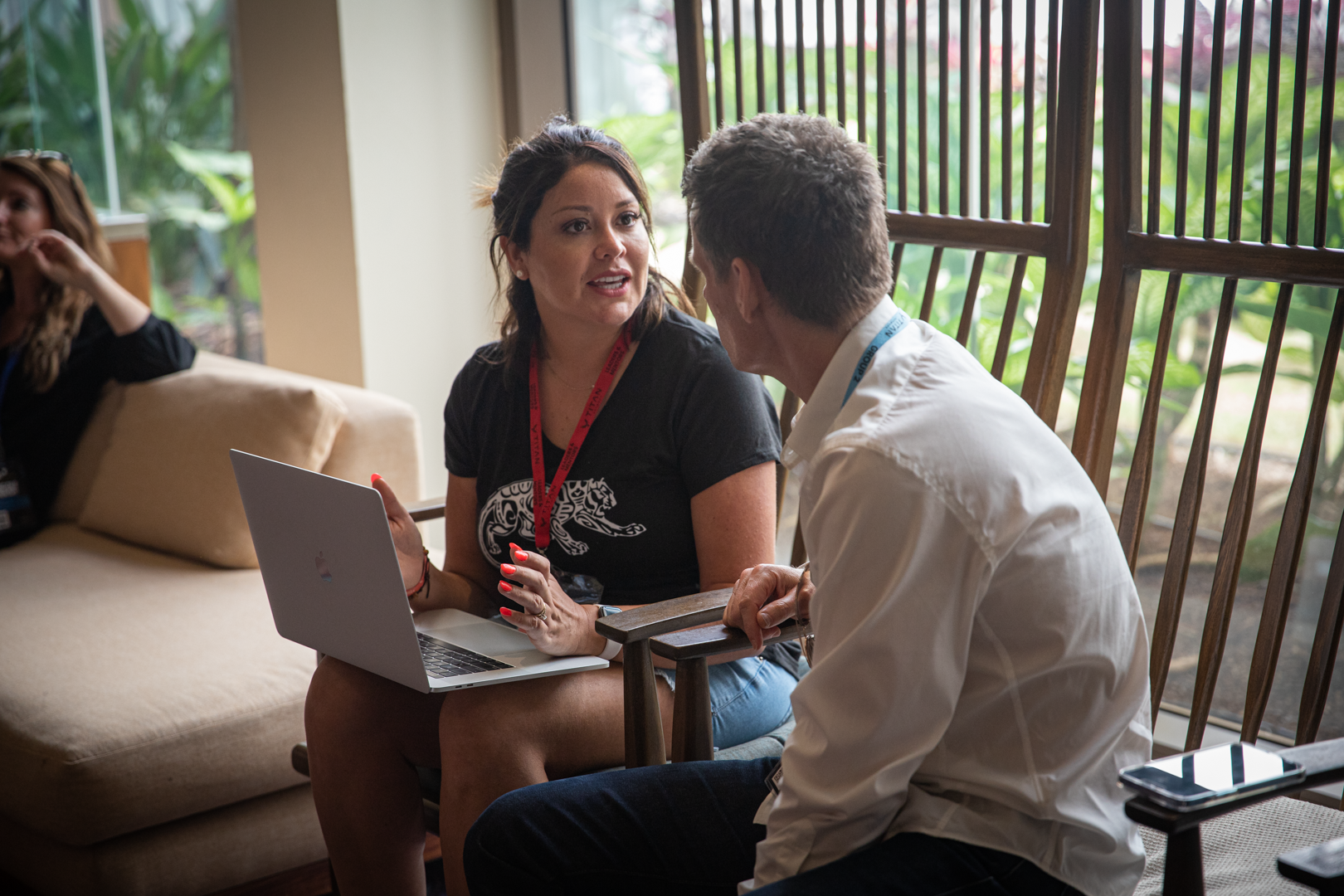
Professional 1-on-1 coaching session focused on personal growth and skill development with expert guidance.

Professional Seller account status is table stakes, but the real profitability driver is Buy Box consistency. Your share percentage directly impacts ad performance, lose the Buy Box mid-campaign, and your ACOS explodes while conversion rates crater. The mechanics are unforgiving: no Buy Box means clicks without conversions, turning profitable campaigns into margin destroyers.

Advanced sellers implement Buy Box monitoring SOPs that track pricing triggers, inventory velocity, and seller performance metrics in real-time. Your fulfillment method, customer service ratings, and shipping consistency all feed into the algorithm that determines ad profitability. A 0.1% drop in Buy Box share can shift a 15% ACOS campaign to 25%+ overnight.

Ad-Ready Checklist:

  • 90%+ Buy Box share over 30 days
  • 15+ reviews with 4.0+ average rating
  • Prime badge active and consistent
  • 30+ days inventory at current velocity
  • Contribution margin supports 20%+ ACOS

Category-specific eligibility requirements add another layer. Restricted categories require additional approvals, while competitive niches demand higher review thresholds for ad visibility. The key insight: audit eligibility monthly, not when campaigns underperform. Prevention protects profit better than reaction.

Campaign Architecture, Advanced Structures for Scale and ROI

Campaign factory methodology separates growing teams from stagnant operations. The systematic progression, Auto campaigns for keyword discovery, Manual Broad for volume testing, Phrase for intent refinement, Exact for profit maximization, creates data flow that compounds over time. Each campaign type serves a specific profit function, not just traffic generation.

Budget allocation by SKU profitability, not aggregate spend, drives superior EBITDA outcomes. High-margin products justify aggressive bidding in Exact match campaigns, while volume drivers get broader keyword exposure through Auto campaigns. This SKU-first approach prevents profitable products from subsidizing underperformers.

Negative keyword management operates as your margin protection system. Systematic exclusions, broad terms that generate clicks without conversions, competitor brand names, irrelevant modifiers, prevent budget waste before it impacts ACOS. Advanced sellers implement weekly negative keyword harvesting, moving non-converting terms from expensive match types to exclusion lists. For more advanced strategies, explore this blog on optimizing Amazon campaigns.

Business Size Campaign Structure Budget Allocation Optimization Frequency
$1-3M Annual Auto + Manual Exact 70% Exact, 30% Auto Weekly
$3-10M Annual Full Match Type Funnel 50% Exact, 30% Phrase, 20% Auto Daily
$10M+ Annual Segmented by Margin Tier Custom by SKU Profitability Real-time

Product targeting campaigns unlock competitive advantages that keyword-only strategies miss. ASIN targeting lets you intercept traffic from direct competitors, while category targeting captures broader market share during peak seasons.

Bidding, Budgeting, and Dynamic Optimization, Protecting Every Point of Margin

Dynamic bidding separates profitable campaigns from cash drains. Use “Down Only” for new campaigns where you’re testing conversion rates, this prevents Amazon from inflating your bids above break-even. Switch to “Up and Down” only after you’ve confirmed strong ACOS performance and want to maximize impression share during peak hours.

Budget allocation demands SKU-level thinking, not portfolio averages. Allocate 60% of daily budgets to your top 20% converting keywords, then use dayparting to concentrate spend during your highest-converting hours. Most sellers see 15-25% ACOS improvement by pulling budgets from 6 PM-midnight when competition peaks but conversion rates drop. To further enhance your approach, check out these Titan Network Events for actionable workshops and networking opportunities.

Placement adjustments unlock hidden margin. Boost top-of-search by 50-100% for exact match campaigns with proven conversion rates above 15%. Product pages typically convert 20-30% higher than search results, increase those bids accordingly. Rest-of-search placements often waste budget; reduce by 25-50% unless you’re defending against aggressive competitors.

3 Ways to Cut Wasted Spend Before Noon Each Day

  • Set automated rules to pause keywords with spend >3x your target ACOS and zero conversions
  • Review Search Term Reports for irrelevant traffic and add negative keywords immediately
  • Check campaign budgets, if any campaign spent 100% by 10 AM, either increase budget or reduce bids

Metric Electronics Home & Kitchen Health & Personal Care Sports & Outdoors
Target ACOS 15-25% 20-35% 25-40% 18-30%
Average CVR 8-12% 12-18% 10-15% 9-14%
Typical CPC Range $0.75-$2.50 $0.45-$1.80 $0.60-$2.20 $0.55-$1.95

Three professionals analyze charts, sketch logos, and review network maps in a bright co-working loft.

Sponsored Products excel at bottom-funnel conversions with 9-15% average conversion rates, while Sponsored Brands capture top-funnel awareness with 2-4% CVR but superior brand recognition metrics. Sponsored Display targets audiences beyond Amazon, delivering 3-7% CVR but extending your reach to 165+ million monthly users across the web. For additional insights on leveraging external platforms, you might find this blog on selling on Facebook Marketplace helpful.

Cost structures favor different objectives. Sponsored Products typically run $0.50-$2.00 CPC with direct conversion tracking, while Sponsored Brands command $0.75-$3.50 CPC but drive long-term brand equity. Display ads cost $0.40-$1.50 CPC with 14-day view-through attribution, making them ideal for retargeting and cross-selling existing customers.

Feature Sponsored Products Sponsored Brands Sponsored Display
Targeting Depth Keywords + ASINs Keywords + Categories Audiences + Interests + ASINs
Creative Control Product images only Custom headlines + logos Full creative assets
Conversion Rate 9-15% 2-4% 3-7%
Attribution Window 7 days click 7 days click 14 days view + click
Brand Registry Required No Yes No
Placement Reach Amazon search + product pages Amazon search + brand stores Amazon + 165M+ external sites

Deploy Sponsored Products for immediate revenue and market share defense. Use Sponsored Brands when launching new products or building category authority, the headline space lets you communicate unique value propositions. Reserve Display for retargeting cart abandoners and cross-selling complementary products to existing customers.

Which Amazon Ad Unit Should You Scale First?

Start with Sponsored Products for immediate ROI and cash flow, then layer in Sponsored Brands once you’re spending $10K+ monthly and need brand differentiation. Add Display last when you have sufficient conversion data to build effective retargeting audiences.

Creative and CRO for Sponsored Product Wins, From Click to Cart at Scale

Your main image determines 70% of click-through rates on sponsored products on Amazon. Use lifestyle shots showing your product in action rather than sterile white backgrounds, conversion rates jump 23-35% when customers visualize product usage. Include size references, multiple angles, and benefit-focused overlays that highlight your unique selling proposition within the first 0.3 seconds of viewing.

A+ Content becomes your conversion multiplier for paid traffic. Create comparison charts showing your product versus competitors, include detailed dimension guides, and add video demonstrations. Sellers using enhanced A+ Content see 15-25% higher conversion rates on sponsored traffic because visitors arrive pre-qualified and ready to evaluate specific features. For more tips on optimizing your Amazon listings, see this blog post.

Title optimization for ads requires different tactics than organic listings. Lead with your primary benefit, include relevant keywords naturally, and maintain readability under 200 characters. Test variations every 30 days, even 2-3% CVR improvements compound into significant EBITDA gains at scale.

5 Conversion Factors to Update by Next Monday

  • Replace white background main images with lifestyle shots showing product benefits
  • Add size comparison objects to images (coins, hands, common items)
  • Update bullet points to address top 3 customer objections from reviews
  • Include guarantee/warranty information above the fold
  • Test price anchoring with bundle offers or quantity discounts

User-generated content integration amplifies trust signals. Pull high-quality customer photos into your image stack and feature authentic reviews prominently. UGC-enhanced listings convert 28% better than brand-only content because sponsored traffic trusts peer validation over marketing claims.

Analytics, Attribution, and Scaling, Unlocking True ROI for Advanced Sellers

Blended ACOS reveals your true advertising efficiency across organic and paid channels. Calculate total ad spend divided by total revenue (including organic sales lift) to understand full-funnel impact. Most successful sellers maintain 15-25% blended ACOS while individual campaigns may run higher, knowing that sponsored products on Amazon drive significant organic ranking improvements.

TACOS (Total Advertising Cost of Sale) measures ad spend against total business revenue, providing portfolio-level health metrics. Target 8-15% TACOS for mature brands, allowing room for aggressive expansion campaigns while protecting overall profitability. Use TACOS trending to identify when to scale budgets or pause underperforming initiatives.

Attribution Model Best Use Case Tracking Window Key Limitation
Last-Click Attribution Direct response campaigns 7 days Ignores assist value
View-Through Attribution Brand awareness measurement 14 days Overattributes display impact
Multi-Touch Attribution Full-funnel optimization 30+ days Complex implementation
Incrementality Testing True lift measurement 90+ days Requires significant volume

Scaling frameworks prevent profitable campaigns from hitting performance cliffs. Double budgets when ACOS remains stable for 14+ days and conversion rates exceed category benchmarks. Implement 20% budget increases weekly rather than massive jumps, this maintains keyword quality scores and prevents bid inflation.

Top 3 Analytics Questions for Scaling Sellers

  • Is my organic ranking improving for keywords I’m advertising on? (Check Brand Analytics weekly)
  • What’s my true customer acquisition cost including lifetime value and repeat purchases?
  • Which campaigns are cannibalizing organic sales versus driving incremental revenue?

Troubleshooting & Profit Rescue, Solving Expensive Sponsored Products Pain Points

Focused professional working at a modern desk with tech tools, notebooks, and warm lighting.

Ads not showing typically stem from four root causes: insufficient bids, inventory issues, Buy Box loss, or policy violations. Check your bid competitiveness using Seller Central’s suggested bid ranges, ensure 30+ days inventory, verify Buy Box ownership above 90%, and review any account health notifications that might trigger ad suppression. For further reading on tracking pricing and sales history, see this blog about CamelCamelCamel.

High ACOS with low conversion rates signals targeting or creative problems, not bid issues. Analyze search term reports for irrelevant traffic, add negative keywords aggressively, and test different main images. If ACOS exceeds break-even by 50%+ for 7+ days, pause campaigns and fix fundamentals before burning more budget.

Sudden conversion rate drops often correlate with competitor actions or seasonal shifts. Monitor competitor pricing, review recent negative reviews, and check if new competitors entered your space. React within 48 hours, conversion rate drops compound quickly and damage organic rankings if left unchecked.

Last-Chance Profit Rescue Before You Pause


Secure Your Spot →

Frequently Asked Questions

How do Sponsored Products on Amazon directly impact a seller’s EBITDA and overall profitability?

Sponsored Products drive targeted traffic that converts at 9–12%, ensuring ad spend translates directly into sales velocity and margin expansion. By paying only per click, sellers maintain tight control over ACOS, enabling precise EBITDA improvements through scalable, ROI-driven campaigns that accelerate Buy Box wins and inventory turnover.

What role does Buy Box dominance play in the effectiveness and margin protection of Sponsored Product campaigns?

Buy Box dominance is critical because Sponsored Products ads only run on Buy Box-eligible listings, making it a gating factor for ad visibility and conversion. Maintaining Buy Box control protects margins by ensuring your ads drive sales at your optimized price point, preventing margin erosion from losing the Buy Box to lower-priced competitors.

What advanced strategies can sellers use to optimize bidding, budgeting, and campaign architecture for Sponsored Products?

Elite sellers implement layered campaign structures separating branded, competitor, and generic keywords to isolate performance and allocate budget efficiently. Dynamic bidding strategies, like down-only or fixed bids, protect margin by adjusting spend based on placement and conversion likelihood. Regular budget reallocation toward high-ACOS-reducing campaigns ensures cash flow efficiency and sustained scale.

How does maintaining eligibility criteria like Professional Seller status and Prime badge influence Sponsored Product ad performance?

Eligibility criteria such as Professional Seller status and Prime badge are prerequisites for running Sponsored Products and directly affect ad competitiveness and Buy Box eligibility. Prime-eligible listings benefit from higher conversion rates and better ad placements, amplifying Sponsored Product effectiveness and protecting margin by attracting premium, conversion-ready traffic.

About the Author

Dan Ashburn is the Co-Founder at Titan Network, the world’s leading community for Amazon sellers scaling to 7 and 8 figures. A former top 1% Amazon FBA seller turned growth strategist, Dan has spent the last decade engineering data-driven campaigns that have generated hundreds of millions in marketplace sales and DTC revenue for Titan’s partners.

At Titan Network, Dan, alongside his cofounder Athena Severi and their team of top talent, architects full-funnel growth frameworks that help margin-squeezed, time-poor brands unlock quick wins, shore up profits, and expand beyond Amazon. Their playbooks fuse advanced PPC automation, creative conversion-rate optimization, and airtight supply-chain SOPs, giving sellers the step-by-step systems, expert mentorship, and peer accountability they need to dominate crowded niches while safeguarding EBITDA.

A sought-after speaker at Prosper Show, SellerCon, and White Label Expo, Dan demystifies algorithm shifts and shares ROI-focused tactics, from DSP retargeting hacks to DTC attribution modeling, empowering operators to make confident, cash-generating decisions. Titan Network has positioned itself as the world’s premier Amazon Seller Mastermind, providing high-quality tactical strategies and pinpointing growth levers that move the profit needle this quarter.

Last reviewed: October 10, 2025 by the Titan Network Team
Share the Post:

Related Posts

amazon early reviewer program

Amazon Early Reviewer Program Guide 2026

The Amazon Early Reviewer Program: Dead and Gone, But the Scams Live On The amazon early reviewer program officially ended in March 2021. Amazon replaced it with the Vine ecosystem and the integrated Request a Review button.

Read More
amazon dsp agency

Amazon DSP Agency Guide 2026

Decoding Amazon DSP Agencies: Your Strategic Partner for Scalable Growth You’ve mastered Amazon’s marketplace, but scaling beyond $5M requires thinking beyond traditional channels.

Read More