Scaling system vs community network for Amazon sellers.
The Core Divide: What Exactly Is a “Scaling System” vs. a “Community Network” for Amazon Sellers?
When you’re running a seven-figure Amazon business, choosing between structured growth frameworks and peer networks isn’t academic. It’s the difference between predictable growth and hoping your next breakthrough comes from a Facebook group post.
Deconstructing the “Scaling System”: Frameworks, SOPs, and Predictable Growth
A scaling system is your business blueprint. Documented SOPs for inventory management, PPC optimization workflows, and supplier relationship protocols. Think systematized product launches where every step. From keyword research to DSP campaigns. Follows proven frameworks.
Systems eliminate guesswork. When your VA knows exactly how to handle a negative review, or your PPC manager follows standardized bid adjustment protocols, you’re building predictable profit margins.
Understanding the “Community Network”: Beyond Casual Connections
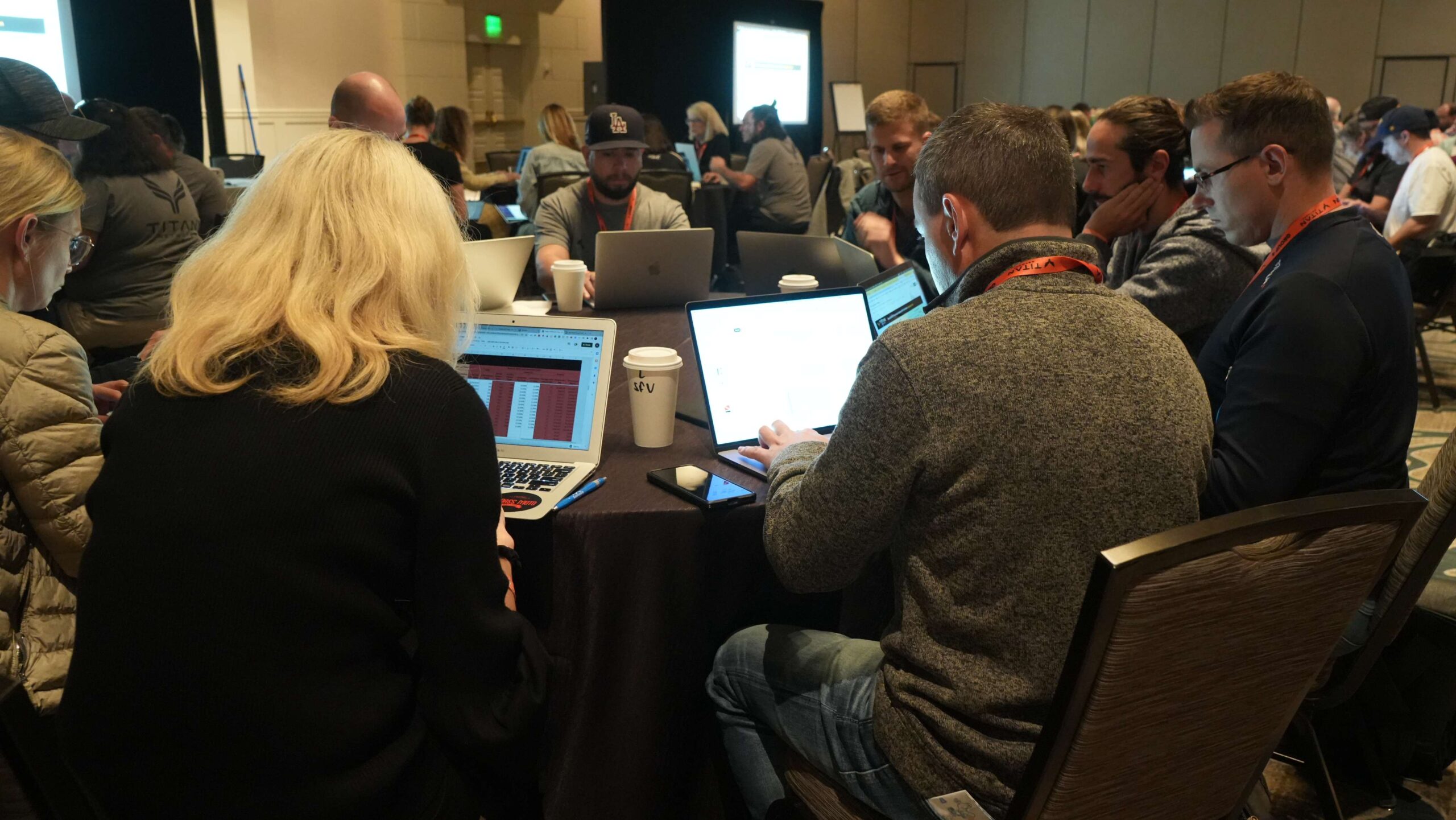
A community network isn’t your typical seller group sharing basic tips. It’s verified sellers at your revenue level sharing real-time market intelligence, troubleshooting complex supply chain issues, and holding each other accountable to growth targets.
True networks provide collective problem-solving power. When Amazon changes attribution windows or new compliance requirements surface, you get intel from sellers who’ve already navigated the challenge.
The Fundamental Difference: Automation vs. Human Intelligence
Systems automate what you know works. Communities surface what you don’t know exists. Your PPC automation handles bid management, but your network reveals the DSP retargeting strategy that boosted someone’s ROAS by 40%.
Key Insight: Systems scale your current knowledge. Communities expand your knowledge to scale.
The Engine of Efficiency: Why a Structured Scaling System Drives Predictable Profit
Standardization as a Profit Driver: Eliminating Costly Errors
Every manual decision costs you money. When your team follows standardized processes for inventory forecasting, you avoid both stockouts and excess carrying costs. Documented supplier communication protocols prevent quality issues that tank your conversion rates.
One seller reduced operational errors by 60% after implementing systematic quality control checkpoints, adding $180K annually to their bottom line.
The Power of SOPs: From Chaos to Cash Flow
SOPs transform reactive firefighting into proactive profit generation. Your keyword research SOP supports consistent product launches. Your customer service SOP maintains review ratings that protect organic ranking.
Without systems, you rebuild solutions for recurring problems. With them, your team executes while you focus on strategic growth initiatives.
Automation’s Role in Margin Expansion and EBITDA Improvement
Smart automation targets high-impact, repetitive tasks. Automated PPC rules adjust bids based on performance thresholds. Inventory management systems trigger reorders at optimal points, maintaining cash flow velocity.
The Titan Network approach combines proven systems with custom-built Titan Tools that automate decision-making processes most sellers handle manually, freeing up time for strategic initiatives.
The Collective Intelligence: How a Community Network Fuels Breakthroughs and Accountability
Problem-Solving Powerhouses: Tackling Complex Challenges Together
When Amazon updates its algorithm or new compliance requirements surface, individual sellers scramble. Community networks mobilize collective intelligence. You access real-time solutions from sellers who’ve already navigated the challenge, rather than waiting for blog posts or courses to catch up.
Complex problems require diverse perspectives. Your logistics background might solve someone’s supply chain issue, while a peer’s PPC expertise solves your attribution challenge. This cross-pollination generates solutions no single seller could develop alone.
The Peer Accountability Advantage: Staying on Track When It Matters Most
Accountability transforms intentions into results. When you commit to launching three new ASINs this quarter in front of peers at your revenue level, you execute. Public commitments to growth targets create pressure that internal deadlines rarely match.
This works because it’s mutual. You’re not just receiving feedback. You’re providing it. This reciprocal relationship creates investment in everyone’s success.
Unlocking Hidden Opportunities: Insights Beyond Your Own Four Walls
Your market research has blind spots. Networks reveal opportunities you’d never discover independently. A seller in home goods shares a supplier relationship that transforms your cost structure. Another reveals an emerging category before competition saturates it.
Market intelligence flows faster through networks than through formal research. You get actionable insights weeks or months before they appear in industry reports.
Beyond Networking: The “Mastermind” Effect for Growth Plateaus
Growth plateaus happen when your current knowledge reaches its limits. Networks break these ceilings by introducing strategies outside your experience. The seller who scaled through international expansion shares tactical insights your domestic focus wouldn’t generate.
True mastermind environments challenge your assumptions. When peers question your pricing strategy or suggest alternative PPC approaches, you discover growth drivers you might’ve missed.
Bridging the Gap: When Systems and Community Networks Become Indispensable
The Synergistic Sweet Spot: Where Systems Meet Human Insight
Elite sellers don’t choose between structured frameworks and peer networks. They integrate both. Your systems provide operational consistency while your community provides strategic evolution. Systems execute what works; communities reveal what’s next.
Integration strengthens both approaches. Community insights become systematized processes. System performance data becomes community discussion topics that generate optimization strategies.
Identifying Your Business’s Current Need: System-First or Community-First?
Operational chaos demands systems first. If your team lacks consistent processes or you’re constantly firefighting, systematization creates the foundation for sustainable growth. Community insights can’t compensate for operational inefficiency.
Strategic stagnation calls for community input. If operations run smoothly but growth has plateaued, fresh perspectives and accountability drive breakthrough thinking. Systems alone won’t produce the new approaches needed to break through revenue ceilings.
The Titan Network Model: Proven Systems Supported by an Elite Community
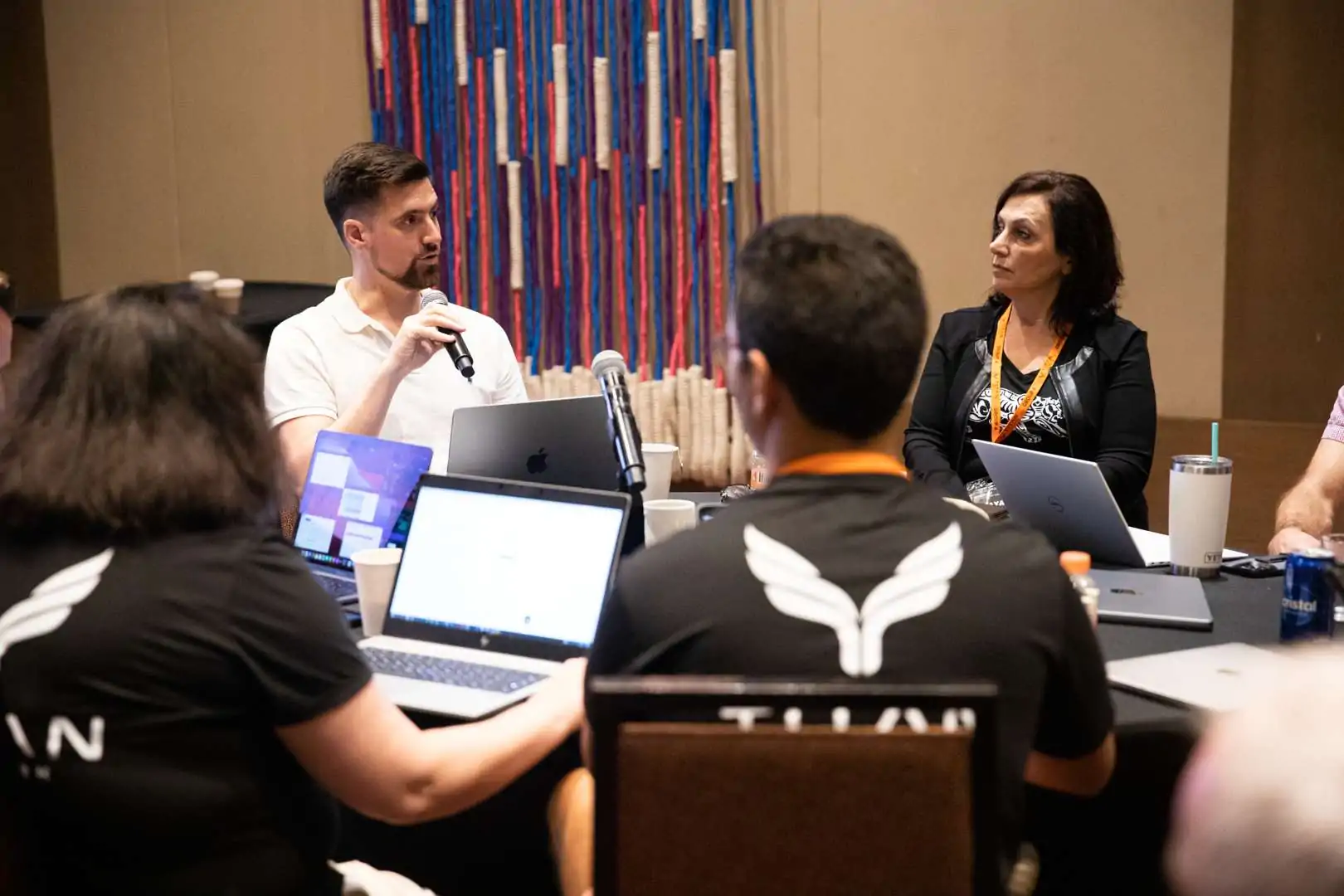
The Titan Network Model addresses the integration challenge by combining systematized growth frameworks with verified seller communities. Members access the TitanOS Playbook for operational consistency while participating in weekly mentoring huddles for strategic insights and accountability.
This dual approach removes the forced choice. You implement proven SOPs while gaining access to collective intelligence from sellers generating billions in combined revenue. Custom-built tools automate execution while community interactions drive innovation.
Beyond the Obvious: Unseen Pitfalls and Advanced Integration Strategies
The “System Trap”: Over-Reliance and Stifled Innovation
Pure system dependence creates dangerous rigidity. When market conditions shift rapidly, sellers locked into rigid SOPs miss opportunities. Your automated PPC rules might optimize for yesterday’s competitive environment while missing today’s emerging keywords.
Systems excel at scaling proven strategies but struggle with market disruption. The seller who systematized everything perfectly for 2022’s market saw conversion rates drop in 2023 because the system didn’t adapt to changing consumer behavior patterns.
Warning: Systems without human oversight can create profit-killing autopilot behavior.
The “Community Echo Chamber”: When Groupthink Hinders True Growth
Networks can reinforce outdated thinking. When everyone shares similar backgrounds or focuses on the same categories, you get consensus around strategies that may be losing effectiveness. The group validates approaches that feel comfortable rather than challenging assumptions.
Echo chambers also create false urgency around trending tactics. Just because ten sellers are excited about a new PPC feature doesn’t mean it fits your business model or customer base. Community enthusiasm can override analytical decision-making.
Strategic Integration: Orchestrating Systems and Community for Elite Performance
Elite integration treats systems as your operational backbone and community as your strategic intelligence network. Your systems handle execution consistency while community insights drive system evolution. This creates adaptive operations that maintain efficiency while embracing innovation.
The integration sequence matters. Community insights should inform system updates, not system replacements. When peers share successful attribution modeling approaches, test and systematize the winners rather than abandoning your current framework entirely.
Measuring ROI Beyond Sales: The True Impact on Business Value
Traditional ROI calculations miss the compounding effects of integrated approaches. Systems reduce operational costs and error rates, improving EBITDA margins. Communities speed up strategic decision-making, reducing time-to-market for new initiatives.
Business value extends beyond current revenue. Systematized operations increase acquisition appeal for potential buyers. Strong community relationships provide deal flow opportunities and strategic partnerships that pure systems can’t generate.
The most successful Amazon sellers recognize this isn’t an either-or decision. They build systematic operational excellence while maintaining access to collective intelligence that drives continuous strategic evolution. This combination creates sustainable competitive advantages that individual approaches can’t match.
Frequently Asked Questions
What's the main difference between a scaling system and a community network for Amazon sellers?
A scaling system is your business blueprint, using documented SOPs and workflows for predictable growth. A community network connects verified sellers at your revenue level for real-time market intelligence and collective problem-solving. Systems automate what you know works, while communities surface what you do not know exists.
How do scaling systems help Amazon businesses grow predictably?
Scaling systems drive predictable growth by standardizing operations with documented SOPs for tasks like inventory and PPC. This eliminates guesswork and costly errors, directly improving profit margins. Automation within these systems also frees up time for strategic initiatives.
What kind of problems can a community network solve for established Amazon sellers?
Community networks help solve complex issues like algorithm changes or new compliance requirements by providing real-time solutions from peers who have already navigated them. This collective intelligence offers diverse perspectives and insights no single seller could develop alone.
Can Amazon sellers truly expand their knowledge through a community network?
Absolutely. Community networks expand your knowledge by revealing opportunities and strategies you would not discover independently. You gain market intelligence faster than formal research, accessing insights weeks or months before they appear elsewhere. This external perspective becomes a competitive advantage.
How can Amazon sellers avoid common operational mistakes that hurt profit?
To avoid costly operational mistakes, implement a structured scaling system with documented SOPs for every critical task. Standardized processes for inventory forecasting, supplier communication, and quality control prevent errors that reduce profit margins and conversion rates. This transforms reactive firefighting into proactive profit generation.
What is the role of automation in improving margins for Amazon businesses?
Automation targets high-impact, repetitive tasks, directly improving margins and cash flow. Automated PPC rules adjust bids based on performance, and inventory systems trigger reorders at optimal points. This frees up time from manual decision-making for strategic growth initiatives.
Do successful Amazon sellers choose between a scaling system or a community network?
Elite Amazon sellers do not choose one over the other; they integrate both. The most successful businesses combine the predictable growth from a structured scaling system with the breakthrough insights and accountability from a community network. This synergistic approach maximizes growth potential.
About the Author
Dan Ashburn is the Co-Founder at Titan Network. The world’s leading community for Amazon sellers scaling to 7 and 8 figures. A former top 1% Amazon FBA seller turned growth strategist, Dan has spent the last decade engineering data-driven campaigns that have generated hundreds of millions in marketplace sales and DTC revenue for Titan’s partners.
At Titan Network, Dan, alongside his cofounder Athena Severi and their team of top talent, architects full-funnel growth frameworks that help margin-squeezed, time-poor brands unlock quick wins, shore up profits, and expand beyond Amazon. Their playbooks fuse advanced PPC automation, creative conversion-rate optimization, and airtight supply-chain SOPs. Giving sellers the step-by-step systems, expert mentorship, and peer accountability they need to dominate crowded niches while safeguarding EBITDA.
A sought-after speaker at Prosper Show, SellerCon, and White Label Expo, Dan demystifies algorithm shifts and shares ROI-focused tactics. From DSP retargeting hacks to DTC attribution modeling. Empowering operators to make confident, cash-generating decisions. Titan Network has positioned itself as the world’s premier Amazon Seller Mastermind, providing high-quality tactical strategies and pinpointing growth levers that move the profit needle this quarter.