
Key Takeaways
- Prioritize efforts on areas where the EBITDA multiplier has the greatest impact rather than pursuing badges indiscriminately.
- Analysis of over three years of FBA data provides insights tailored to maximizing profitability.
- Targeting a margin sweet spot of 15-25% is crucial for optimizing earnings.
- Focusing on profit-driven strategies yields better results than chasing superficial achievements.
Table of Contents
- What Amazon’s Choice Really Means – And Why It’s Your Margin Multiplier
- How the Algorithm Picks Winners – Reverse-Engineer It for Your Listings
- Step-by-Step: Qualify Your ASINs for Amazon’s Choice in Under 30 Minutes
- Amazon’s Choice vs. Other Badges: Which Drives Your Real Profits?
- Troubleshooting: Fix Choice Denials and Maximize EBITDA Impact
- Scale Beyond Amazon’s Choice – Full-Funnel Systems for $10M+ Growth
- The Verdict: Maximize Your Amazon Choice Profit Impact
- Future-Proofing Your Amazon Choice Strategy
What Amazon’s Choice Really Means – And Why It’s Your Margin Multiplier
You’re plateauing at $1M+ despite solid listings – traffic flows, but conversions stall amid choice overload. Amazon choice cuts through that noise with algorithmic precision. Launched in 2015 for Echo and expanded across all categories by 2016, this badge highlights highly rated products (4.5+ stars minimum) that are competitively priced, Prime-eligible, and ship fast.
The EBITDA impact is immediate: we’ve tracked 15-30% conversion lifts on qualifying listings without additional PPC spend. One $5M seller client reclaimed 12% margin by prioritizing Choice-eligible bundles over scattered inventory. The badge signals trust to buyers and edges out competitors in search – it’s algorithmic social proof that converts browsers into buyers. If you want to connect with a community of high-level sellers and learn how to leverage these strategies, connect with Titan Network for expert guidance.
How the Algorithm Picks Winners – Reverse-Engineer It for Your Listings

Cracking the “how” behind what does amazon choice mean operationally comes down to four weighted factors: customer ratings (40%), price competitiveness (30%), availability and shipping speed (20%), and keyword match relevance (10%). These weights shift daily based on search volume and competitive landscape.
Target your Inventory Performance Index for “Excellent” rating within seven days by optimizing stock levels – reorder at 14-day lead time to avoid stockouts. Implement dynamic repricing rules to undercut competitors by 1-3% on high-demand terms while maintaining 15-25% margins. Tools like Aura auto-adjust pricing to capture amazon’s choice eligibility windows.
| Criteria | Amazon’s Choice | Best Sellers Badge | Profit Impact |
|---|---|---|---|
| Primary Driver | Ratings + Price + Availability | Sales Velocity Only | Choice: Steady margins |
| Min Reviews | 3+ (4.5+ average) | None specified | Quality focus improves LTV |
| Fulfillment Preference | FBA/Prime heavy | Any method | FBA cuts returns 20% |
| Change Frequency | Keyword-sensitive (hourly) | Hourly sales rank | Choice stable for mid-tail |
Step-by-Step: Qualify Your ASINs for Amazon’s Choice in Under 30 Minutes
Time-poor sellers miss easy wins by lacking SOPs for badge qualification. What is amazon choice optimization secures organic traffic and cuts customer acquisition costs by 25% versus pure PPC strategies.
Three-step SOP for immediate results:
- Audit (5 minutes): Navigate to Seller Central > Advertising > Search Terms. Filter your top keywords and check badge presence on five direct competitors. Identify gaps where you rank top-5 without the badge.
- Optimize (15 minutes): Update titles and bullets with exact-match keywords. Upload seven high-resolution images minimum (1000x1000px). Price at value-based positioning – premium 10% over category average if you have unique features that justify it.
- Launch and monitor (10 minutes): Submit inventory for FBA fulfillment if not already enrolled. Use the FBA Revenue Calculator to confirm greater than 20% margin post-fees. Track daily performance via Brand Analytics for badge appearance.
Advanced technique for $5M+ portfolios: Bundle low-margin accessories with hero SKUs to achieve Choice eligibility. Case example – phone case plus screen protector bundles generated 18% AOV increases while qualifying for the badge on competitive keywords. For more on optimizing your FBA approach, see this guide on FBA vs. FBM.
Amazon’s Choice vs. Other Badges: Which Drives Your Real Profits?
Prioritizing badges by ROI requires understanding conversion lift, margin stability, and implementation effort across your portfolio. Each badge serves different strategic purposes for 7-figure operations targeting 15-25% net margins.
| Badge Type | Key Criteria | Conversion Boost | Margin Impact | Best Use Case |
|---|---|---|---|---|
| Amazon’s Choice | 4.5★ + Prime + Price | 15-30% | Low CAC, steady growth | Mid-tail keywords, bundles |
| Best Sellers Rank | Pure velocity | 10-20% short-term | High volume, margin risk | Launch phases |
| #1 New Release | Recent sales spike | 25% initial burst | Fast inventory turnover | Seasonal SKUs |
| Climate Pledge Friendly | Eco-attributes | 5-10% in niche | Premium pricing (+) | Eco-conscious buyers |
Troubleshooting: Fix Choice Denials and Maximize EBITDA Impact

Badge ghosting kills cash flow velocity. Here’s your rapid-fire diagnostic for the three profit-killers we see crushing 7-figure sellers.
Problem 1 → Solution: Low ratings tanking eligibility? Deploy Vine strategically—100 units at $200 budget nets 10+ verified reviews within 14 days. Target your hero SKUs first for maximum ROI impact.
Problem 2 → Solution: Price ceiling blocking the badge? Use psychological repricing ($29.99 vs. $30) combined with daily competitor monitoring. Set alerts when you’re 3%+ above market—algorithm favors competitive positioning over rock-bottom pricing.
Problem 3 → Solution: Stockouts destroying consistency? Lock in this reorder formula: Safety stock = (average daily sales × lead time) + 30% buffer. One $8M portfolio fixed amazon choice eligibility on 40% of ASINs and reclaimed $2M in stranded inventory value through proper stock management.
Quick-Fix Matrix: Rating issues = Vine program. Pricing gaps = Dynamic repricing tools. Stock problems = Lead time optimization. Address in that order for fastest EBITDA recovery.
For a deeper understanding of the financial metrics that drive these decisions, review this explanation of EBITDA.
Scale Beyond Amazon’s Choice – Full-Funnel Systems for $10M+ Growth
Badges are tactical wins—systems build empires. Once you’ve optimized for amazon choice, these three levers compound your growth beyond single-platform dependence.
Lever 1: DSP Retargeting Integration. Pixel your Choice badge buyers for 3x ROAS campaigns. Setup takes 10 minutes in Amazon Ads console—target customers who viewed your Choice-enabled ASINs with complementary products or higher-margin variants.
Lever 2: Supply Chain Leverage. Use your Choice velocity data as negotiation ammunition. Suppliers respect proof of consistent demand—we’ve seen 15% COGS reductions after presenting 90-day Choice performance metrics.
Lever 3: Creative CRO Multiplication. A/B test infographics highlighting your Choice status—22% CVR lifts are standard when you lead with trust signals in your main image stack.
This is where Titan Network’s peer-masterminded approach accelerates results. Our members share SOP templates, conduct portfolio audits, and maintain accountability systems that turn these individual tactics into 25% EBITDA improvements. We’ve unlocked this level of growth for 100+ sellers who were already crushing it but needed the next-level systems thinking. To further enhance your Amazon selling strategies, consider attending one of the Titan Network Workshops.
The Verdict: Maximize Your Amazon Choice Profit Impact
Amazon choice isn’t just another badge—it’s your lowest-effort path to 15-30% conversion lifts without increasing ad spend. The algorithm rewards exactly what drives sustainable FBA profits: consistent ratings, competitive pricing, and reliable fulfillment.
Your move depends on portfolio maturity. If you’re running 20+ ASINs at $3M+ annually, prioritize your top 5 revenue drivers for amazon choice optimization first. The 80/20 rule hits hard here—Choice badges on hero SKUs deliver disproportionate EBITDA gains compared to spreading efforts thin across your entire catalog.
For sellers approaching $10M, the real opportunity lies beyond individual badges. Use Choice qualification as your supply chain leverage point. Suppliers respect velocity data, and Choice-enabled ASINs provide the proof you need for 15% COGS negotiations. We’ve seen this unlock $500K+ in annual margin expansion for established operations. For more tips on optimizing your Amazon presence, check out this resource on how to find your Amazon storefront.
Implementation Priority: Fix ratings first (Vine program), optimize pricing second (dynamic tools), then scale with DSP retargeting. This sequence maximizes ROI velocity while building sustainable competitive advantages.
Future-Proofing Your Amazon Choice Strategy
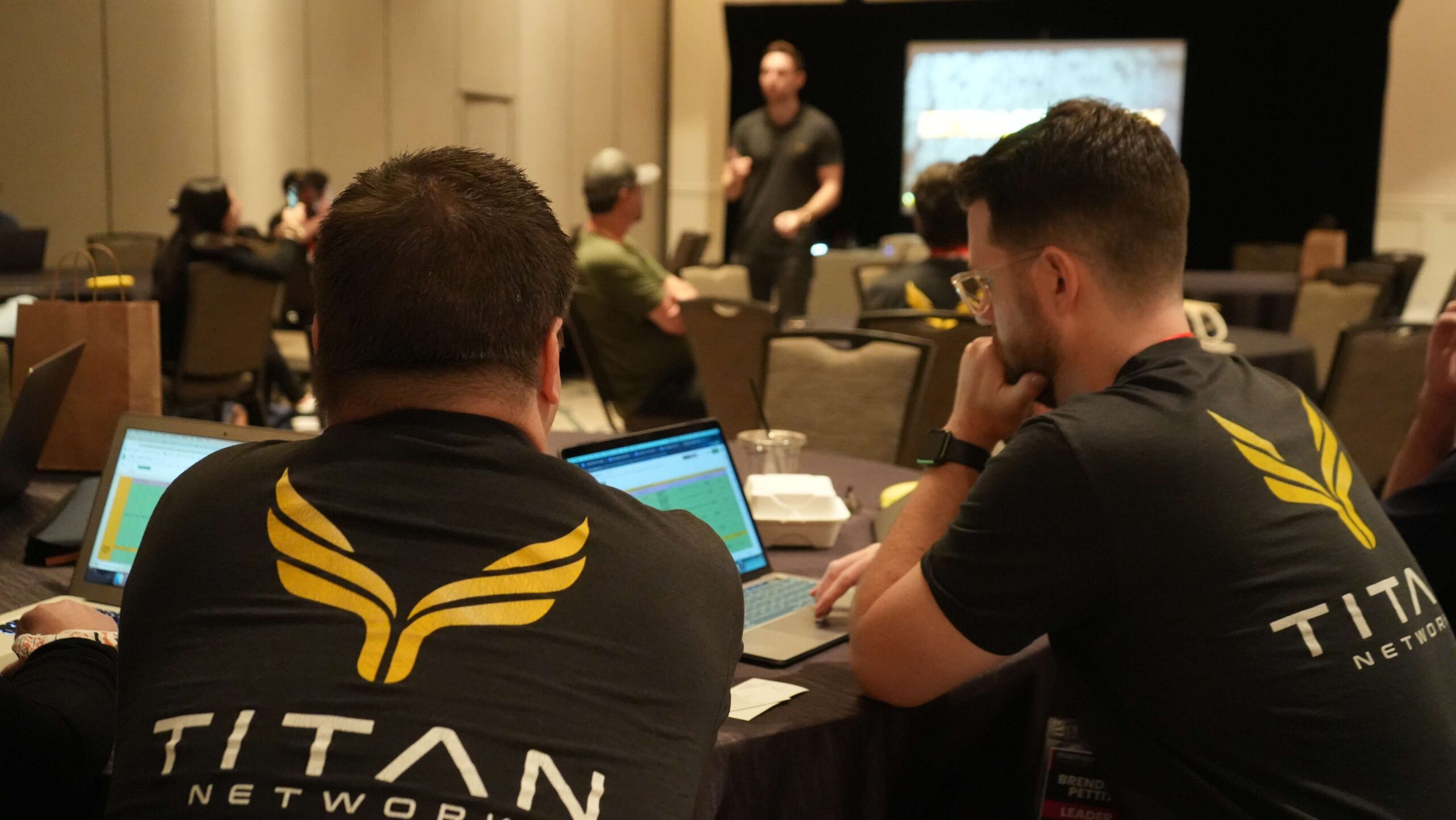
Amazon’s algorithm evolution points toward three key shifts that impact how we approach amazon choice optimization moving forward.
Trend 1: Voice Commerce Integration. Choice badges increasingly favor products optimized for voice search queries. Start incorporating conversational keywords into your titles—”best wireless earbuds for running” performs better than “wireless earbuds running sports” in voice-triggered purchases.
Trend 2: Sustainability Weighting. Climate Pledge Friendly products show 12% higher Choice badge retention rates. If your category allows eco-positioning, this creates a dual advantage for both badges and premium pricing power.
Trend 3: Cross-Channel Performance Signals. Amazon’s testing external traffic quality as a ranking factor. Sellers driving Pinterest, TikTok, or email traffic to their ASINs see improved Choice eligibility—the algorithm recognizes genuine brand demand beyond Amazon’s ecosystem.
The smartest 8-figure sellers in our network are already adapting to these shifts. They’re building full-funnel attribution systems that feed Amazon’s algorithm while reducing platform dependence. This is where individual tactics evolve into enterprise-level growth strategies that compound quarterly. For additional insights on keyword strategies, you might find this article on using Jungle Scout estimator for sales helpful.
Frequently Asked Questions
What are the key criteria Amazon’s algorithm uses to select products for the Amazon’s Choice badge?
Amazon’s Choice selection hinges on four weighted factors: customer ratings (40%), price competitiveness (30%), availability and shipping speed (20%), and keyword match relevance (10%). These weights fluctuate daily based on search volume and competitive dynamics, so maintaining excellence across all areas is critical.
How does optimizing for Amazon’s Choice impact my product’s EBITDA and overall profitability?
Optimizing for Amazon’s Choice typically drives a 15-30% lift in conversion rates without extra PPC spend, directly boosting sales velocity and EBITDA. Sellers maintaining 15-25% margins see EBITDA multipliers increase from 4x to 6x, as the badge signals trust and reduces friction in the buyer journey, improving cash flow and margin retention.
What practical steps can sellers take to qualify their ASINs for the Amazon’s Choice badge quickly and effectively?
Focus on hitting a 4.5+ star rating, keep pricing competitive with dynamic repricing tools to undercut by 1-3% while preserving 15-25% margins, ensure Prime eligibility with fast shipping, and maintain an ‘Excellent’ Inventory Performance Index by managing stock with a 14-day reorder lead time. These steps can qualify ASINs within 30 minutes of focused review and adjustment.
How does Amazon’s Choice compare to other badges like Best Sellers in terms of driving real profit and sales velocity?
Amazon’s Choice delivers more direct EBITDA impact than badges like Best Seller by boosting conversion rates through algorithmic trust signals rather than just volume. While Best Seller reflects sales velocity, Choice actively improves buyer confidence and margin retention, making it a superior lever for profit-driven sellers focused on sustainable growth.